
Hi-Klean Dental Clinic

Author name: hi-klean admin

Hi-Klean Dental Clinic in Kottayam is a leading dental care provider known for its compassionate and expert services. Led by Dr. Sijo P Mathew, the clinic has earned a reputation for prioritizing patient well-being and providing comprehensive dental care. The clinic’s team of dedicated professionals prioritizes patient comfort and satisfaction, and their state-of-the-art facilities are meticulously maintained to ensure hygiene and safety. They offer a wide range of services, from routine checkups and cleanings to advanced procedures, and their experienced dentists and dental hygienists provide individualized treatment for each patient’s specific needs. Hi-Klean Dental Clinic is committed to helping patients achieve optimal oral health through gentle care and exceptional results.

How Root Canal Treatment Prevents Tooth Loss and Preserves Oral Health 

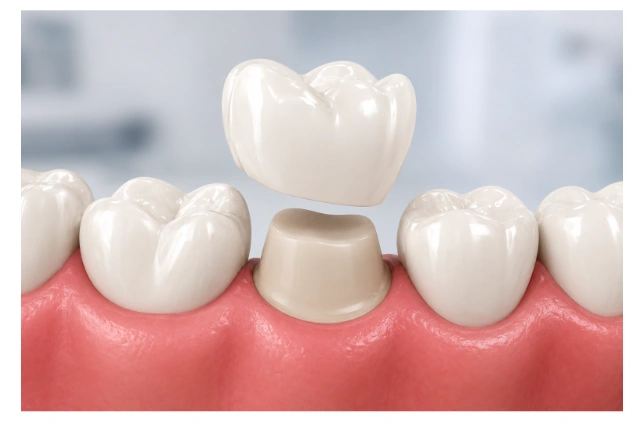
How Root Canal Treatment Prevents Tooth Loss and Preserves Oral Health Saving the natural tooth is a major goal of contemporary dentistry. If the pulp of the tooth gets infected because of deep cavities, injuries, or multiple dental procedures, urgent care is required in order to avoid further damage from an infection. Root canal treatment is a well-known method which involves removal of the infected tissue, killing the bacteria, and saving the tooth without damaging its natural structure.   To the contrary of popular belief, root canal therapy aims at relieving pain rather than creating it. Due to the development of such diagnostic tools as dental X-rays and rotary endodontics, not to mention local anesthesia, the treatment can be considered predictable and very effective. Table of Contents Understanding Root Canal Treatment Why Root Canal Treatment Becomes Necessary Common Signs That Indicate Root Canal Therapy The Root Canal Treatment Procedure How Root Canal Treatment Prevents Tooth Loss The Importance of Preserving Natural Teeth Root Canal Treatment vs Tooth Extraction Recovery and Post-Treatment Care Choosing the Right Dental Professional Conclusion Frequently Asked Questions Call to Action Understanding Root Canal Treatment The process of root canal treatment, which is also referred to as endodontic treatment, is carried out in order to deal with infections or inflammations in the dental pulp, which is the soft tissue at the center of a tooth that consists of nerves and blood vessels. In the process of treatment, the infected dental pulp is extracted from the tooth, root canals are cleaned, shaped, and filled with an inert substance.   Choosing an experienced Dentist in Kottayam ensures accurate diagnosis, appropriate treatment planning, and long-term preservation of the affected tooth. Why Root Canal Treatment Becomes Necessary The dental pulp may become infected for several reasons, including:   Deep dental caries extending into the pulp Cracked or fractured teeth Trauma to the tooth Multiple restorative procedures on the same tooth Large or failing restorations Advanced bacterial infection   If left untreated, pulp infection can progress to the surrounding tissues, resulting in dental abscesses, bone destruction, and eventual tooth loss. Common Signs That Indicate Root Canal Therapy Patients requiring root canal treatment may experience one or more of the following symptoms:   Persistent or spontaneous toothache Pain during chewing or biting Prolonged sensitivity to hot or cold temperatures Swelling of the surrounding gums Tooth discoloration Tenderness near the affected tooth Formation of a dental abscess Swelling of the face in advanced infections   It is important to note that some infected teeth may remain asymptomatic, making routine dental examinations essential for early detection. The Root Canal Treatment Procedure Root canal therapy follows a systematic clinical protocol designed to eliminate infection while preserving the tooth.   Clinical Examination and Diagnosis The dentist performs a comprehensive examination using digital radiographs and clinical testing to evaluate the extent of pulp involvement and surrounding bone health.   Local Anaesthesia Local anaesthesia is administered to ensure patient comfort throughout the procedure.   Isolation of the Tooth A rubber dam is commonly placed around the tooth to maintain a sterile treatment environment and prevent contamination.   Cleaning and Shaping the Root Canals After accessing the pulp chamber, infected tissue is removed. The canals are cleaned, disinfected, and shaped using specialised endodontic instruments.   Canal Obturation Once thoroughly disinfected, the canals are filled with a biocompatible material that seals the internal space and prevents bacterial re-entry.   Final Restoration Following successful root canal therapy, the tooth is restored with a permanent filling or crown to protect it from fracture and restore normal function.   Patients undergoing rootcanal treatment in kottayam benefit from modern endodontic techniques that improve treatment precision and clinical outcomes. How Root Canal Treatment Prevents Tooth Loss Eliminates the Source of Infection The procedure removes infected pulp tissue and significantly reduces bacterial contamination within the root canal system, preventing further spread of infection.   Preserves the Natural Tooth Rather than extracting the affected tooth, root canal therapy retains the existing tooth structure, allowing it to remain functional within the dental arch.   Maintains Jawbone Integrity Retaining a natural tooth helps preserve the surrounding alveolar bone by maintaining normal stimulation during chewing, reducing the risk of bone resorption.   Prevents Tooth Migration Tooth extraction may allow adjacent teeth to drift into the empty space, resulting in bite irregularities and alignment problems. Preserving the natural tooth helps maintain proper occlusion.   Restores Functional Efficiency Following appropriate restoration, the treated tooth continues to support effective chewing, speech, and overall oral function. The Importance of Preserving Natural Teeth Saving a natural tooth offers several long-term clinical benefits, including: Preservation of natural chewing efficiency Maintenance of facial aesthetics Support for adjacent teeth Prevention of bone loss Reduced need for prosthetic replacements Improved long-term oral health outcomes Whenever clinically feasible, preserving the natural dentition remains the preferred treatment approach. Root Canal Treatment vs Tooth Extraction Root Canal Treatment Tooth Extraction Preserves the natural tooth Removes the affected tooth Maintains chewing efficiency May require prosthetic replacement Preserves surrounding bone Bone resorption may occur Prevents shifting of adjacent teeth Adjacent teeth may drift Restores natural function Additional restorative procedures may be necessary Supports long-term oral health May increase future treatment requirements Although extraction may be necessary in certain advanced cases, root canal treatment is generally the preferred option when the tooth can be predictably restored. Recovery and Post-Treatment Care Recovery following root canal treatment is generally uncomplicated. Mild tenderness for a few days is normal and can usually be managed with prescribed medications.   Patients are advised to:   Avoid chewing hard foods until permanent restoration is completed. Maintain excellent oral hygiene. Brush and floss regularly. Attend scheduled follow-up appointments. Report persistent pain or swelling to the dentist promptly.   Long-term success depends on proper restoration and routine preventive dental care. Choosing the Right Dental Professional Successful root canal therapy requires specialised knowledge, clinical expertise, and modern equipment.   When selecting a dental practice, consider:   Experience in endodontic procedures Advanced diagnostic technology Digital

How Root Canal Treatment Prevents Tooth Loss and Preserves Oral Health  Read More »

Complete Smile Correction: Combining Cosmetic and Restorative Dentistry 

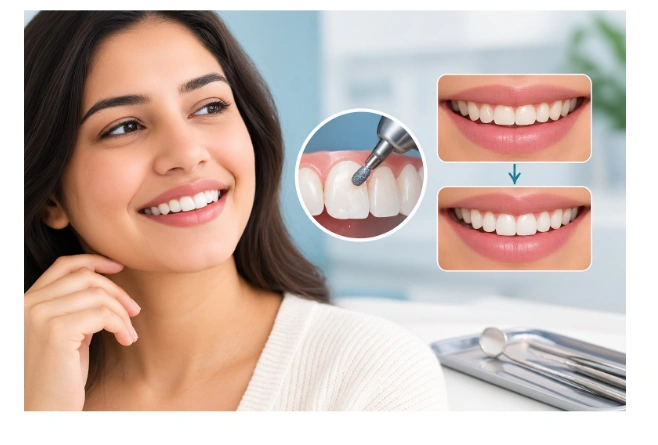
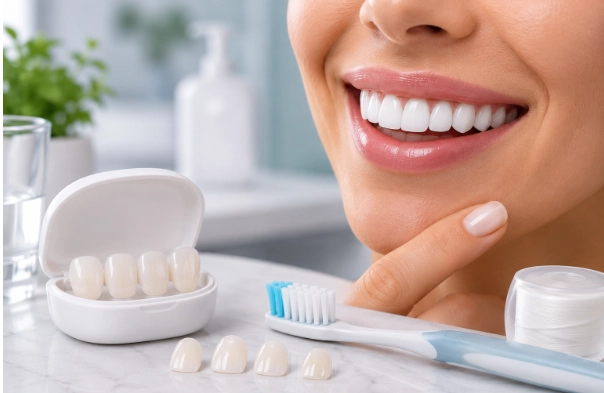
Complete Smile Correction: Combining Cosmetic and Restorative Dentistry However, a good smile does not rely purely on the look of the teeth; it must be associated with efficient functioning of the teeth, good health of the gums, and correct alignment of the oral structures. Whereas cosmetic dentistry is concerned with improving the aesthetics of a smile, restorative dentistry aims at repairing and restoring the functionality of damaged teeth as well as maintaining optimal dental health for the patient. More often than not, a combination of the two specialities works best for smile correction. Comprehensive smile correction is a personalized treatment programme that combines the treatment of aesthetic and functional dental problems. Rather than focusing on correcting a specific dental issue, it looks at the overall condition of the oral cavity, taking into account the condition of the teeth, bite, gums, missing teeth, and face symmetry. In this way, dentists can treat a patient in an overall manner, helping them regain their oral health while providing a good-looking smile. Any dental issues such as teeth wearing down, breakages, discolorations, lost teeth, or bite disorders can be successfully treated using a combination of cosmetic and restorative dentistry. Table of Contents What Is Complete Smile Correction? Understanding Cosmetic Dentistry Understanding Restorative Dentistry Why Combining Both Approaches Produces Better Results Conditions That May Require Complete Smile Correction Common Treatments Used in Comprehensive Smile Rehabilitation The Role of Cosmetic Crowns in Smile Restoration Treatment Planning and Digital Smile Analysis Benefits of Comprehensive Smile Correction Maintaining Long-Term Results Conclusion FAQ What Is Complete Smile Correction? Complete smile correction is an integrated dental treatment plan that combines restorative procedures with cosmetic enhancements to improve oral health, dental function, and smile aesthetics simultaneously.   Unlike individual cosmetic procedures, comprehensive smile correction evaluates multiple aspects of oral health, including:   Tooth strength Bite function Jaw alignment Tooth colour Tooth proportions Gum symmetry Missing teeth Overall smile balance   Patients seeking treatment at a reputable Dental Clinic in Kottayam can benefit from customised treatment plans that address both structural and aesthetic concerns rather than focusing on a single cosmetic issue. Understanding Cosmetic Dentistry Cosmetic dentistry focuses on improving the visual appearance of teeth and smiles while maintaining natural function.   Common cosmetic procedures include:   Professional teeth whitening Porcelain veneers Cosmetic bonding Gum contouring Smile design Tooth reshaping Ceramic crowns   The objective is to create harmony between the teeth, gums, lips, and facial features while preserving healthy tooth structure whenever possible. Understanding Restorative Dentistry Restorative dentistry aims to rebuild teeth that have been damaged by decay, trauma, excessive wear, or tooth loss.   Common restorative procedures include:   Dental fillings Root canal treatment Dental crowns Bridges Dental implants Inlays and onlays Full-mouth rehabilitation   The primary goal is to restore proper chewing function, structural integrity, and long-term oral health. Why Combining Both Approaches Produces Better Results Treating only cosmetic concerns without addressing underlying functional issues may compromise the longevity of treatment. Similarly, restoring damaged teeth without considering smile aesthetics may result in functional success but limited cosmetic satisfaction.   By integrating cosmetic and restorative dentistry, dentists can:   Improve bite stability Restore damaged teeth Replace missing teeth Enhance smile symmetry Achieve natural tooth proportions Improve facial support Increase treatment longevity   This comprehensive approach ensures that the smile not only looks attractive but also functions efficiently. Conditions That May Require Complete Smile Correction Comprehensive smile rehabilitation may be recommended for patients experiencing:   Worn Teeth Years of grinding, erosion, or ageing may reduce tooth height and alter the bite.   Multiple Broken or Fractured Teeth Trauma or extensive restorations may weaken teeth, requiring both structural repair and cosmetic enhancement.   Severe Tooth Discolouration Intrinsic staining may not respond adequately to whitening alone and may require veneers or crowns.   Missing Teeth Tooth loss affects chewing function, facial appearance, and bite stability.   Uneven Tooth Alignment Minor orthodontic correction may be combined with restorative procedures to achieve optimal results.   Gum Irregularities Uneven gum contours may affect smile symmetry and require periodontal cosmetic procedures. Common Treatments Used in Comprehensive Smile Rehabilitation Treatment plans vary depending on each patient’s clinical findings and aesthetic goals.   Frequently recommended procedures include:   Dental Crowns Crowns restore teeth weakened by fractures, root canal treatment, or extensive restorations while improving their appearance.   Dental Implants Implants replace missing teeth without affecting adjacent healthy teeth.   Porcelain Veneers Veneers improve tooth shape, colour, and minor alignment concerns.   Professional Teeth Whitening Whitening enhances the brightness of natural teeth before final restorative procedures.   Orthodontic Treatment Clear aligners or braces may correct alignment before restorative treatment begins.   Gum Contouring Reshaping the gums creates balanced tooth proportions and improves smile aesthetics. The Role of Cosmetic Crowns in Smile Restoration Among restorative and aesthetic procedures, cosmetic crowns play a significant role in comprehensive smile correction.   Modern ceramic and porcelain crowns are designed to:   Restore fractured teeth Strengthen weakened tooth structure Improve tooth shape Correct severe discoloration Enhance smile symmetry Restore natural chewing function   Patients considering cosmetic crown treatment in kottayam often benefit from crowns that combine excellent strength with highly natural aesthetics, allowing restored teeth to blend seamlessly with adjacent natural teeth. Treatment Planning and Digital Smile Analysis Every successful smile correction begins with careful diagnosis and treatment planning.   The evaluation typically includes:   Comprehensive oral examination Digital radiographs Intraoral photography Bite analysis Digital smile design Facial assessment Occlusal evaluation   Digital planning enables dentists to visualise the desired outcome before treatment begins, improving accuracy and patient communication. Patients seeking cosmetic crown service in kottayam frequently undergo digital smile analysis to ensure crown dimensions, colour, and alignment complement the overall facial appearance. Benefits of Comprehensive Smile Correction Combining cosmetic and restorative dentistry provides numerous long-term advantages.   Improved Oral Function Restored teeth improve chewing efficiency, speech, and bite stability.   Enhanced Smile Aesthetics Treatment creates balanced tooth proportions, improved colour, and natural facial harmony.   Greater Longevity Addressing functional concerns before cosmetic enhancements

Complete Smile Correction: Combining Cosmetic and Restorative Dentistry  Read More »

Why Compliance Matters: Wearing Aligners for the Recommended Hours 

Why Compliance Matters: Wearing Aligners for the Recommended Hours Clear aligner therapy has transformed orthodontic treatment by offering a discreet and comfortable alternative to conventional braces. Unlike fixed orthodontic appliances, clear aligners are removable, giving patients greater flexibility during meals, oral hygiene routines, and special occasions. However, this convenience also introduces a significant responsibility patient compliance. The success of aligner therapy depends not only on the quality of the aligners or the treatment plan but also on how consistently they are worn. Every aligner is designed to move teeth through a sequence of controlled, biologically guided movements. These movements occur only when gentle and continuous force is applied for the prescribed duration. Removing aligners too frequently or failing to wear them for the recommended hours interrupts this process, potentially leading to delayed treatment, poor tooth tracking, and compromised outcomes. Understanding why compliance matters can help patients achieve efficient treatment, predictable tooth movement, and long-term orthodontic stability. Table of Contents Understanding How Clear Aligners Move Teeth Why Wearing Aligners for the Recommended Hours Is Essential What Happens When Aligners Are Removed Too Often? Biological Principles Behind Tooth Movement Common Reasons for Poor Compliance Clinical Consequences of Inadequate Wear Time Practical Strategies to Improve Compliance Monitoring Progress During Treatment Maintaining Results After Treatment Conclusion Frequently Asked Questions   Understanding How Clear Aligners Move Teeth Clear aligners are custom-fabricated orthodontic appliances designed using digital treatment planning. Each aligner represents a specific stage of tooth movement and applies carefully controlled pressure to selected teeth. Unlike traditional braces, where forces are continuously active, aligners are effective only while they remain in the mouth. Every hour they are removed reduces the amount of time those corrective forces are working. Patients beginning treatment with the best dentist in kottayam typically receive a personalized wear schedule based on the complexity of their orthodontic needs and treatment objectives. Why Wearing Aligners for the Recommended Hours Is Essential Most orthodontists recommend wearing clear aligners for 20 to 22 hours per day. This allows sufficient time for the periodontal ligament and surrounding bone to respond to the controlled orthodontic forces.   Consistent wear supports: Predictable tooth movement Proper aligner fit Efficient progression through treatment stages Reduced treatment delays Improved final alignment   Even small reductions in daily wear time can accumulate over weeks and significantly influence treatment outcomes. The Biology Behind Tooth Movement Orthodontic tooth movement is a biological process rather than a mechanical one.   When an aligner applies gentle pressure:   Bone begins to remodel around the tooth. Cells called osteoclasts remove bone from one side. Osteoblasts rebuild bone on the opposite side. The tooth gradually moves into its planned position.   This biological response depends on continuous force. Frequent interruptions caused by prolonged aligner removal reduce the effectiveness of this remodeling process, slowing tooth movement. What Happens When Aligners Are Removed Too Often? One of the most common causes of delayed orthodontic treatment is inconsistent aligner wear.   Possible consequences include:   Poor Tooth Tracking Teeth may fail to move according to the digital treatment plan, causing the aligner to no longer fit accurately.   Increased Treatment Duration Missed wear time often requires extending treatment beyond the original estimate.   Additional Refinement Aligners Dentists may need to create new digital scans and fabricate extra aligners to correct incomplete tooth movements.   Increased Orthodontic Costs Additional refinement stages may increase treatment complexity and associated costs.   Reduced Treatment Predictability The final smile may not achieve the originally planned alignment without corrective intervention. Patients undergoing clear aligner treatment are routinely monitored to ensure tooth movement remains consistent with the digital treatment plan. Why Compliance Is More Important Than Many Patients Realize Unlike fixed braces, clear aligners depend entirely on patient participation.   Treatment success is influenced by:   Daily wear duration Timely aligner changes Proper insertion and removal Good oral hygiene Attendance at review appointments   The aligners themselves cannot compensate for inconsistent wear. Patient commitment remains one of the most significant predictors of successful treatment. Common Reasons Patients Do Not Wear Aligners Enough Several lifestyle factors contribute to reduced compliance.   Forgetting to Replace Aligners Patients sometimes leave aligners out after meals or brushing.   Frequent Snacking Repeated eating throughout the day increases the amount of time aligners remain out of the mouth.   Social Events Some patients remove aligners during meetings, celebrations, or photographs and forget to replace them promptly.   Speech Adjustment Concerns Although most patients adapt quickly, initial speech changes may lead some individuals to remove aligners unnecessarily.   Travel and Busy Schedules Changes in daily routine can disrupt consistent wear habits.   Recognizing these challenges early allows patients to develop better routines that support treatment success. Strategies to Improve Aligner Compliance Maintaining the recommended wear time becomes easier with simple daily habits.   Establish a Routine Replace aligners immediately after eating and brushing.   Use Digital Reminders Mobile reminders or dedicated orthodontic apps help track wear time.   Carry a Protective Case Always store aligners safely when removed to reduce the risk of loss or damage.   Minimize Unnecessary Removal Only remove aligners for eating, drinking beverages other than water, brushing, and flossing.   Follow the Prescribed Schedule Do not advance to the next aligner earlier or later than instructed without professional advice.   Patients receiving clear aligner in kottayam are often provided with detailed instructions to help maintain consistent compliance throughout treatment. Monitoring Treatment Progress Regular orthodontic reviews allow the dentist to evaluate whether teeth are moving as planned.   During follow-up visits, the dentist assesses:   Aligner fit Tooth tracking Oral hygiene Attachment stability Bite changes Patient compliance   If movement is progressing appropriately, patients continue with the planned sequence of aligners. If discrepancies develop, treatment adjustments may be recommended before significant delays occur. The Role of Invisible Braces in Modern Orthodontics Clear aligners have become an increasingly popular orthodontic solution because they combine aesthetics with clinical effectiveness. However, their removable design requires greater patient responsibility than fixed appliances.   Patients choosing

Why Compliance Matters: Wearing Aligners for the Recommended Hours  Read More »

Why Cosmetic Dentistry Is Becoming More Popular Today

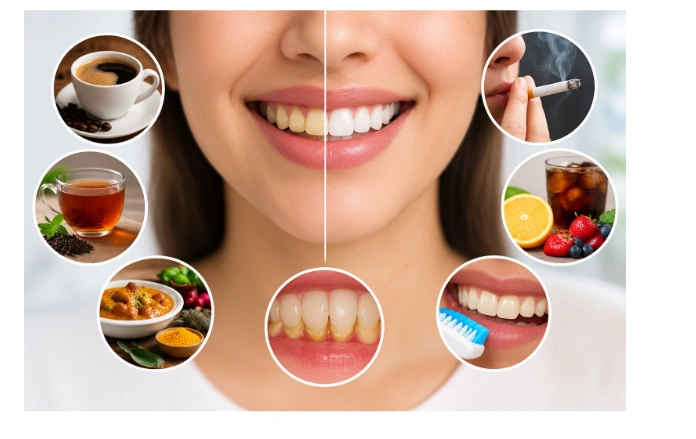
Why Cosmetic Dentistry Is Becoming More Popular Today A confident smile can make an indelible impression in both your personal and professional life. Today, there have been great improvements in cosmetic dentistry in the past couple of years due to a number of factors that are causing people to seek out aesthetic procedures that would improve their smile. There are many reasons for that and one of them is the advanced level of technology being used today in cosmetic dentistry, together with the greater awareness among people  regarding aesthetic procedures and the growing role that social media plays. The types of cosmetic dental procedures available today are numerous; some of them address problems such as discolored, chipped, misaligned, and even gapped teeth. In this blog, we’ll explore what’s behind the popularity of cosmetic dentistry and its benefits. Table of Contents What Is Cosmetic Dentistry? Why Cosmetic Dentistry Is Growing in Popularity Common Cosmetic Dental Procedures Benefits of Cosmetic Dentistry The Role of Modern Technology in Cosmetic Dentistry Who Can Benefit from Cosmetic Dentistry? Choosing the Right Cosmetic Dental Treatment Maintaining Results After Treatment Conclusion FAQ What Is Cosmetic Dentistry? Cosmetic dentistry is concerned with the improvement of one’s smile, teeth, and gums. Although aesthetic issues are often addressed through cosmetic procedures, such procedures may help restore function and improve oral health. Aesthetic concerns that can be addressed by cosmetic dentistry include: Whitening stained teeth Repairing worn or cracked teeth Repositioning crooked teeth Closely aligning misaligned teeth Enhancing tooth form and size Ensuring a balanced and beautiful smile The current generation of cosmetic procedures is both natural and long-lasting. Why Cosmetic Dentistry Is Growing in Popularity Increased Focus on Appearance In the modern era, everyone tends to pay attention to their appearance because of society and workplaces where a good smile is considered a sign of confidence, good health, and success. Due to this reason, a number of people opt for cosmetic dentistry procedures. Influence of Social Media With the development of social media websites, more people have become conscious about the beauty of smiles. Posting pictures, conducting video conversations, and communicating on social sites have motivated numerous individuals to enhance their smile appearances. Advances in Dental Technology Modern dentistry has transformed cosmetic procedures through advanced materials and techniques. Innovations such as: Digital smile designing Intraoral scanning Laser dentistry High-quality ceramic restorations Computer-aided treatment planning have made treatments more predictable, efficient, and aesthetically pleasing. Greater Accessibility Cosmetic dentistry is no longer viewed as a luxury available only to celebrities. Improved affordability and flexible treatment options have made cosmetic procedures accessible to a wider range of patients. An experienced Dentist in Kottayam can help patients explore customized treatment options that fit their needs and budget. Common Cosmetic Dental Procedures Teeth Whitening – This is one of the most common cosmetic procedures used in getting rid of stains on teeth. Dental Veneers – These are thin shells that are attached to the front of teeth for aesthetic purposes. Dental Bonding – Dental bonding is done to repair chips and small fractures. Orthodontic Procedures – Braces are used to straighten teeth. Smile Makeover – This includes a number of cosmetic dental procedures applied at once. Cosmetic Crowns – Patients considering cosmetic crown treatment in kottayam often choose crowns to restore damaged teeth while enhancing the appearance of their smile. Benefits of Cosmetic Dentistry Enhanced Self-Confidence Smiling is a great way to increase self-confidence and make social interactions easier. Most patients find themselves feeling much more at ease talking and socializing. Improved Appearance Cosmetic dentistry can solve a wide range of problems, such as: Staining Alignment issues Chips Spaces between teeth Wear This will help achieve a more youthful look. Improved Functionality Some cosmetic dental treatments are functional too. For example: Crowns strengthen weakened teeth. Orthodontics improves bite alignment. Restorative procedures enhance chewing efficiency. Long-Lasting Results Today’s cosmetic materials are incredibly resilient and capable of withstanding the rigors of everyday use. Proper care will allow many cosmetic procedures to have lasting effects for years to come. Individualized Treatment Plans Cosmetic dentistry provides individually tailored treatment plans that take into account each patient’s preferences and dental needs. Patients seeking cosmetic crown service in kottayam often receive individualized restorations designed to blend seamlessly with their natural teeth. The Role of Modern Technology in Cosmetic Dentistry Technology has significantly improved treatment outcomes and patient experiences. Digital Smile Design – Allows dentists to preview potential results before treatment begins. Advanced Imaging – Provides detailed views of teeth and surrounding structures. Improved Materials – Modern ceramics and composite materials closely mimic natural tooth appearance. Minimally Invasive Procedures – Many cosmetic treatments preserve more natural tooth structure while delivering excellent results. These innovations contribute to greater patient satisfaction and more predictable outcomes. Who Can Benefit from Cosmetic Dentistry? The following list includes several issues for which cosmetic dentistry might be beneficial to patients: Color of the teeth Shape of the teeth Size of the teeth Alignment of the teeth Symmetry of the smile Missing or damaged teeth Those considering cosmetic crown in kottayam may benefit from treatment when teeth are damaged, discolored, worn, or aesthetically compromised. Choosing the Right Cosmetic Dental Treatment Selecting the right procedure depends on several factors: Treatment Goals Identify the specific concerns you would like to address. Oral Health Status Any underlying dental issues should be treated before cosmetic procedures. Budget Considerations Different treatments vary in complexity and cost. Expected Results Discuss realistic expectations with your dental professional. A personalized consultation helps ensure optimal outcomes. Maintaining Results After Treatment To preserve your cosmetic dental results: Brush twice daily Floss regularly Attend routine dental checkups Avoid tobacco products Limit stain-causing foods and beverages Wear a night guard if recommended Good oral hygiene plays a key role in maintaining a healthy and attractive smile. Conclusion The rise in popularity of cosmetic dentistry can be attributed to the importance people give to self-confidence, appearance, and oral care. The development of dental science has led to the provision of more

Why Cosmetic Dentistry Is Becoming More Popular Today Read More »

The Importance of Baby Teeth: Why They Matter More Than You Think

The Importance of Baby Teeth: Why They Matter More Than You Think Parents often believe that baby teeth are not that significant considering the fact that the teeth fall out eventually. This assumption is wrong since baby teeth play an important role in a child’s development and overall oral health. Baby teeth ensure comfortable eating and clear speech while providing guidance for permanent teeth positioning. Failure to take care of baby teeth may cause problems with a child’s teeth and result in poor dental hygiene in the long term. Knowing the significance of primary teeth will enable parents to prevent issues related to oral hygiene from childhood on. In this blog post, we will discuss baby teeth significance and their role in the process of a child’s development. Table of Contents What Are Baby Teeth? Why Are Baby Teeth Important? The Role of Baby Teeth in Child Development Common Problems Affecting Baby Teeth What Happens If Baby Teeth Are Lost Too Early? How to Keep Baby Teeth Healthy When Should Children First Visit a Dentist? The Importance of Regular Dental Checkups Conclusion FAQ What Are Baby Teeth? Primary teeth, more commonly referred to as baby teeth or milk teeth, are the first teeth that children have. Children usually start developing their teeth when they reach the age of six months, and at three years old, they have 20 teeth.  Despite the fact that baby teeth fall out as time progresses, they play several important roles throughout childhood. Why Are Baby Teeth Important? The baby teeth do not just help the child chew his or her food but do much more than that. Support Good Nutrition – When a child has good baby teeth, he can chew his food well, making sure that his digestive system works properly and he gets good nutrition from the food he eats. Helps in the Development of Speech – There are some sounds that can only be formed if the teeth are placed in the right place. The baby teeth help the child to learn how to speak. Space Maintainers for Adult Teeth – The biggest job that baby teeth have to do is maintaining space for the adult teeth. This helps the permanent teeth to take their rightful places. Help in the Development of the Jaw Bones – Baby teeth support the growth and alignment of the jaw, contributing to proper facial development. The Role of Baby Teeth in Child Development Proper Chewing Function Children rely on baby teeth to eat a balanced diet that supports growth and development. Confidence and Social Interaction A healthy smile can positively affect a child’s confidence and willingness to interact socially. Facial Structure Support Baby teeth help maintain the natural shape of the face and support normal jaw development. Preparation for Permanent Teeth Primary teeth act as placeholders, ensuring that permanent teeth have enough room to erupt correctly. Parents who consult a pediatric dentist in kottayam can receive valuable guidance on protecting these important early teeth. Common Problems Affecting Baby Teeth Tooth Decay – Cavities are the most prevalent oral problems experienced by children. Cavities can form on even baby teeth due to lack of oral hygiene practices.’ Early Childhood Caries – Consumption of sugary beverages and bad oral hygiene may cause tooth decay in toddlers. Dental Injury – Falls and accidents may harm the baby’s teeth. Gum Diseases – Lack of oral hygiene may cause inflamed gums. Regular monitoring through pediatric dentistry in kottayam services can help identify and address these issues early. What Happens If Baby Teeth Are Lost Too Early? There are various problems associated with premature loss of baby teeth. Misalignment of Permanent Teeth – The loss of a baby tooth at an early stage leads to movement of the adjacent teeth into the space created by the missing tooth. Trouble in Eating – Premature loss of teeth causes difficulty in eating. Speech Problems – Early loss of teeth causes problems in speech. Orthodontic Needs – Incorrect spacing increases the chances of future orthodontic needs. How to Keep Baby Teeth Healthy Start Oral Care Early Even before teeth appear, gently clean your baby’s gums with a soft, damp cloth. Brush Twice Daily Use a child-sized toothbrush and fluoride toothpaste as recommended by your dentist. Limit Sugary Foods and Drinks Reducing sugar intake helps lower the risk of cavities. Encourage Healthy Eating Habits A balanced diet supports strong teeth and healthy gums. Avoid Prolonged Bottle Use Extended exposure to milk or juice during sleep can contribute to tooth decay. Schedule Regular Dental Visits Routine dental checkups help detect problems early and support preventive care. An experienced Dentist in Kottayam can provide personalized recommendations for maintaining your child’s oral health. When Should Children First Visit a Dentist? The American Academy of Pediatric Dentistry recommends that children have their first dental visit by their first birthday or within six months after the first tooth appears. Early dental visits help: Monitor oral development Detect potential problems Educate parents about oral care Establish positive dental experiences Early intervention can significantly reduce the risk of future dental complications. The Importance of Regular Dental Checkups Routine dental visits are essential for maintaining healthy baby teeth. Benefits include: Early Detection of Dental Problems Regular examinations allow dentists to identify cavities and developmental concerns before they become serious. Preventive Treatments Fluoride applications and other preventive measures help protect teeth from decay. Oral Hygiene Guidance Parents receive expert advice on brushing, diet, and preventive care. Building Positive Dental Habits Early dental visits help children become comfortable with dental care and reduce future anxiety. Families seeking support through pediatric dentistry service in kottayam can benefit from ongoing preventive care and age-appropriate dental guidance. Conclusion Primary teeth have a lot more significance than many people understand. Primary teeth help us chew food, communicate, form our facial structure, and even ensure that permanent teeth erupt in the correct way. Taking care of primary teeth by maintaining proper oral care, nutrition, and dental visits is something that

The Importance of Baby Teeth: Why They Matter More Than You Think Read More »

Scroll to Top