Hi-Klean Dental Clinic

Pediatric dentistry

The Importance of Baby Teeth: Why They Matter More Than You Think

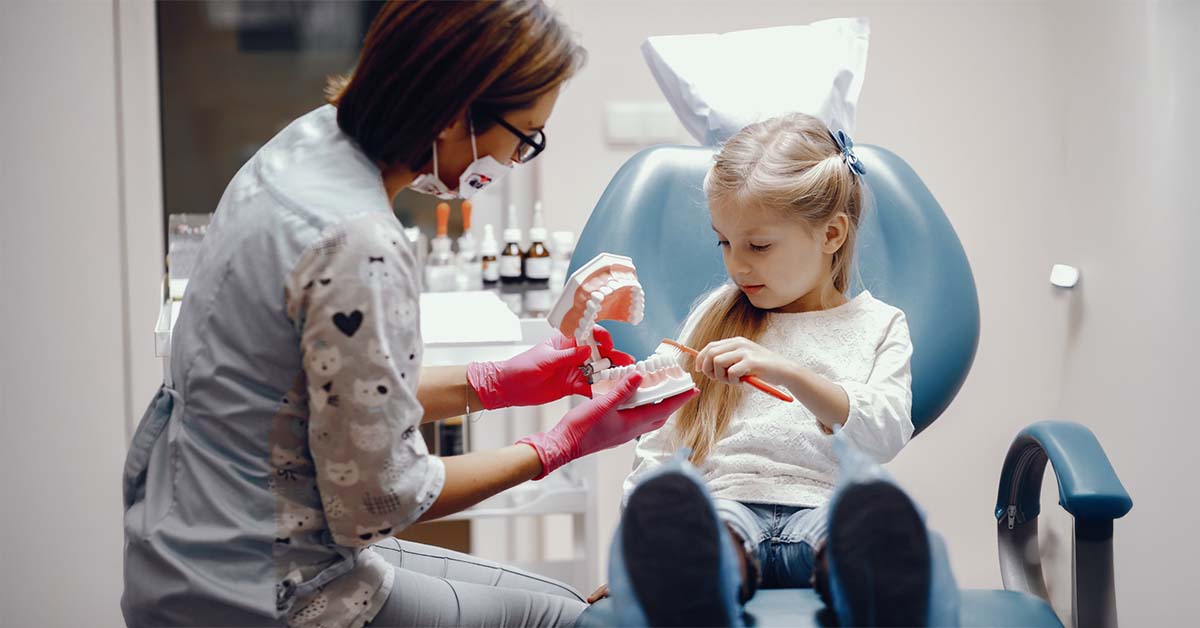
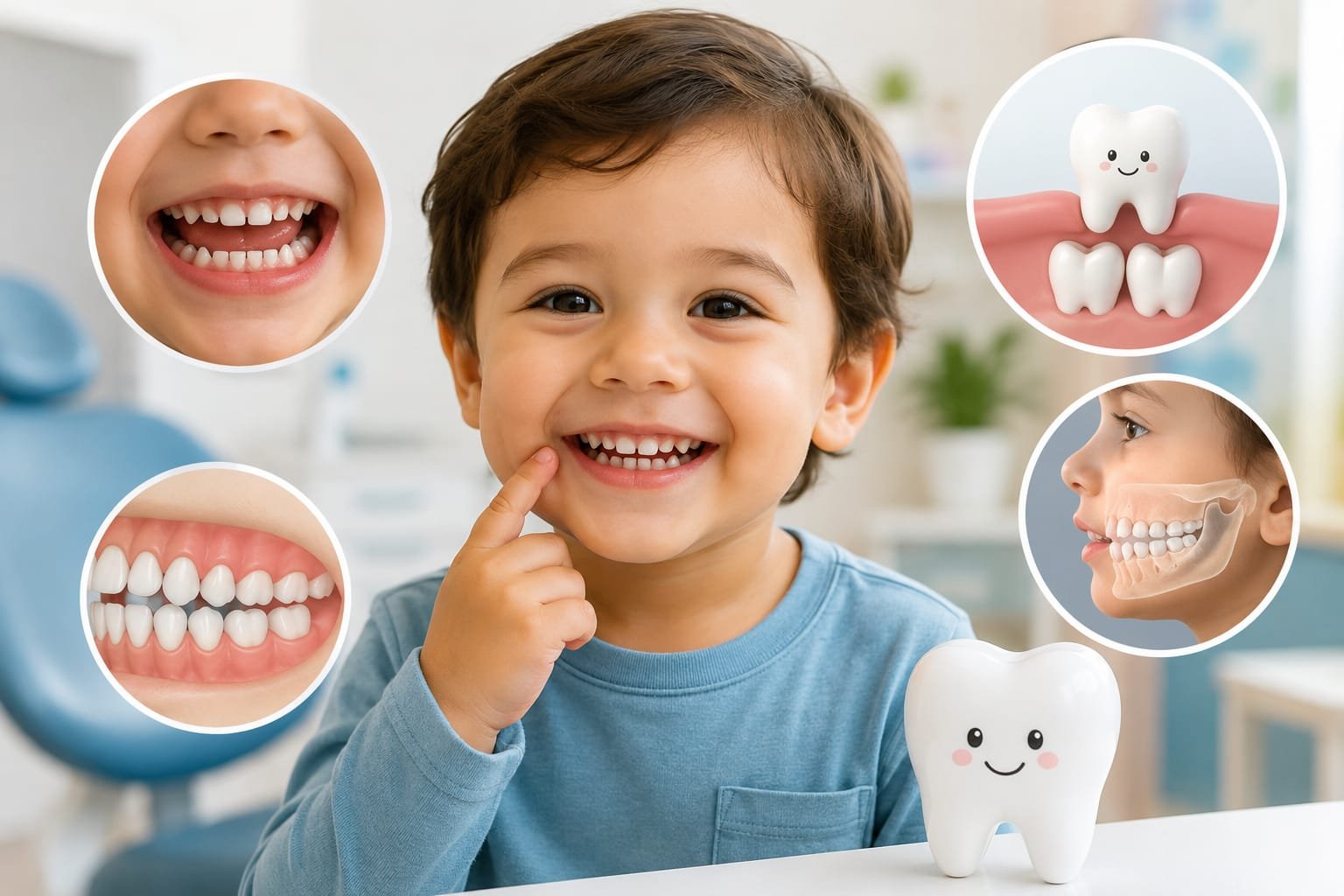
The Importance of Baby Teeth: Why They Matter More Than You Think Parents often believe that baby teeth are not that significant considering the fact that the teeth fall out eventually. This assumption is wrong since baby teeth play an important role in a child’s development and overall oral health. Baby teeth ensure comfortable eating and clear speech while providing guidance for permanent teeth positioning. Failure to take care of baby teeth may cause problems with a child’s teeth and result in poor dental hygiene in the long term. Knowing the significance of primary teeth will enable parents to prevent issues related to oral hygiene from childhood on. In this blog post, we will discuss baby teeth significance and their role in the process of a child’s development. Table of Contents What Are Baby Teeth? Why Are Baby Teeth Important? The Role of Baby Teeth in Child Development Common Problems Affecting Baby Teeth What Happens If Baby Teeth Are Lost Too Early? How to Keep Baby Teeth Healthy When Should Children First Visit a Dentist? The Importance of Regular Dental Checkups Conclusion FAQ What Are Baby Teeth? Primary teeth, more commonly referred to as baby teeth or milk teeth, are the first teeth that children have. Children usually start developing their teeth when they reach the age of six months, and at three years old, they have 20 teeth.  Despite the fact that baby teeth fall out as time progresses, they play several important roles throughout childhood. Why Are Baby Teeth Important? The baby teeth do not just help the child chew his or her food but do much more than that. Support Good Nutrition – When a child has good baby teeth, he can chew his food well, making sure that his digestive system works properly and he gets good nutrition from the food he eats. Helps in the Development of Speech – There are some sounds that can only be formed if the teeth are placed in the right place. The baby teeth help the child to learn how to speak. Space Maintainers for Adult Teeth – The biggest job that baby teeth have to do is maintaining space for the adult teeth. This helps the permanent teeth to take their rightful places. Help in the Development of the Jaw Bones – Baby teeth support the growth and alignment of the jaw, contributing to proper facial development. The Role of Baby Teeth in Child Development Proper Chewing Function Children rely on baby teeth to eat a balanced diet that supports growth and development. Confidence and Social Interaction A healthy smile can positively affect a child’s confidence and willingness to interact socially. Facial Structure Support Baby teeth help maintain the natural shape of the face and support normal jaw development. Preparation for Permanent Teeth Primary teeth act as placeholders, ensuring that permanent teeth have enough room to erupt correctly. Parents who consult a pediatric dentist in kottayam can receive valuable guidance on protecting these important early teeth. Common Problems Affecting Baby Teeth Tooth Decay – Cavities are the most prevalent oral problems experienced by children. Cavities can form on even baby teeth due to lack of oral hygiene practices.’ Early Childhood Caries – Consumption of sugary beverages and bad oral hygiene may cause tooth decay in toddlers. Dental Injury – Falls and accidents may harm the baby’s teeth. Gum Diseases – Lack of oral hygiene may cause inflamed gums. Regular monitoring through pediatric dentistry in kottayam services can help identify and address these issues early. What Happens If Baby Teeth Are Lost Too Early? There are various problems associated with premature loss of baby teeth. Misalignment of Permanent Teeth – The loss of a baby tooth at an early stage leads to movement of the adjacent teeth into the space created by the missing tooth. Trouble in Eating – Premature loss of teeth causes difficulty in eating. Speech Problems – Early loss of teeth causes problems in speech. Orthodontic Needs – Incorrect spacing increases the chances of future orthodontic needs. How to Keep Baby Teeth Healthy Start Oral Care Early Even before teeth appear, gently clean your baby’s gums with a soft, damp cloth. Brush Twice Daily Use a child-sized toothbrush and fluoride toothpaste as recommended by your dentist. Limit Sugary Foods and Drinks Reducing sugar intake helps lower the risk of cavities. Encourage Healthy Eating Habits A balanced diet supports strong teeth and healthy gums. Avoid Prolonged Bottle Use Extended exposure to milk or juice during sleep can contribute to tooth decay. Schedule Regular Dental Visits Routine dental checkups help detect problems early and support preventive care. An experienced Dentist in Kottayam can provide personalized recommendations for maintaining your child’s oral health. When Should Children First Visit a Dentist? The American Academy of Pediatric Dentistry recommends that children have their first dental visit by their first birthday or within six months after the first tooth appears. Early dental visits help: Monitor oral development Detect potential problems Educate parents about oral care Establish positive dental experiences Early intervention can significantly reduce the risk of future dental complications. The Importance of Regular Dental Checkups Routine dental visits are essential for maintaining healthy baby teeth. Benefits include: Early Detection of Dental Problems Regular examinations allow dentists to identify cavities and developmental concerns before they become serious. Preventive Treatments Fluoride applications and other preventive measures help protect teeth from decay. Oral Hygiene Guidance Parents receive expert advice on brushing, diet, and preventive care. Building Positive Dental Habits Early dental visits help children become comfortable with dental care and reduce future anxiety. Families seeking support through pediatric dentistry service in kottayam can benefit from ongoing preventive care and age-appropriate dental guidance. Conclusion Primary teeth have a lot more significance than many people understand. Primary teeth help us chew food, communicate, form our facial structure, and even ensure that permanent teeth erupt in the correct way. Taking care of primary teeth by maintaining proper oral care, nutrition, and dental visits is something that

The Importance of Baby Teeth: Why They Matter More Than You Think Read More »

"Top Ways Pediatric Dentists Keep Your Child’s Smile Healthy"

Top Ways Pediatric Dentists Keep Your Child’s Smile Healthy

Top Ways Pediatric Dentists Keep Your Child’s Smile Healthy Introduction Your child’s smile is one of their most precious assets, and maintaining it starts long before they lose their first tooth. Pediatric dentists are professionals who specialize in children’s dental care, utilizing their experience and child-friendly techniques in a friendly environment to keep your child’s teeth and gums healthy. Annual dental visits will help prevent future dental problems and teach your child important oral hygiene habits for a lifetime. In this article, we will explain how pediatric dentists work to keep your child’s smile bright and healthy. Table of contents Early Dental Visits Preventive Care Education on Oral Hygiene Treatment for Dental Problems Creating a Positive Dental Experience CTA Button Conclusion FAQs Early Dental Visits Pediatric dentists advise that as soon as your child’s first tooth erupts-depending on the child, usually around 6 months of age-you should take your child to the dentist, or at least by the time of the child’s first birthday. Getting to the dentist early allows your dentist to:  Identify possible problems with your child’s teeth before they become a problem.  Educate you and your child on teething, pacifiers, and thumb-sucking.  Set a foundation for regular dental care Preventive Care It is always better to avert any problems than to treat them afterward. Best pediatric dentists in Kottayam are careful in taking preventive measures such as:  Fluoride Treatments: Protects enamel and reduces the incidence of cavities.  Dental Sealants: Protective coats on molars to prevent cavities in difficult areas to reach.  Regular Cleanings: to remove plaque and tartar that could potentially cause decay or gum disease. Education on Oral Hygiene Pediatric dental professionals educate kids and parents on the need for effective oral hygiene. They include: The proper methodology for brushing and flossing. Picking the right toothbrush and toothpaste. Dental friendly dietary habits that limit sugar intake for cavity prevention. Treatment for Dental Problems Even with excellent preventive care, dental problems may occur. Pediatric dentistry provides: Cavity Fillings: Using child-friendly methods to restore decayed teeth. Orthodontic Evaluations: Early assessments for alignment concerns.  Emergency Care: Prompt care for dental trauma or toothache. Creating a Positive Dental Experience A child’s visit to the dentist may influence their feelings about oral care for the rest of their lives. Pediatric dentists make sure: A welcoming friendly environment. Gentle techniques to help alleviate anxiety and fear. Give fun and engaging ways to make the visits enjoyable. Conclusion Pediatric dentists at dental clinics in Kottayam play a crucial role in safeguarding your child’s dental health. From early check ups, prevention, and dental health education, dental specialists guarantee the children will gladly and confidently grow up with clean, healthy teeth and lifelong positive attitude toward oral hygiene habits. Regular dental checkups not only ensure dental health problems are prevented, but also provide a platform for your child for a lifetime of happy smiles.  Give Your Child the Gift of a Healthy Smile! Contact us today Frequently Asked Questions 1. How often should my child visit the pediatric dentist? Most pediatric dentists suggest visits every 6 months. But depending on the oral health of your child, you might need to take him/her to the dentist more often. 2. Are pediatric dental treatments painful? Pediatric dentists always work in a gentle manner and more often than not they use local anesthesia or even sedation if it is necessary. Their main concern is to keep the patient as comfortable as possible and to make the whole procedure a non-stressful one. 3. At what age should my child start brushing and flossing? Brushing should start with the first tooth, which usually comes out around six months. With flossing, you can start it when two teeth are already touching, which is generally around the age of 2–3 years.

Top Ways Pediatric Dentists Keep Your Child’s Smile Healthy Read More »

Scroll to Top