Hi-Klean Dental Clinic

Dental Implants

Dental Implant Recovery: Week-by-Week Guide

Dental Implant Recovery: Week-by-Week Guide The whole process of getting dental implants may seem daunting for some patients, but in truth, many find that recovery concerns outweigh their fears about the procedure. This is completely normal and should be expected. Knowing everything about the entire process will help you prepare for what’s ahead. The majority of people recover within a few weeks after their procedure, although the implant still heals within the jaw bone over a period of months. What occurs externally is fast while internal healing proceeds slowly. People seeking the services of a Dentist in Kottayam will discover just how easy recovery is once they follow all the correct procedures. Table of Contents What Happens After Dental Implant Placement The First 24 Hours of Recovery Week 1 Recovery Process Weeks 2-4 Healing Progress Weeks 5-12 Bone Healing and Recovery Months 3-6 Final Healing Stage Foods to Eat During Recovery Tips for Faster Implant Healing Long-Term Implant Care Conclusion FAQs What Happens After Dental Implant Placement Recovery process will begin right from the moment you insert the implant into your jaw bone. Your body will automatically start the process of healing by forming new tissues and bones around the implant site. Recovery is crucial since it will be responsible for ensuring the formation of the solid base for your future teeth. Every person has different recovery periods according to their general state of health, conditions of bones, oral hygiene, and need for any other treatment like bone grafting. If you opt for Dental Implants in Kottayam, you can expect to recover quickly and be ready to resume your normal activities without problems. The First 24 Hours of Recovery The first day after treatment is mainly focused on rest and controlling swelling. Mild bleeding, tenderness, and facial puffiness are completely normal during this phase. Common Symptoms During the First Day Patients may experience: Mild discomfort around the implant area Slight bleeding or oozing Swelling near the cheeks or gums Minor bruising Temporary numbness from anesthesia Most symptoms remain mild and improve steadily within the next few days. Managing Discomfort Applying cold compresses or ice to the face from the outside can assist in reducing swelling. It is normally recommended that patients should take adequate rest for a minimum of 24 hours after the procedure. Any pain medication prescribed by the dentist must be strictly followed. Managing the pain in the first day usually makes it much easier to recover from the procedure. Important Recovery Instructions During the first 24 hours, patients should avoid: Smoking Alcohol Hot foods or drinks Drinking through straws Touching the surgical site These precautions help protect the blood clot and support proper healing. Week 1 Recovery Process The first week is the most sensitive phase of implant recovery. Swelling and soreness are usually most noticeable during this period before gradually improving. Swelling and Healing The swelling normally reaches its peak on the third day and will start to subside naturally. Patients may also find themselves experiencing some mild bruising along the cheekbones and jaw lines, which will subside over time. At this point, the gums will start to heal around the implant site. Eating During Week 1 Soft foods are strongly recommended during the first week because they place minimal pressure on the healing site. Recommended foods include: Yogurt Oatmeal Mashed potatoes Soft rice dishes Smoothies Scrambled eggs Pasta Hard, crunchy, sticky, and spicy foods should be avoided because they can irritate the healing tissues. Patients receiving dental implants treatment in kottayam are commonly advised to chew on the opposite side of the mouth whenever possible during the first several days. Oral Hygiene During Recovery Maintaining oral hygiene is crucial during implantation. Most patients are advised to use soft-bristled toothbrushes when cleaning their mouth. Salt water rinses can also contribute to cleanliness and reduction of bacterial growth around the site of implantation. Weeks 2-4 Healing Progress Most patients notice significant improvement during weeks two through four. Swelling reduces considerably, tenderness decreases, and daily routines become easier. Gum Tissue Healing By this stage, the gums usually appear healthier and less inflamed. Any stitches placed during treatment may dissolve naturally or be removed during a follow-up visit. Speaking and chewing also become more comfortable as healing continues. Returning to Normal Activities Most people can resume work, exercise, and normal activities within this stage unless otherwise advised by their dentist. However, patients should still avoid placing excessive pressure directly on the implant area while the deeper healing process continues. Follow-Up Visits Regular follow-up appointments allow the dentist to monitor recovery progress and ensure the implant remains stable. Patients seeking Dental implants service in Kottayam are often scheduled for periodic evaluations to confirm healthy gum healing and proper bone integration. Weeks 5-12 Bone Healing and Recovery Although the gums may look fully healed externally, important healing still continues inside the jawbone during this phase. Understanding Osseointegration Osseointegration is the process where the jawbone gradually bonds with the titanium implant. This stage is essential for creating long-term implant stability. The process usually takes several months and happens quietly beneath the gum tissue. Most patients experience little or no discomfort during this stage. Daily Life During This Stage By this point, patients usually feel completely normal and can comfortably return to regular lifestyles. Eating becomes easier, though extremely hard foods should still be approached carefully. Maintaining proper oral hygiene remains extremely important because bacterial buildup can interfere with healing around the implant. Signs of Healthy Recovery Positive recovery signs include: Reduced swelling Healthy pink gum tissue No pain while chewing Stable implant position Comfortable speaking and eating Any unusual pain, swelling, or looseness should be reported to the dentist immediately. Months 3-6 Final Healing Stage The final stage of recovery focuses on completing bone integration and preparing for the permanent crown placement. Stability of the Implant At this stage, the dental implant would have already fused successfully to the bone of the jaw. The implant would have become stable and will

Dental Implant Recovery: Week-by-Week Guide Read More »

Dental Implants: A Comprehensive, Structured Approach to Tooth Replacement

Dental Implants: A Comprehensive, Structured Approach to Tooth Replacement Dental implants have redefined the way missing teeth are replaced by focusing on restoring both function and structure rather than just appearance. Unlike traditional methods that depend on neighbouring teeth for support, implants are designed to work independently by integrating directly with the jawbone. This approach ensures stability, preserves surrounding teeth, and supports long-term oral health. By replacing the root as well as the visible portion of the tooth, implant dentistry offers a solution that closely resembles natural teeth in both performance and feel. Consulting a qualified Dentist in Kottayam ensures reliable treatment for restoring missing teeth with long-term stability and function  Hi-klean provides this with precision-driven care and advanced implant solutions. Table of Contents Concept of Implant-Based Tooth Replacement Structural Composition and Material Implant-Supported Restorative Options Full Mouth Rehabilitation with Implants Treatment Phases and Healing Process Functional Integration and Bone Preservation Long-Term Performance and Maintenance Conclusion FAQs Concept of Implant-Based Tooth Replacement A dental implant is a replacement for a missing tooth; however, there is much more to it than that. It replaces the tooth root, which is crucial for keeping the jaw healthy and providing proper function. When dealing with bridges in regular treatments, the two adjacent teeth have to be shaved to provide space for artificial crowns, whereas dental implants do not require any adjacent tooth to be shaved. This allows each tooth to function independently without affecting other teeth. It is important to highlight that this method provides excellent results when it comes to ensuring that your teeth remain straight and do not experience any additional pressure from neighbouring teeth. Structural Composition and Material The design of a dental implant is based on precision and compatibility with the human body. The implant itself is typically made of titanium, a material known for its strength and biocompatibility. Once placed in the jawbone, it gradually bonds with the bone through a natural biological process, creating a stable foundation. This integration allows the implant to support a prosthetic tooth such as a crown or bridge. The visible part of the restoration is carefully designed to match the shape, size, and colour of natural teeth, ensuring a seamless appearance. The combination of structural strength and aesthetic adaptability makes implants a reliable option for long-term tooth replacement. Implant-Supported Restorative Options Dental implants can be customized according to the amount of tooth loss, offering a flexible dental solution. If only one tooth is missing, only one dental implant can be installed, which supports a single crown that will replace the missing tooth, without having to affect neighboring teeth. If there is more than one tooth missing, implants can serve as supporting structures for bridgeworks. In cases where a patient has lost all of his or her teeth, dental implants can be used to stabilize dentures, offering a more permanent solution than traditional dentures. The use of dental implants offers flexibility when it comes to accommodating a variety of conditions, while still delivering consistent results. Full Mouth Rehabilitation with Implants When all the teeth are missing from the oral cavity, the implant system provides a systematic approach to restoring an individual’s entire set of teeth. An implant system offers a fixed denture that does not affect chewing capabilities and does not disrupt the sense of taste as compared to conventional removable dentures. An additional consideration includes the retention of bone in the oral cavity. In case of missing teeth, the bone resorbs due to lack of functionality, but implants contribute toward maintaining the bone mass through force transmission Treatment Phases and Healing Process The treatment process for dental implants is done in a step-by-step approach to ensure proper integration with surrounding tissues. First of all, the dentist places the implant in the jawbone using local anesthetic. The procedure is quite simple and is no different from any other oral surgery. Then, the implant is given time to heal and integrate itself with the jawbone. This process is crucial and may take several months, with individual differences for upper and lower jaws. After that, when the integration is complete, the artificial tooth is fixed to the implant to complete the rehabilitation process. Functional Integration and Bone Preservation The major benefits associated with dental implants include integration with the jawbone. Integration results in creating an immovable bond capable of supporting natural bite forces without any shifting. In contrast to dentures, implants do not move during eating and talking; therefore, patients may feel more confident while performing certain activities. Another advantage offered by integration concerns prevention of bone tissue atrophy. As a result of tooth loss, the bone starts to atrophy because there is no more stimulation from the teeth. Dental implants perform root-like functions and ensure preservation of jaw bone integrity, preventing its aging and deterioration. At HiKlean, we focus on precision-driven care, and We provides the best Dental implants service in Kottayam by ensuring proper implant placement and long-term stability through advanced techniques and careful planning. Long-Term Performance and Maintenance  Dental implants are designed for durability and long-term use. With proper care, they can function effectively for many years. Maintenance is similar to that of natural teeth, involving regular brushing, flossing, and routine dental check-ups. When considering dental implants treatment in Kottayam, it is important to understand that their longevity depends on factors such as oral hygiene, overall health, and adherence to professional care recommendations. When maintained properly, implants provide a stable and reliable solution that supports both function and aesthetics over time. Conclusion Dental implants represent a comprehensive solution for replacing missing teeth by restoring both structure and function. Their ability to integrate with the jawbone, preserve surrounding teeth, and provide long-term stability makes them a preferred choice in modern dentistry. The staged treatment process ensures proper healing and predictable outcomes, while the final restoration offers a natural look and feel. For those seeking advanced implant care with a focus on precision and patient-centered treatment, Hiklean Dental Clinic provides comprehensive dental solutions, making

Dental Implants: A Comprehensive, Structured Approach to Tooth Replacement Read More »

Dental Implants for Seniors: Does Age Really Matter?

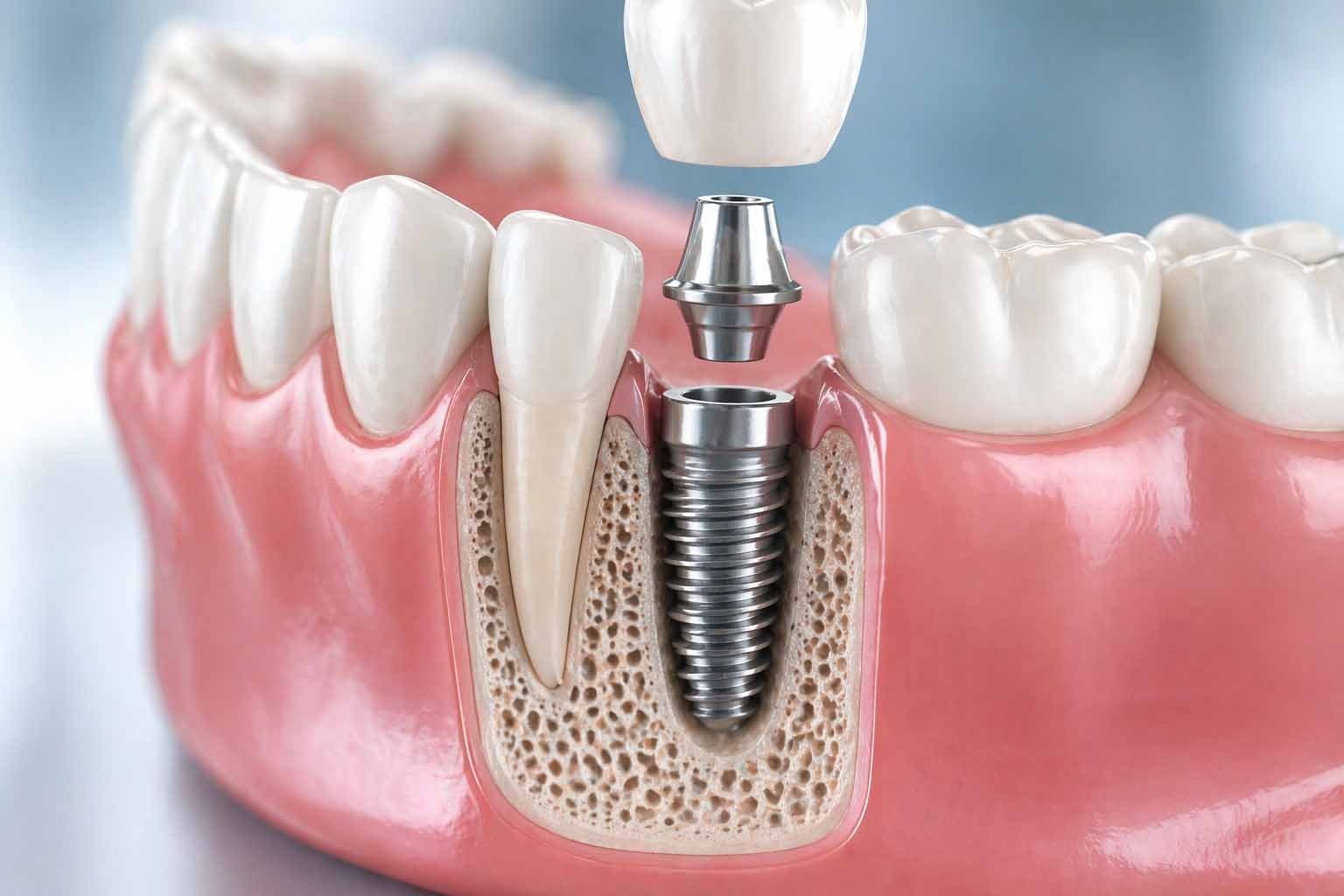
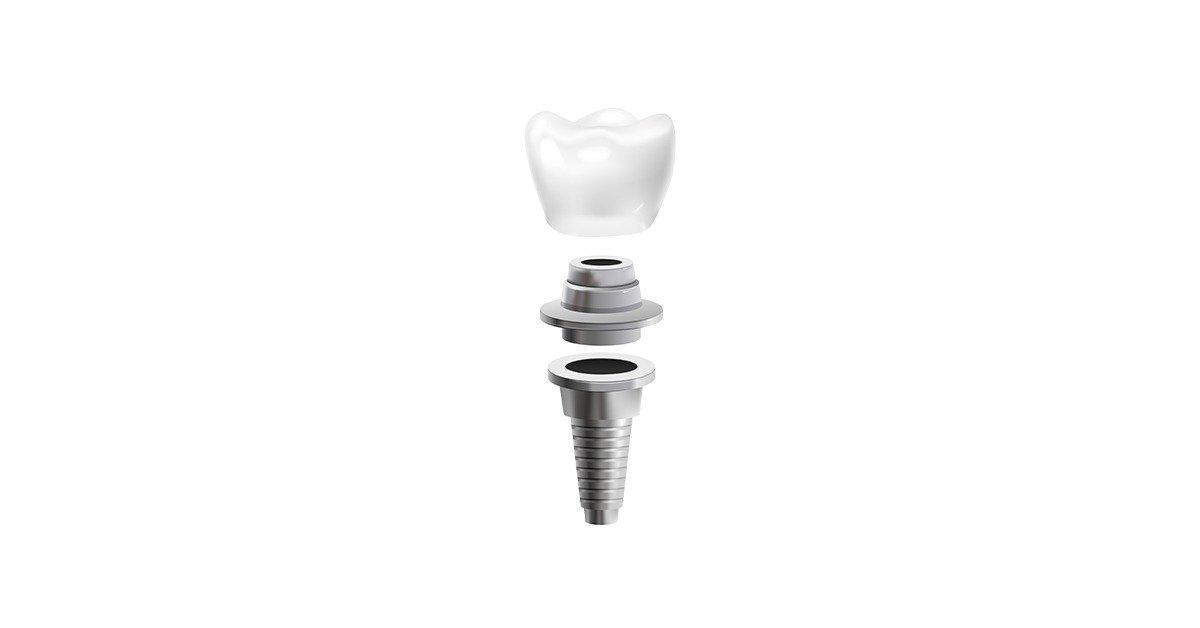
Dental Implants for Seniors: Does Age Really Matter? Older adults frequently experience tooth loss, but contemporary dentistry provides dependable ways to restore both function and appearance. Dental implants are among the best options currently available. However, a lot of seniors are hesitant to think about getting implants because they believe their age may be a barrier. In actuality, dental implant eligibility is rarely determined solely by age. Much more significant are elements like general health, bone density, and dental hygiene. Seniors can successfully get dental implants and improve their quality of life with the right assessment and care. This blog discusses options for people with bone loss, whether dental implants are appropriate for seniors, cost factors, and how to pick the best clinic for treatment. Table of contents What Are Dental Implants? Are Seniors Good Candidates for Dental Implants? Key Factors That Matter More Than Age Dental Implants for Seniors with Bone Loss Benefits of Dental Implants for Seniors Potential Challenges for Older AdultsDental Implants for Seniors Cost How Seniors Can Prepare for Dental Implant Treatment Considerations for Selecting a Dental Implant Clinic for Seniors Why Choose Hiklean for Dental Implants Conclusion FAQs What Are Dental Implants? Dental implants are artificial tooth roots made from titanium that are surgically placed into the jawbone. They provide a strong base for replacement teeth such as crowns, bridges, or implant-supported dentures. Implant Post (titanium screw): A screw is placed into the jawbone that acts as an artificial tooth root Abutment (connector): It is a connector that bridges the implant to the final artificial tooth. Crown (artificial tooth): The part you can see that replaces the visible portion of the tooth Dental implants are renowned for their natural appearance, stability, and longevity. Are Seniors Good Candidates for Dental Implants? Yes, a lot of elderly people make great candidates for dental implants. People in their 60s, 70s, and even 80s successfully undergo implant procedures every year. Dentists usually evaluate factors such as: Jawbone health Gum condition Overall medical history Lifestyle habits like smoking If these conditions are suitable, seniors can benefit from dental implants just as much as younger patients. Key Factors That Matter More Than Age Bone Density : Dental implants require sufficient jawbone support. If bone loss has occurred, additional procedures like bone grafting may help rebuild the bone. Gum Health : Healthy gums are essential for implant success. Gum disease must be treated before the implant procedure. Overall Health : Conditions such as diabetes or osteoporosis may influence healing, but many seniors with these conditions can still receive implants with proper medical guidance. Oral Hygiene : Maintaining good oral hygiene significantly increases the longevity of dental implants. Dental Implants for Seniors with Bone Loss Many seniors experience jawbone loss after years of missing teeth, which can make implant placement more challenging. However, modern dental techniques and professional dental implant services offer effective solutions & advanced procedures. Common options include: Bone Grafting – A procedure that rebuilds lost bone using natural or synthetic graft   material. Mini Dental Implants – These are smaller implants that can sometimes be placed even when bone density is lower. All-on-4 Implants – A technique where a full set of teeth is supported by just four implants, often reducing the need for extensive bone grafting. With these advanced treatments, even seniors with bone loss can often receive successful dental implants. Benefits of Dental Implants for Seniors Improved Chewing Ability – Implants function like natural teeth, allowing seniors to eat comfortably Better Speech – Implants eliminate the slipping problems associated with traditional dentures. Long-Term Solution – Dental implants can last many years or even a lifetime with proper care. Bone Preservation – Implants stimulate the jawbone and help prevent further bone loss. Improved Confidence – A restored smile helps seniors feel more confident in social situations. Potential Challenges for Older Adults Although implants are highly successful, some seniors may face certain challenges, such as: Reduced bone density Slower healing time Existing health conditions Medication interactions However, careful planning and modern dental techniques help address these concerns effectively. Dental Implants for Seniors Cost Dental implant costs can vary depending on the type and brand used.The starting price for a basic dental implant is usually ₹35,000 (about $380). Premium options such as Nobel implants range between ₹47,000 and ₹65,000 (around $511 to $707), while Straumann implants are priced between ₹50,000 and ₹65,000 (approximately $543 to $706). The variation in cost reflects differences in quality, technology, and long-term durability offered by each implant system. Typical factors affecting cost include: Number of implants needed Bone grafting procedures Type of crown used Diagnostic scans and consultations How Seniors Can Prepare for Dental Implant Treatment To improve implant success, seniors should: Schedule a comprehensive dental consultation Tell the dentist about all of their medical history. Maintain good oral hygiene habits Stop smoking if possible Follow post-treatment care instructions carefully Proper preparation greatly increases the chances of a successful implant procedure. Considerations for Selecting a Dental Implant Clinic for Seniors When selecting a dental clinic for implant treatment, seniors should consider several important factors. Look for clinics that offer: Experienced implant specialists Advanced dental imaging technology Transparent treatment planning and pricing Positive patient reviews and testimonials Comprehensive aftercare support Why Choose Hiklean for Dental Implants Choosing the right dental clinic plays a crucial role in the success of dental implant treatment. Hiklean is known for providing advanced & best dental clinic in Kottayam, with patient-focused treatment plans. Reasons patients choose Hiklean for dental implants include: Experienced dental professionals Modern diagnostic and implant technology Personalized treatment planning High-quality implant materials Comfortable and hygienic clinical environment Seniors who have dental implants from a trusted clinic are guaranteed safe, accurate, and long-lasting results. Conclusion Age should never be the sole factor preventing seniors from restoring their smiles. With modern dental technology and proper evaluation, dental implants can be a safe and effective solution for older adults. Whether dealing with bone loss or considering the cost of treatment, seniors have

Dental Implants for Seniors: Does Age Really Matter? Read More »

What Are Dental Implants? A Complete Beginner’s Guide

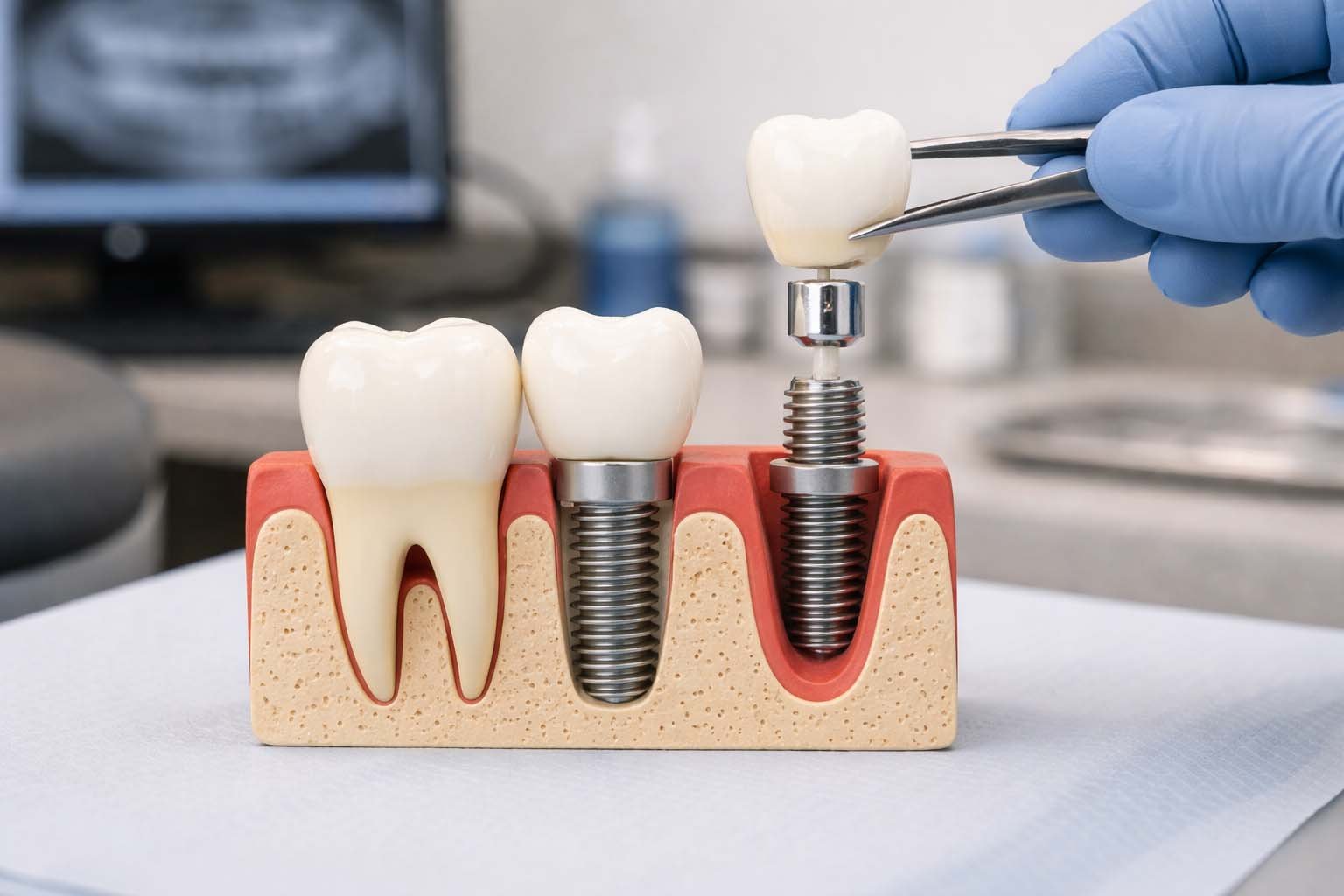
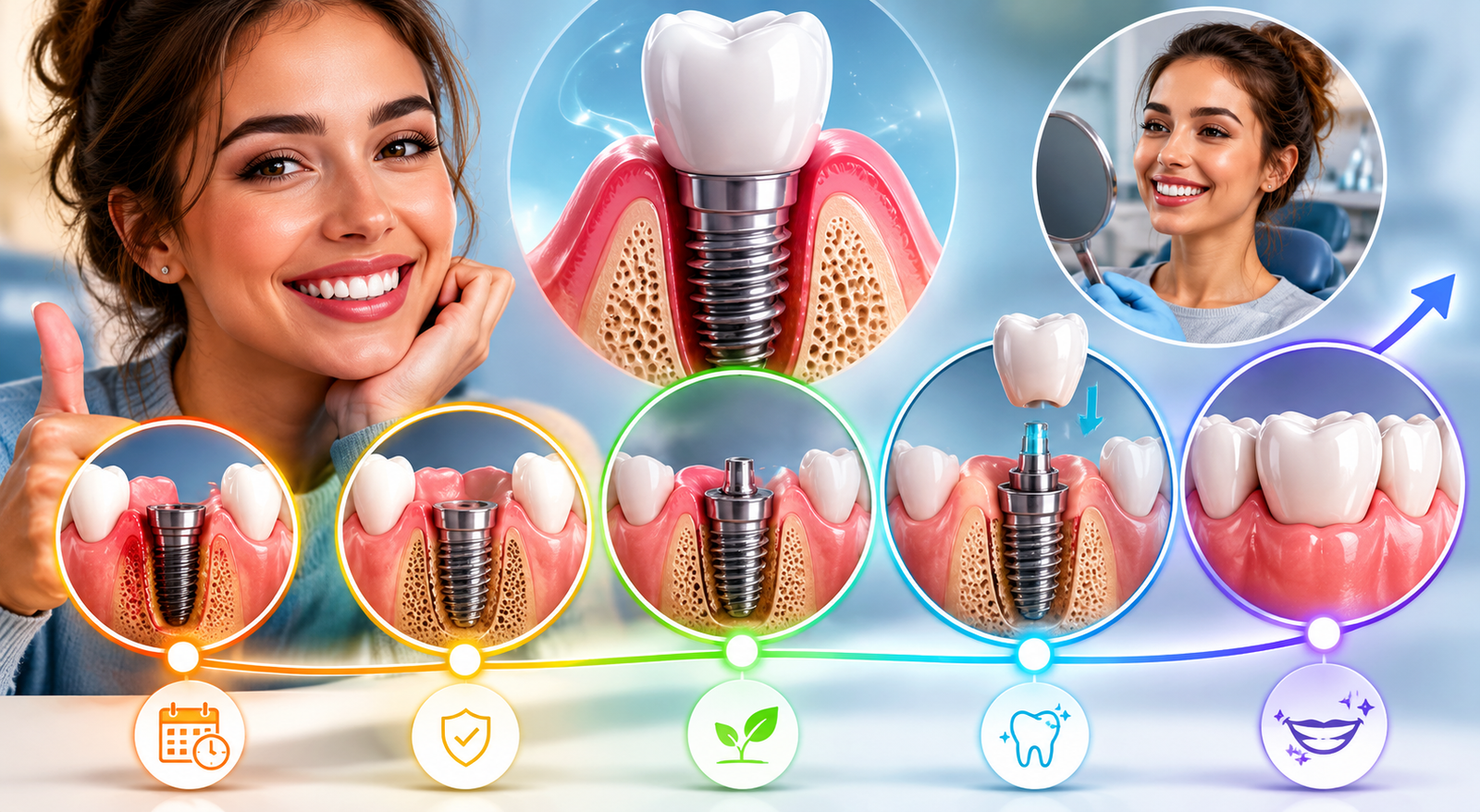
What Are Dental Implants? A Complete Beginner’s Guide Introduction Lost teeth can impact more than just your appearance. They can affect chewing, speech, and even the health of your jawbone. Some traditional options, such as dentures and bridges, may be good for some people, but dental implants offer a more permanent and stable solution. Today, dental implants are universally recognized as the preferred method of tooth replacement as they look, feel, and function just like natural teeth. They are designed to replace both the visible portion of the tooth and its root. Implants help maintain the jawbone strength and prevent bone loss as well. And with good care, they can last a long time. Choosing dental implant treatment in Kottayam can restore not only your smile but also your confidence and comfort. Table of contents Introduction  What Is a Dental Implant? Parts of a Dental Implant Who Is a Good Candidate? Step-by-Step Procedure Benefits of Dental Implants Risks and Considerations Cost of Dental Implants Aftercare and Maintenance Conclusion FAQs What Is a Dental Implant? A dental implant is a small titanium screw that serves as the replacement for the root portion of a missing natural tooth. Its surface becomes fused with the bone over time in a process known as osseointegration, providing a sturdy support for an artificial tooth. After healing, a crown (artificial tooth) is placed on the implant to restore both function and esthetics. In short: Dental implant is a titanium post It sits within the jawbone It serves as an artificial tooth root A crown is fixed on top to complete the restoration Parts of a Dental Implant Dental implant typically consists of three main components:    1. Implant Post (titanium screw): A screw is placed into the jawbone that acts as an artificial        tooth root.    2. Abutment (connector): It is a connector that bridges the implant to the final artificial tooth.    3. Crown (artificial tooth): The part you can see that replaces the visible portion of the tooth. Who Is a Good Candidate? You may be a good candidate for dental implants if: You have one or more missing teeth Your gums are healthy You have good jawbone support You maintain good oral hygiene You don’t smoke heavily Even if you have bone loss, procedures like bone grafting can make implants possible. Step-by-Step Procedure Here’s how the dental implant procedure generally goes: Step 1: Consultation and Evaluation Your dentist examines your mouth, takes X-rays, and evaluates your bone health. Step 2: Implant Placement A small titanium post is surgically placed into the jawbone. This acts as an artificial root. Step 3: Healing Time Over the next three to six months, the implant fuses with the bone, creating a strong, stable foundation. Step 4: Abutment Placement A small connector piece called an abutment is attached to the crown. This will hold the final crown. Step 5: Crown Placement A custom made crown is placed over the abutment, designed to match your natural teeth’s shape and colour. Benefits of Dental Implants Dental implants offer many advantages: Look  and feel Natural Can last 15–25 years or even longer Restore proper chewing function. Improve speech Prevent bone loss Do not  compromise neighboring teeth Feel stable and comfortable Unlike dentures, implants don’t slip or move. They feel secure and permanent. Risks and Considerations Dental implants are  highly successful and safe, but possible risks include: InfectionImplant failure (rare)Nerve damage (very rare)Sinus complications (for upper jaw implants) Choosing an experienced dentist significantly reduces these risks. Cost of Dental Implants The cost of varies depending on: Number of implants required Need for bone grafting Type of crown used Location of the dental clinic Although dental implants service are more expensive initially than dentures or bridges, they are often more cost-effective long-term due to durability. Aftercare and Maintenance Caring for dental implants is similar to taking care of natural teeth: Brush twice daily Floss regularly Visit your dentist for a regular check-up Avoid chewing  very hard objects With proper care, dental Implants can last for decades. Add Your Heading Text Here Dental implants are more than just a solution for missing teeth. They don’t just restore your smile, they restore your confidence and your smile.  Although the treatment process takes a few months, the long-term benefits outweigh the overall time invested.  If you are considering dental implants, consult a qualified dentist at Hi-Klean Dental Clinic in Kottayam to evaluate your condition and create a personalized treatment plan. The smile you want may be closer than you think. Restore Your Smile with Dental Implants Book Now Frequently Asked Questions 1. Are dental implants painful? The procedure is performed under local anesthesia, so you won’t feel pain during surgery. Mild discomfort or swelling after the procedure is normal and manageable with medication. 2. How long do dental implants last? With proper care and regular dental check-ups, dental implants can last 15-25 years or even a lifetime. 3. Is the dental implant procedure safe? Yes, dental implants are considered a safe and highly predictable treatment with a high success rate when performed by a qualified dentist. 4. Can anyone get dental implants? Most adults with good overall health and oral health are eligible. However, a thorough dental evaluation is necessary to determine individual suitability. 5. How long does the entire process take? The complete process typically takes 3–6 months, depending on the healing time and proper fusing with the bone. 6. Are dental implants better than dentures? Implants are more stable, durable, and natural-looking compared to removable dentures.

What Are Dental Implants? A Complete Beginner’s Guide Read More »

Caring for your dental implants: Tips for long-term maintenance

Caring for your dental implants: Tips for long-term maintenance Introduction Dentistry’s restorative realm has seen great changes with the hope of teeth maximization of benefit being derived. However, some of these implants require extra care if at all you would wish to increase their usability. At Dental clinic in Kottayam, we provide important highlights of the post-operative care required for implants in order for them to hold in the mouth for a number of years. Table of Contents What are dental implants? Daily Maintenance Tips Importance of Regular Dental Check-up Lifestyle Adjustments Identifying Potential Problems Ongoing Care Strategies What Are Dental Implants? It has been previously defined that a dental implant is an artificial, specially designed root manufactured using biocompatible materials such as titanium. At Dental Implants in Kottayam, these are fitted into the jawbone, acting as a durable base on which prosthetic teeth like crowns or bridges are affixed. How They Function The endosseous prostheses integrate into the bone structure which is usually the jaw in a process called osseointegration which guarantees stability. This incorporation further enables the implants to comfortably hold artificial teeth in place and perform effectively as natural teeth do. Prevention Measures Good oral hygiene habits should be practiced not only on the natural teeth but also on the implants. Brush your teeth using a soft-bristled toothbrush and fluoride toothpaste at least after every meal or twice a day. It is very important to floss around the head of the implant and the neighboring teeth to remove possible food residues and plaques not eliminated by brushing. Benefits of Antimicrobial Mouthwash Using an antimicrobial mouthwash is effective in eliminating most of the plaque in your mouth, making it an ideal choice for preventing gum infections, especially around your dental implants. For the best care, including Dental implants service in Kottayam, consult your dentist to find the right mouthwash that complements your brushing and flossing routine. The Role of Professional Cleanings Professional cleanings are highly recommended in addition to all caring techniques applied at home for the maintenance of dental implants treatment kottayam. Your teeth and gum health will be assessed, and calcium deposits on the devices will be consciously cleaned by the dentist or hygienist to make sure the devices remain healthy. How to Monitor Implant Health Regular appointments help in assessing the success of the implant and any measures that should be taken to prevent complications.The possibility of experiencing complications as well as the lifespan of the implants can be increased through early intervention. Common Recommendations Diet A proper diet positively impacts every aspect of a person’s oral health. Hard, sticky or even sugary materials should also be avoided as they can result to undue stress to the implants or even increase the risk of plaque accumulation. Shift your focus on taking different types of food rich in vitamins that are beneficial for healthy teeth and bones. Habits to not Do. Some habits, including smoking or excessive drinking, for instance, may have adverse effects on your gums, bone structure, and even the stability of the implanted structures. Hence, it is recommended to stop smoking and raise your threshold for alcoholic drinks, if at all you want your implants to last longer. Warning indicators that you should be aware of If there is any discomfort around the implant, such as fever, oozing or inflammation that persists for quite some time you should think twice about this. Such symptoms may range from changes in the fitting of the teeth supported by the implant to chewing difficulties. When to See a Dentist Should you show any symptoms of the above-mentioned, please contact the dentist immediately. Such symptoms can be easily treated if diagnosed early before they become unable to manage. Sustaining Care Strategies: Keeping Your Gum Health Healthy gums are of utmost importance to the success of the implant procedure. To keep your gums in optimal condition. Ensuring Proper Function of Implants It is advisable to evaluate the fit and function of the dental prostheses, which are retained by the implant every so often. If there is any movement or sensation that is different, have it checked by a dentist. Conclusion To properly maintain dental implants and oral hygiene, compliance with dental hygiene habits is necessary. When such daily and routine habits of care and clean-up are practiced along with other healthy choices, such as preventing smoking, then the users can make use of the implants for many years. However, only a qualified dentist from a Dental implants service in Kottayam can give recommendations about it and help keep your smile healthy

Caring for your dental implants: Tips for long-term maintenance Read More »

Scroll to Top