Hi-Klean Dental Clinic

Author name: hi-klean admin

Hi-Klean Dental Clinic in Kottayam is a leading dental care provider known for its compassionate and expert services. Led by Dr. Sijo P Mathew, the clinic has earned a reputation for prioritizing patient well-being and providing comprehensive dental care. The clinic’s team of dedicated professionals prioritizes patient comfort and satisfaction, and their state-of-the-art facilities are meticulously maintained to ensure hygiene and safety. They offer a wide range of services, from routine checkups and cleanings to advanced procedures, and their experienced dentists and dental hygienists provide individualized treatment for each patient’s specific needs. Hi-Klean Dental Clinic is committed to helping patients achieve optimal oral health through gentle care and exceptional results.

Single Sitting vs Multiple Sitting Root Canal: What’s the Difference?

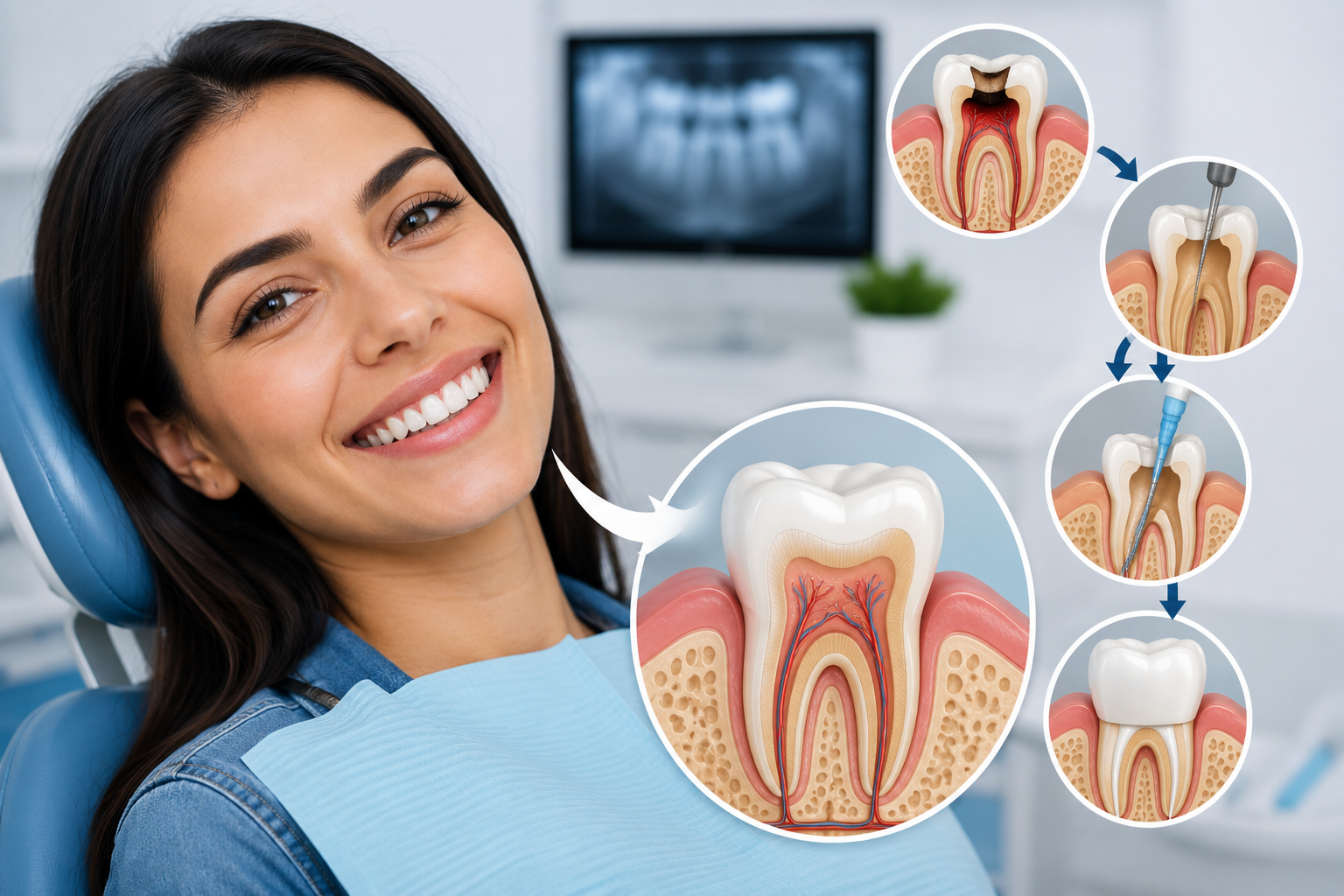
Single Sitting vs Multiple Sitting Root Canal: What’s the Difference? Root canal treatment (RCT) is a widely used dental procedure to save a tooth that has become severely infected or damaged. When the pulp inside the tooth becomes infected due to deep decay, cracks, or trauma, a root canal helps remove the infection and restore the tooth’s function. During the procedure, the dentist removes the infected pulp, cleans and disinfects the root canals, and seals the tooth to prevent further infection. Depending on the condition of the tooth, the treatment can be completed in one visit (single sitting root canal) or over multiple visits (multiple sitting root canal). Understanding the difference between these two approaches can help patients make informed decisions about their dental treatment. Table of contents What Is Root Canal Treatment What Is a Single Sitting Root Canal? What Is a Multiple Sitting Root Canal Single vs Multiple Sitting Root Canal: Key Differences Benefits of Single Sitting Root Canal Benefits of Multiple Sitting Root Canal Cost of Single vs Multiple Sitting Root Canal Which Root Canal Treatment Is Better? Why Choose Hiklean for Root Canal Treatment Can I Book an Appointment Online for a Multiple Sitting Root Canal at Hiklean? Conclusion FAQs What Is Root Canal Treatment? Root canal treatment is performed when the pulp inside a tooth becomes infected or inflamed. If untreated, the infection can spread and cause severe pain, swelling, and even tooth loss. The procedure generally involves: Removing infected pulp Cleaning and disinfecting the root canals Filling and sealing the canals Restoring the tooth with a dental crown if neededRoot canal treatment in Kottayam helps relieve pain and preserve the natural tooth, allowing patients to maintain normal chewing and oral function. What Is a Single Sitting Root Canal? A single sitting root canal treatment is completed in one dental appointment. The dentist cleans the root canals and seals them during the same visit. When it is recommended Mild to moderate infection Straightforward root canal structure Patients who prefer quicker treatment Thanks to modern dental technology, single sitting root canal treatments have become more common and efficient. What Is a Multiple Sitting Root Canal? A multiple sitting root canal requires two or more dental visits. During the first visit, the dentist removes the infected pulp and cleans the canals. In cases of severe infection, medication may be placed inside the tooth to eliminate bacteria. The tooth is then temporarily sealed, and during the next visit, the dentist completes the final cleaning and filling. When it is recommended Severe tooth infection Presence of swelling or dental abscess Complex root canal structure Teeth requiring additional disinfection and healing time Single vs Multiple Sitting Root Canal: Key Differences Feature Single Sitting Root Canal Multiple Sitting Root Canal Number of visits One appointment Two or more appointments Treatment time Takes longer Faster Infection level Mild infections Severe infections Medication between visits Usually not needed Often required Case complexity Simple cases Complex cases Benefits of Single Sitting Root Canal Faster Treatment – The entire procedure is completed in one visit, saving time for patients. Fewer Dental Appointments –  Patients do not need to schedule multiple visits to complete the treatment. Immediate Pain Relief – Removing the infected pulp and sealing the tooth in the same visit can provide quick relief from tooth pain. Reduced Risk of Re-infection – Since the root canal is cleaned and sealed immediately, there is less chance for bacteria to re-enter the tooth. Convenient for Busy Patients – Ideal for people with tight schedules or those traveling long distances for dental care. Faster Recovery – Because treatment is completed quickly, the tooth can be restored sooner. Benefits of Multiple Sitting Root Canal Better Infection Control – Medication placed inside the tooth between visits helps eliminate bacteria effectively. Allows Healing Time – The surrounding tissues get time to heal before the final sealing of the tooth. Suitable for Complex Cases – Teeth with multiple or curved canals can be treated more carefully over several visits. Lower Risk of Complications – Gradual treatment helps ensure the infection is completely removed. Higher Success for Severe Infections – Multiple visits improve the success rate in complicated cases. Cost of Single vs Multiple Sitting Root Canal The price of root canal treatment can vary based on several factors, such as: Tooth location (front tooth or molar) Severity of infection Technology used in the clinic Dentist’s experience Need for a dental crown after treatment Single sitting root canals may involve fewer visits, while multiple sitting treatments may require additional appointments and medications. Which Root Canal Treatment Is Better? Both single sitting and multiple sitting root canal treatments are effective. The choice depends on the specific condition of the tooth. Dentists usually consider: Severity of infection Tooth anatomy and canal complexity Presence of swelling or abscess Patient comfort and medical history For mild infections, a single sitting root canal may be sufficient, while multiple sitting root canals are recommended for severe infections and complex cases. Why Choose Hiklean for Root Canal Treatment Choosing the right dental clinic plays an important role in the success of root canal treatment. Hiklean Dental Clinic, the best dental clinic in Kottayam provides advanced dental care using modern technology and experienced dental professionals. Reasons to choose Hiklean Experienced root canal specialists Modern dental equipment and advanced techniques Comfortable and patient-friendly environment Personalized treatment plans Affordable dental care optionsThe clinic focuses on pain-free procedures and long-lasting dental solutions for patients. Can I Book an Appointment Online for a Multiple Sitting Root Canal at Hiklean? Yes, you can easily book an appointment online for a multiple sitting root canal at Hiklean Dental Clinic. Online booking makes the process simple and convenient for patients who want to schedule their dental consultation without visiting the clinic in person. Benefits of booking your appointment online at Hiklean Quick and easy scheduling from your phone or computer Ability to choose a convenient date and time Faster confirmation of your dental consultation Avoid long

Single Sitting vs Multiple Sitting Root Canal: What’s the Difference? Read More »

How Much Can You Save with Dental Tourism? Real Cost Comparisons

How Much Can You Save with Dental Tourism? Real Cost Comparisons You are not alone if you are sitting in a dental office in the US, Canada, or any other well developed nations and looking at a bill for full mouth work, an implant, or a crown. Because crowns, implants, and complete mouth work are so expensive, many individuals are looking into dental tourism. Rising expenditures in developed countries, advantageous exchange rates, and cheaper living expenses in well-liked locations are the main drivers of this trend. The sector has grown tremendously as a result of millions of people choosing to receive high-quality dental care abroad at far lower costs. Dental tourism offers affordable and high-quality dental care, surprising many with the value available in various destinations. Instead of focusing solely on cost, it is crucial to take into account the full package, which includes treatment quality, accessibility, follow-up procedures, and clinic selection. Many foreign clinics provide care that is on par with that in Western countries by utilizing cutting-edge technology and premium materials. These clinics are able to offer excellent care at lesser costs while maintaining high standards because of the lower cost of living. Table of contents What Is Dental Tourism? Why are people looking for dental work abroad? How to Choose the Best Country for Dental Work? Dental Implants – Cost Comparison  INR v/s USD Factors to Consider Before You Book Dental Work Abroad Conclusion FAQ What Is Dental Tourism? Dental tourism allows individuals to travel overseas for dental care while saving significantly. It is a type of medical tourism in which individuals seek high-quality dental care for a fraction of the price they would spend at home. The dental tourism industry has grown dramatically in recent years. Patients from several Western countries now commonly go to India, Thailand, Philippines, and Malaysia for dental implants and full smile makeovers. Countries such as India and Thailand have emerged as major centers for this expanding tourist industry. Why are people looking for dental work abroad? Dental tourism is simply traveling to another nation to have treatment that is less expensive or accessible sooner than at home. When it comes to big-ticket treatments like implants, All-on-4, or complete mouth reconstruction, the cost may quickly approach tens of thousands of dollars. Likewise, insurance policies may limit or prohibit significant restorative or cosmetic surgeries. Dental tourism is popular because it is affordable, convenient, and provides access to high-quality care. Individuals seek more cheap treatments overseas due to high dental prices in their native country and a lack of insurance choices. Many nations have lower living and clinic running costs, allowing dentists to give treatments at lower prices without sacrificing quality. One example is India. Destinations that cater to overseas customers frequently feature dental tourism clinics in Kerala and services intended for tourist comfort. However, affordability should not overwhelm the need for safe, dependable treatment and post-care support. To guarantee excellent care while receiving dental procedures overseas, patients must confirm that facilities adhere to local and international safety requirements and verify professional certifications. How to Choose the Best Country for Dental Work? Before choosing dental treatment overseas, consider the following factors:  Quality of Care: Look for clinics with international accreditations, English-speaking personnel, and sophisticated facilities that use major implant brands such as Straumann or Nobel Biocare.  Cost: Compare prices and obtain detailed quotes that cover all fees, as costs can vary based on the type of dental work and country. Travel Proximity: European patients may prefer adjacent nations such as India, Turkey, or Malaysia, but Australians frequently go to Thailand for shorter trips.  Tourism Value: Combine dental care with a vacation experience in Kerala, where you may enjoy accommodations, cuisine, and culture. Dental Implants – Cost Comparison INR v/s USD If you’re considering dental treatment in India, you’re probably wondering: What could be the cost in India? India has become one of the most popular destinations for affordable, high-quality dental implants. While pricing varies depending on the complexity of the treatment and the materials used, most patients in 2026 can expect the following average price range for the treatments listed below, shown in INR and USD. Factors to consider before You Book Dental Work Abroad Choosing a reputable dental clinic abroad demands significant study.  Confirm the clinic’s expertise and accreditations.  Authenticate the dentist’s qualifications and experience using internet resources.  Contact the clinic to confirm the availability of your selected treatments. Examine patient testimonies and assess the clinic’s facilities and technology.  Ensure post-treatment care provisions and evaluate any language obstacles to successful communication.  Inquire about infection control requirements and get a detailed cost breakdown and schedule for the process. Familiarize yourself with the local legal system, and seek legal patient insurance for further protection. Conclusion Dental tourism offers a cost-effective solution for dental procedures paired with a holiday. People need to evaluate risks thoroughly before moving forward. Dental clinics in Kottayam are notable for dental care, providing 30–70% savings on treatments while maintaining high quality.  Hi Klean Dental Clinic offers exceptional care from English-speaking personnel and adaptable payment options, making high-quality treatments accessible. Patients gain from financial savings, high-quality service, and an attractive recovery environment. To discover budget-friendly dental alternatives, it’s essential to evaluate clinic outcomes, patient reviews, and treatment strategies. This explains why US and Canadian patients frequently choose India, especially in locations such as Kerala to fit into that bigger picture. Considering dental tourism in Kerala? Get in touch with us Frequently Asked Questions 1. Is dental tourism safe today? Yes, when treatment plans are clearly laid out and clinics are carefully assessed. Usually, risk results from rushed decisions or inadequate research. What should I do if I have complications after getting dental treatment abroad? First, take care of any urgent medical issues locally, document everything, and notify the clinic as soon as possible in writing. How should I handle language barriers when getting dental treatment abroad? Specify who will communicate with you during each visit. How much can dental tourism actually

How Much Can You Save with Dental Tourism? Real Cost Comparisons Read More »

Can You Get Clear Aligners If You Have Dental Crowns?

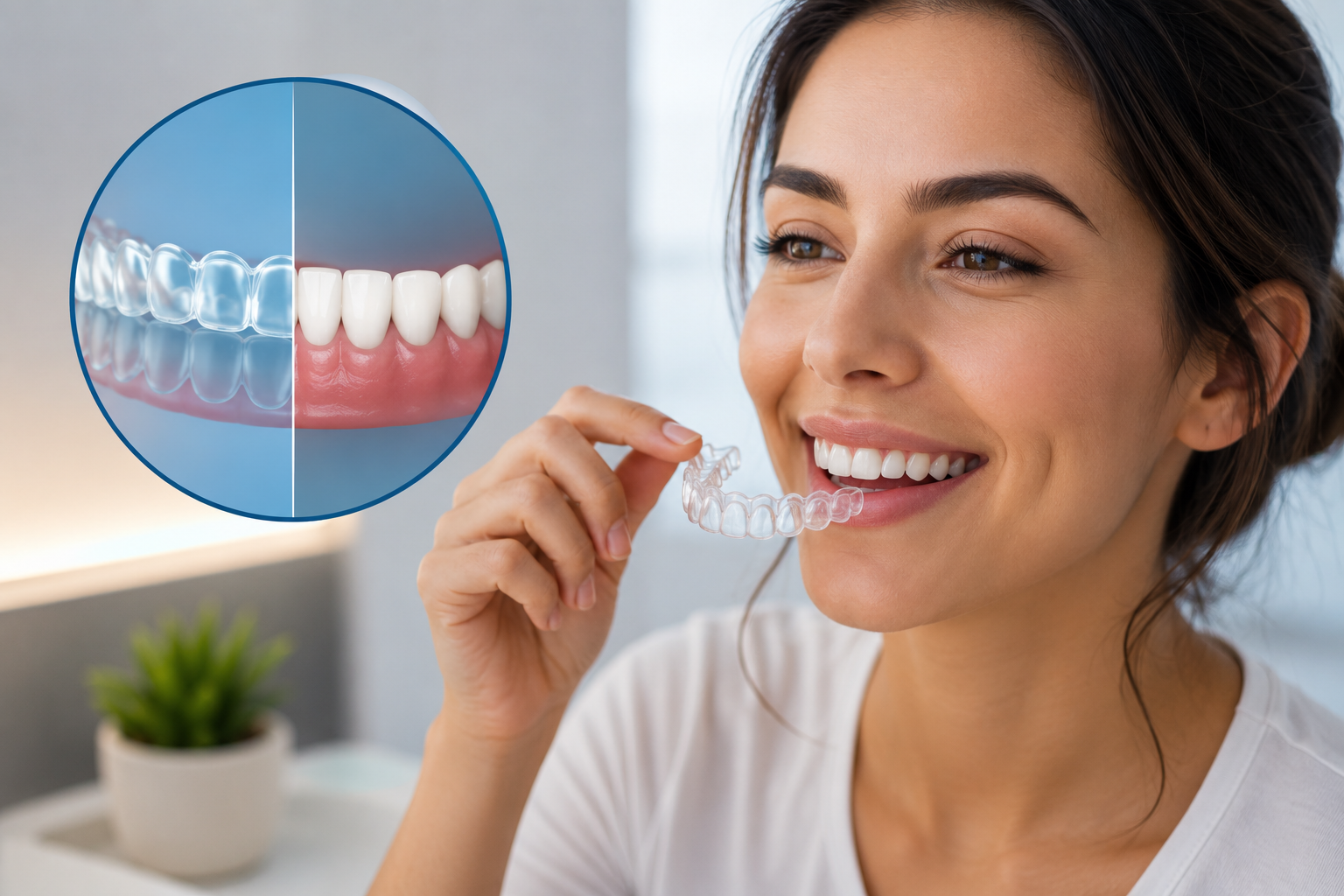
Can You Get Clear Aligners If You Have Dental Crowns? In recent years, clear aligners have become one of the most popular options for orthodontic treatment. They offer a discreet, comfortable, and convenient way to straighten teeth without traditional metal braces. But if you have dental crowns, you might be wondering: Can you still get clear aligners? Let’s break it down. Table of contents Introduction  What are Clear aligners? Understanding Dental crowns Can You Have Clear Aligners With Dental Crowns? How Clear Aligners Work With Crowns Benefits of Clear Aligners for Patients With Crown When Clear Aligners May Not Be Right How We Can Help you at Hiklean Dental clinic Conclusion  FAQ Introduction If you have dental crowns and are considering clear aligners, you might be wondering if orthodontic treatment is still possible. The good news is that many people with crowns can successfully use clear aligners. However, because crowns are restorations rather than natural teeth, your dentist will need to carefully evaluate their strength, position, and overall oral health before starting treatment. Understanding how aligners work with crowned teeth can help you determine whether this option is right for your smile. What Are Clear Aligners?  Clear aligners are a series of custom-made, transparent trays that gently move your teeth into proper alignment. They’re removable, virtually invisible, and designed to fit snugly over your teeth. Understanding Dental Crowns A dental crown is a cap placed over a damaged or weakened tooth to restore its shape, size, strength, and appearance. Crowns are typically made from ceramic, porcelain fused to metal, or other durable materials. Can You Have Clear Aligners With Dental Crowns? Yes, in most cases, you can get clear aligners if you have dental crowns. Having crowns doesn’t automatically disqualify you from aligner therapy. However, there are a few important factors your dentist will consider: 1. Crown Position and Stability Crowns on back teeth (molars) typically don’t affect aligner fit or movement. Crowns on front teeth may require special evaluation especially if they have unusual shapes or if there are concerns about how they interact with the aligner. 2. Crown Condition Your dentist will assess whether your crowns are secure and functional. Loose crowns might need repair or replacement before starting aligner treatment. 3. Bite Alignment Any significant bite problems may impact the effectiveness of clear aligners, especially when crowns alter the way your teeth meet. How Clear Aligners Work With Crowns Clear aligners grip onto your teeth and gradually shift them into place. Because crowns are solid and supportive, they can work well with aligner treatments — and sometimes can even improve appearance as the surrounding teeth move into a more harmonious position. In certain cases, small attachments or “buttons” may be placed temporarily on natural teeth (not on crowns) to help the aligners exert gentle force more effectively. Benefits of Clear Aligners for Patients With Crowns Discreet: Clear aligners are less noticeable than braces. Removable: You can take them out when eating, brushing, or flossing.Comfortable: No metal wires or brackets rubbing your gums.Customized Treatment: Each set of aligners is tailored to your smile. Patients with crowns can enjoy all these benefits provided they’re evaluated by a qualified dental professional before beginning treatment. When Clear Aligners May Not Be Right Clear aligners may not be suitable in certain situations, such as: If the crown changes the bite significantly If there are complex jaw alignment issues If additional restorative work is recommended before moving teeth In these cases, your dentist may discuss alternative options or a modified treatment plan. How We Can Help you at Hiklean Dental clinic At Hiklean, we believe everyone deserves a confident smile  whether you have crowns, fillings, or other dental restorations. Our team offers: Personalized orthodontic consultations Planning and monitoring Comprehensive dental care to ensure your oral health supports successful treatment We evaluate your full dental history, understand your goals, and design a plan that’s safe, effective, and right for you. Conclusion Yes, you can get clear aligners in kottayam even if you have dental crowns with our dental clinics in kottayam . Most patients with crowns are excellent candidates for aligner treatments, as long as their crowns are healthy and well-placed. The best way to know for sure is to consult with a dental professional who can assess your unique smile and recommend the right approach. Ready to Transform Your Smile? Book appointment Frequently Asked Questions 1. Are dental implants painful? No, clear aligners do not usually damage dental crowns. Clear aligners work by putting gentle and controlled pressure on your teeth. However, your dentist will ensure your dental crowns are firmly in place and in good condition before you start clear aligner Treatment in kottayam. 2. Are clear aligners safe if I have multiple crowns? Yes, multiple crown patients are safe with Clear Aligners. Your dentist will assess your biting and crown stability and will let you know if Clear Aligners are right for you. 3. How do I know if I’m a good candidate for clear aligners with crowns? The most effective way to assess your eligibility is to consult your dentist. He/she will check your crown placement, check the status of your crowns, and then proceed to recommend clear aligners. 4. Do dental crowns move in the same way as natural teeth when using aligners? Yes, the crowns will indeed move along with your natural tooth structure that is located beneath them. The reason is that, because your crown is cemented to your tooth, it’ll also be moving when your tooth realigns with your aligner treatment.

Can You Get Clear Aligners If You Have Dental Crowns? Read More »

What Are Dental Implants? A Complete Beginner’s Guide

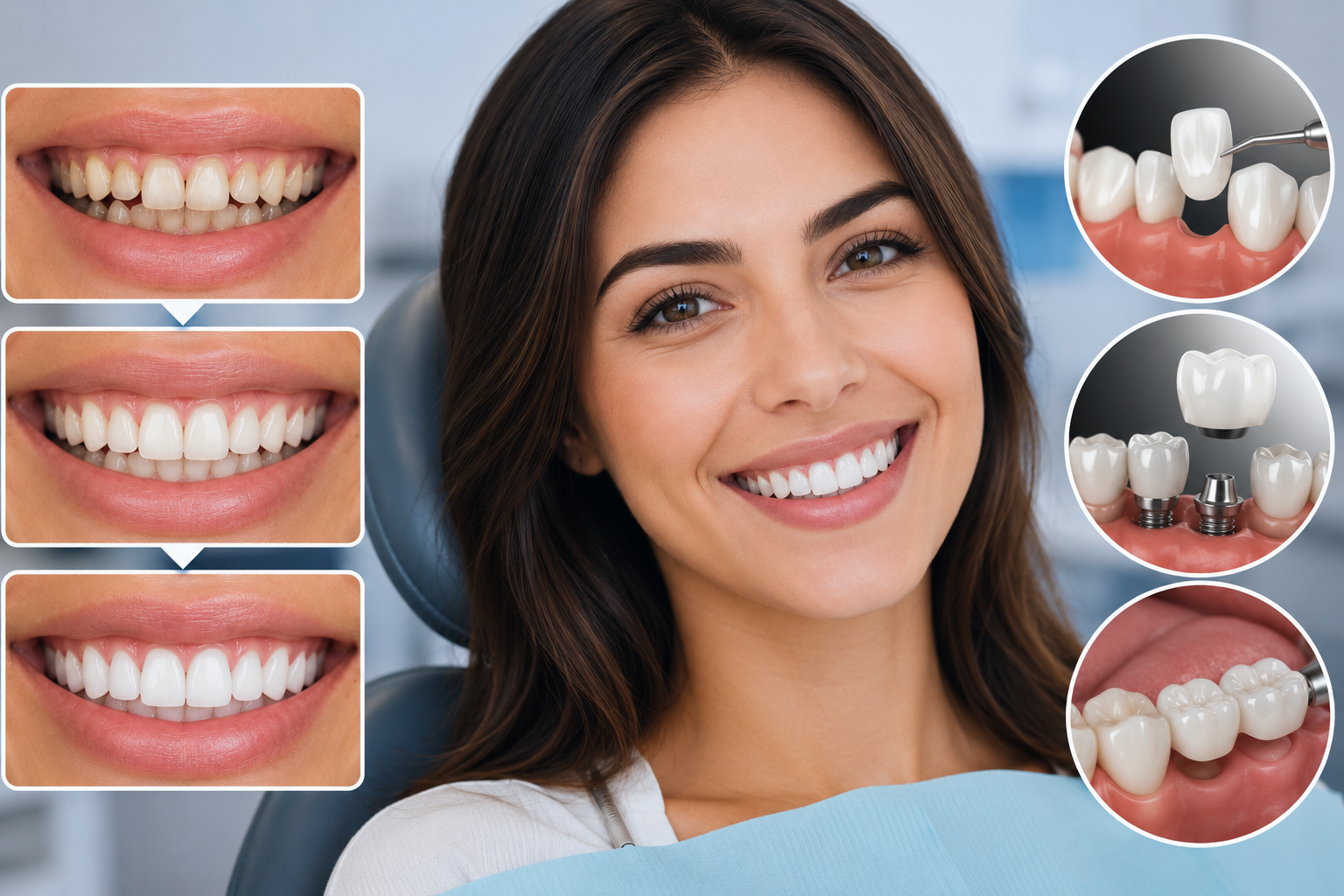
What Are Dental Implants? A Complete Beginner’s Guide Introduction Lost teeth can impact more than just your appearance. They can affect chewing, speech, and even the health of your jawbone. Some traditional options, such as dentures and bridges, may be good for some people, but dental implants offer a more permanent and stable solution. Today, dental implants are universally recognized as the preferred method of tooth replacement as they look, feel, and function just like natural teeth. They are designed to replace both the visible portion of the tooth and its root. Implants help maintain the jawbone strength and prevent bone loss as well. And with good care, they can last a long time. Choosing dental implant treatment in Kottayam can restore not only your smile but also your confidence and comfort. Table of contents Introduction  What Is a Dental Implant? Parts of a Dental Implant Who Is a Good Candidate? Step-by-Step Procedure Benefits of Dental Implants Risks and Considerations Cost of Dental Implants Aftercare and Maintenance Conclusion FAQs What Is a Dental Implant? A dental implant is a small titanium screw that serves as the replacement for the root portion of a missing natural tooth. Its surface becomes fused with the bone over time in a process known as osseointegration, providing a sturdy support for an artificial tooth. After healing, a crown (artificial tooth) is placed on the implant to restore both function and esthetics. In short: Dental implant is a titanium post It sits within the jawbone It serves as an artificial tooth root A crown is fixed on top to complete the restoration Parts of a Dental Implant Dental implant typically consists of three main components:    1. Implant Post (titanium screw): A screw is placed into the jawbone that acts as an artificial        tooth root.    2. Abutment (connector): It is a connector that bridges the implant to the final artificial tooth.    3. Crown (artificial tooth): The part you can see that replaces the visible portion of the tooth. Who Is a Good Candidate? You may be a good candidate for dental implants if: You have one or more missing teeth Your gums are healthy You have good jawbone support You maintain good oral hygiene You don’t smoke heavily Even if you have bone loss, procedures like bone grafting can make implants possible. Step-by-Step Procedure Here’s how the dental implant procedure generally goes: Step 1: Consultation and Evaluation Your dentist examines your mouth, takes X-rays, and evaluates your bone health. Step 2: Implant Placement A small titanium post is surgically placed into the jawbone. This acts as an artificial root. Step 3: Healing Time Over the next three to six months, the implant fuses with the bone, creating a strong, stable foundation. Step 4: Abutment Placement A small connector piece called an abutment is attached to the crown. This will hold the final crown. Step 5: Crown Placement A custom made crown is placed over the abutment, designed to match your natural teeth’s shape and colour. Benefits of Dental Implants Dental implants offer many advantages: Look  and feel Natural Can last 15–25 years or even longer Restore proper chewing function. Improve speech Prevent bone loss Do not  compromise neighboring teeth Feel stable and comfortable Unlike dentures, implants don’t slip or move. They feel secure and permanent. Risks and Considerations Dental implants are  highly successful and safe, but possible risks include: InfectionImplant failure (rare)Nerve damage (very rare)Sinus complications (for upper jaw implants) Choosing an experienced dentist significantly reduces these risks. Cost of Dental Implants The cost of varies depending on: Number of implants required Need for bone grafting Type of crown used Location of the dental clinic Although dental implants service are more expensive initially than dentures or bridges, they are often more cost-effective long-term due to durability. Aftercare and Maintenance Caring for dental implants is similar to taking care of natural teeth: Brush twice daily Floss regularly Visit your dentist for a regular check-up Avoid chewing  very hard objects With proper care, dental Implants can last for decades. Add Your Heading Text Here Dental implants are more than just a solution for missing teeth. They don’t just restore your smile, they restore your confidence and your smile.  Although the treatment process takes a few months, the long-term benefits outweigh the overall time invested.  If you are considering dental implants, consult a qualified dentist at Hi-Klean Dental Clinic in Kottayam to evaluate your condition and create a personalized treatment plan. The smile you want may be closer than you think. Restore Your Smile with Dental Implants Book Now Frequently Asked Questions 1. Are dental implants painful? The procedure is performed under local anesthesia, so you won’t feel pain during surgery. Mild discomfort or swelling after the procedure is normal and manageable with medication. 2. How long do dental implants last? With proper care and regular dental check-ups, dental implants can last 15-25 years or even a lifetime. 3. Is the dental implant procedure safe? Yes, dental implants are considered a safe and highly predictable treatment with a high success rate when performed by a qualified dentist. 4. Can anyone get dental implants? Most adults with good overall health and oral health are eligible. However, a thorough dental evaluation is necessary to determine individual suitability. 5. How long does the entire process take? The complete process typically takes 3–6 months, depending on the healing time and proper fusing with the bone. 6. Are dental implants better than dentures? Implants are more stable, durable, and natural-looking compared to removable dentures.

What Are Dental Implants? A Complete Beginner’s Guide Read More »

Modern Root Canal Treatment: How Technology Makes It Painless

Modern Root Canal Treatment: How Technology Makes It Painless Introduction For many people, the term root canal evokes past dental fears. However, times have evolved, and contemporary dentistry has entirely converted this formerly feared procedure into a relaxed and almost pain-free experience. Dental pain can greatly impact your overall routine. It disrupts focus at work, negatively affects mood, leads to sleep issues, and can complicate eating. Many people try hard to dismiss the discomfort, wishing it would disappear by itself. However, tooth pain rarely disappears without dental intervention. Often indicates underlying issues that need immediate attention, one of which is inflammation of the root canal. Root canal therapy helps save a tooth and alleviate pain. Delaying a dentist visit may worsen the infection, potentially leading to tooth loss or an abscess. This blog will explore the significant evolution in root canal techniques and how contemporary innovations have changed the patient experience from fear to comfort. The primary advantage becomes clear: root canals can now be entirely pain-free. Table of contents The Importance of Root Canal Treatment What’s Making Root Canals So Easy Now? Common Fears and Misbeliefs About Root Canal When to Consider a Root Canal Treatment Conclusion FAQ 1.The Importance of Root Canal Treatment As soon as your tooth begins to hurt and your dentist recommends a root canal treatment (RCT), everything feels like it’s falling apart. Indeed, numerous individuals fear RCT, not due to any specific reason but because of the anxiety surrounding the procedure. Greatful to advanced technology, undergoing a root canal procedure is no longer painful or difficult. Root canal therapy, also known as endodontic treatment, is an essential dental procedure designed to save decayed or infected teeth by extracting infected pulp, disinfecting the tooth, and sealing it to prevent further infection.  It is essential for oral health and maintaining natural tooth structure, acting as a better option than tooth extraction and dental implants. Prompt action is crucial, since neglecting an infected tooth may result in intense pain, abscesses, and more extensive health issues. Keeping a natural tooth is essential for efficient chewing, appearance, and alignment. Contemporary technology reduces discomfort during treatments, addressing patients’ pain worries. Indicators that a root canal might be required consist of persistent discomfort with temperature variations, alterations in tooth shade, swelling of the gums, and pulsating pain while eating. Modern techniques offer efficient therapies that maintain tooth integrity. At Hi Klean Dental clinic in Kottayam, we specialize in guaranteeing our patients a pain-free experience for all dental procedures. This is why our experienced endodontist guarantees RCT treatment that is painless and will cause you no fear or anxiety. 2. What’s Making Root Canals So Easy Now? Today’s root canals leverage advanced techniques to enhance patient experience. Key innovations include high-precision imaging and 3D scans for accurate treatment planning, and the use of surgical microscopes to identify hard-to-detect issues. Improved anesthesia methods and gentle techniques contribute to patient comfort, making procedures less traumatic. Finally, enhanced post-operative care ensures smooth recovery. Overall, these modern advancements have significantly improved the pain perception associated with root canals, making them far more tolerable for patients. They can eliminate the infection and close everything with little discomfort. However, the best root canal treatments in Kottayam utilize advanced equipment and patient comfort techniques, reducing treatment time and leading to a more normalized post-procedure experience. Many Individuals return to work on the same day. It’s not merely without pain. It’s effective and hassle-free as well. 3.Common Fears and Misbeliefs About Root Canal Root canal therapy is often misunderstood as a painful procedure due to outdated beliefs. However, modern techniques, including local anesthesia and sedation dentistry, effectively minimize discomfort.  Advanced technologies like rotary endodontics enhance efficiency and treatment duration. Patients typically experience only mild discomfort during recovery, manageable with over-the-counter pain relievers, allowing them to return to normal activities within a day or two. The goal of root canal therapy is to save natural teeth by removing infected tissue, ensuring long-term health with appropriate dental care. Common reasons for root canal treatment include deep tooth decay, infections, poorly fitted crowns, tooth cracks, deteriorating fillings, and extensive dental procedures on a single tooth. Understanding the key factors related to root canal can enhance patients’ confidence when seeking rootcanal treatment in Kottayam. When to Consider a Root Canal Treatment Teeth indicate discomfort through different signs that must be taken seriously. Important signs of dental problems include  Ongoing discomfort while eating Lasting sensitivity to hot or cold drinks Swelling or infection in the gums  Tooth discoloration  Noticeable cracks or severe decay.  Postponing treatment may result in infections, bone deterioration, and worsening dental issues. Timely intervention is essential, as it can avert issues like the requirement for a root canal, typically signaled by persistent tooth pain, ongoing sensitivity, swelling, or advanced decay apparent on X-rays. Pursuing prompt care is crucial to reducing dangers related to oral health. Conclusion Root canal treatment has evolved into a comfortable and painless procedure, and is not even slightly torturous as in the past. Modern technology, such as digital diagnostics, microscopic precision, and bioceramic materials, has greatly improved the process, making it easier and more effective. The treatment focuses on preserving the natural tooth, offering functional, aesthetic, and biological benefits. Patients can confidently undergo root canal treatment, knowing it is a safe and advanced option that prevents future dental problems. If you have pain or doubts about the need for the treatment, contact Hi Klean root canal treatment service in Kottayam to learn more about our pain-free root canal options. where your comfort, confidence, and smile come first. Protect your natural tooth with comfortable root canal treatment book your appointment Frequently Asked Questions Instead of root canal treatment, can I take antibiotics? Antibiotics provide temporary pain relief but do not eliminate the infected pulp, leading to potential recurrence of the infection and possible bone damage. A root canal treatment offers a permanent solution. Is root canal therapy really painless? Modern root canal therapy aims to be comfortable and

Modern Root Canal Treatment: How Technology Makes It Painless Read More »

Scroll to Top