Hi-Klean Dental Clinic

Author name: hi-klean admin

Cosmetic Crown Treatment: A Complete Guide to Restoring Your Perfect Smile

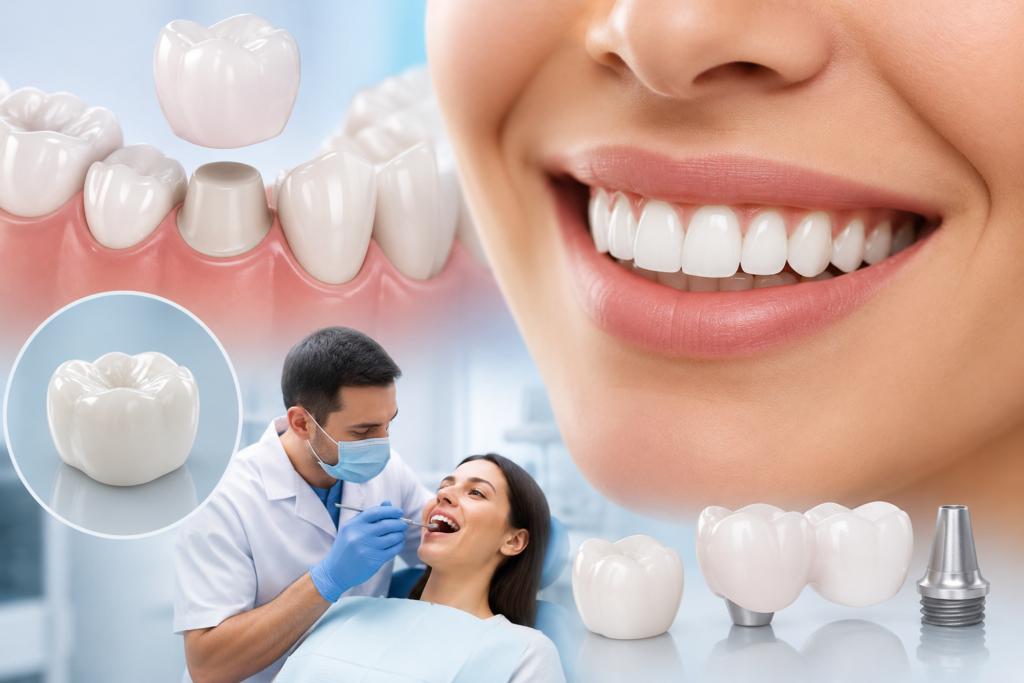
Cosmetic Crown Treatment: A Complete Guide to Restoring Your Perfect Smile A smile that is healthy and full of confidence will make a big difference in a person’s life. But having broken, colored, chipped, or weak teeth may affect much more than just your appearance. Nowadays, cosmetic crowns have emerged as some of the best ways to restore the strength, shape, and aesthetics of the tooth without losing its natural look. Today’s dentists try their best to create crowns that will complement the rest of your teeth so that you can not only chew comfortably but have a good-looking smile as well. The reason why many patients going to Dentist in Kottayam opt for cosmetic crowns is that they allow them to enjoy healthy and beautiful smiles. Table of Contents What Is a Cosmetic Crown Why Cosmetic Crowns Are Used Common Dental Problems Treated with Crowns Types of Cosmetic Crowns Benefits of Cosmetic Crown Treatment The Cosmetic Crown Procedure Recovery and Aftercare How Long Cosmetic Crowns Last Maintaining Your Cosmetic Crowns Choosing the Right Dental Clinic Conclusion FAQs What Is a Cosmetic Crown? A crown for cosmetics is a dental cap that resembles the shape of a tooth that serves the purpose of completely covering a decayed tooth. Dental crowns will serve the purpose of replacing the size, shape, strength, and appearance of the tooth. Crowns today are usually custom-designed so that they can resemble your natural teeth in terms of color and shape. Crowns can be made using materials like porcelain, ceramics, zirconia, or porcelain fused with metal. Those looking for crown treatments in kottayam will always go for crowns because of their appearance. Why Cosmetic Crowns Are Used Cosmetic crowns are recommended when teeth are too damaged for simple fillings or bonding procedures. Restoring Damaged Teeth Crowns protect teeth weakened by decay, fractures, or large fillings. By covering the entire tooth surface, they provide additional strength and stability. Improving Smile Appearance Cosmetic crowns can improve the appearance of: Discolored teeth Misshapen teeth Chipped teeth Worn teeth Uneven teeth The treatment helps create a more balanced and attractive smile. Supporting Dental Restorations Crowns are also commonly used after root canal treatments or alongside dental implants to restore full tooth function. Common Dental Problems Treated with Crowns Crowns are one way that people can fix various issues in the mouth regarding aesthetics and functionality. Cracked/Broken Teeth Teeth that have been injured and subjected to force can be at risk of cracking or breaking. Crowns offer protection and ensure that they continue to function properly. Very Stained Teeth There are some stains that will not easily be removed through bleaching. Crowns allow for the discolorations to be entirely covered and make the teeth look better. Worn Teeth Teeth that are worn down due to grinding or other factors can lose their shape. Crowns restore their form and optimize their function. Weakened Teeth Post-Root Canals Teeth that have gone through root canals tend to weaken. Crowns will help to protect and reinforce them. Most people looking for cosmetic crown services in kottayam opt for crowns because they allow them to be aesthetically improved while being repaired. Types of Cosmetic Crowns Several crown materials are available depending on the patient’s needs, aesthetic preferences, and tooth location. Porcelain Crowns Porcelain crowns offer excellent aesthetics and closely resemble natural teeth. They are especially popular for front teeth restorations. Ceramic Crowns Ceramic crowns are highly aesthetic and metal-free, making them suitable for patients with metal sensitivities. Zirconia Crowns Zirconia crowns provide exceptional strength and durability while still maintaining a natural appearance. Porcelain-Fused-to-Metal Crowns These crowns combine the strength of metal with the appearance of porcelain, offering durability and aesthetic improvement. Benefits of Cosmetic Crown Treatment In addition to their aesthetic benefits, cosmetic crowns offer many other advantages. Natural Appearance  – Contemporary crowns are designed to blend seamlessly with adjacent teeth. Strength and Protection – Crowns not only strengthen existing weak teeth but also safeguard them from additional injury or breakage. Increased Confidence – Repairing problematic teeth can lead to increased confidence while speaking, smiling, or communicating with others. Durability – Under normal circumstances, dental crowns will last many years after placement. Patients seeking cosmetic crown treatment in kottayam can benefit from these properties. The Cosmetic Crown Procedure The crown treatment process is usually completed over multiple appointments. Initial Consultation The dentist examines the affected tooth, discusses treatment goals, and may take X-rays or digital scans to evaluate oral health. Tooth Preparation A small amount of enamel is reshaped to create space for the crown. Impressions are then taken to design a custom restoration. Temporary Crown Placement A temporary crown may be placed while the permanent crown is being fabricated in a dental laboratory. Final Crown Placement Once ready, the custom crown is carefully fitted, adjusted, and permanently cemented onto the tooth. The final result is designed to feel comfortable and function naturally while enhancing the appearance of the smile. Recovery and Aftercare Recovery from cosmetic crowns is generally easy. Sensitivity Issues – A common problem faced by patients after undergoing treatment involves sensitivity to hot or cold foods; however, it will resolve itself in a few days. Diet after Crown Application – People who have had their crowns installed are asked to refrain from consuming hard or sticky foods for the first few days. Hygiene Maintenance – Oral hygiene such as brushing and flossing should be continued to prevent complications. How Long Cosmetic Crowns Last The lifespan of cosmetic crowns depends on several factors including oral hygiene habits, material quality, and lifestyle factors. With proper care, many crowns last between 10 to 15 years or longer. Avoiding habits such as: Teeth grinding Nail biting Chewing hard objects Using teeth as tools can help extend crown longevity significantly. Maintaining Your Cosmetic Crowns For long-term crown success, regular dental care is necessary. Oral Care Practices – It is important to brush your teeth twice a day and floss properly around the area where your crowns are located

Cosmetic Crown Treatment: A Complete Guide to Restoring Your Perfect Smile Read More »

Why Clear Aligners Are Popular Among Working Professionals

Why Clear Aligners Are Popular Among Working Professionals When balancing between job commitments, meetings, presentation, and social events, appearance and confidence tend to be crucial factors for many professionals. There are numerous adults who would like to get straighter teeth, but the thought of using conventional braces scares them due to their conspicuous nature and limitations. This has been the biggest reason for the growing popularity of clear aligners among professionals. In fact, clear aligners present a state-of-the-art solution for tooth alignment without inconveniencing any busy person. As compared to metal braces, clear aligners are more comfortable, removable, and almost invisible. A growing number of patients coming to see a Dentist in Kottayam have opted for clear aligners due to their comfort. Table of Contents What Are Clear Aligners Why Professionals Prefer Clear Aligners Discreet Appearance in Professional Environments Comfort and Convenience for Busy Schedules Easier Oral Hygiene and Maintenance Freedom to Eat Normally Improved Confidence During Treatment Fewer Dental Visits and Better Flexibility Digital Treatment Planning and Predictability Long-Term Benefits of Clear Aligners Conclusion FAQs What Are Clear Aligners? Clear aligners refer to transparent trays that help in realigning teeth by moving them from their existing positions to correct ones. The trays are produced through the use of technology and they are custom made for the specific individual. They are meant to be used for up to 20 to 22 hours every day before changing them periodically as the teeth start to take new positions. They are also removable trays, and therefore the patients are able to remove them whenever they want to eat or brush. Those interested in clear aligners service in kottayam may opt for this kind of dental care. Why Professionals Prefer Clear Aligners Treatment options are usually chosen by working individuals based on ease of integration into their schedules without impacting their ability to communicate or build confidence. There are various benefits of clear aligners which make them appropriate for adults with busy schedules. Minimal Impact on Appearance One of the most significant benefits of using aligners for orthodontic treatment is their invisibility. The clear aligners are not very noticeable when speaking or conducting business transactions. This makes it easier for people to pursue their professional and social obligations without having to be embarrassed by their orthodontic treatment. Comfortable Daily Wear The traditional braces will irritate your mouth due to the metal brackets and wires used. The clear aligners consist of smooth plastic material that will prevent irritation to your mouth. It is good for many people as it gives them peace since they can still perform their duties at work without much distraction. Discreet Appearance in Professional Environments Most professional settings are characterized by constant interaction, networking, videoconferencing, and meeting clients. Many adults refrain from orthodontic work due to concerns that braces will interfere with their confidence and appearance. Clear aligners have been devised to counteract this problem through their almost transparent nature when being worn. Whether attending office meetings, conducting presentations, or engaging in socialization, aligners offer an unobtrusive method of achieving corrections to one’s teeth without having any impact on one’s face during the treatment period. It is for this reason that clear aligners tratment in kottayam have become quite popular among adult patients. Comfort and Convenience for Busy Schedules Professionals often have limited time for lengthy dental appointments or frequent emergency visits caused by broken brackets or wires. Clear aligners are designed to fit conveniently into busy lifestyles. Removable During Important Events One major benefit is the ability to remove aligners temporarily during meals, presentations, interviews, or special occasions. This flexibility allows users to maintain comfort and confidence whenever necessary. Less Interference with Daily Activities Unlikely conventional orthodontic appliances, aligners do not have the need to adjust or tighten wires and use sharp metallic components. Individuals opting for clear aligners in kottayam tend to benefit from the comfort of combining treatment along with their professional engagements. Easier Oral Hygiene and Maintenance Maintaining oral hygiene is often easier with clear aligners compared to fixed braces. Since the trays are removable, patients can continue brushing and flossing normally without navigating around wires or brackets. Reduced Plaque Accumulation Traditional braces may trap food particles more easily, increasing the risk of plaque buildup. Aligners allow better cleaning access, helping patients maintain healthier gums and teeth throughout treatment. Simpler Cleaning Routine Cleaning aligners is also relatively simple. Gentle brushing and rinsing help keep the trays clean and clear. Good oral hygiene supports healthier treatment outcomes and improves overall dental health during orthodontic correction. Freedom to Eat Normally Diet limitations remain among the most popular problems that arise due to metal braces. Foods that are sticky, hard, or crunchy are known to damage brackets or wires. The use of clear aligners solves this problem since patients remove them before meals. Doctors and dentists can enjoy their food without fear of causing any damage to the orthodontic appliance. Improved Confidence During Treatment An assertive smile can contribute greatly to positive social interactions both personally and professionally. The fact is that many adults choose to forgo braces due to the belief that they will look bad with braces. This is where clear aligners come in to make the process less intimidating. As teeth begin to straighten up, many people begin to feel more confident and become better communicators in general. Emotional benefits like this are what make clear aligners so popular nowadays. Fewer Dental Visits and Better Flexibility Busy individuals may find it hard to arrange dental visits amid their busy work schedules. Since clear aligners do not need wire tightening or adjustment unlike metal braces, there is no need for frequent check-ups at the dental office. Appointments made during the course of treatment mostly involve assessment of the patient’s progress and delivery of a new set of aligners. Digital Treatment Planning and Predictability Modern clear aligner systems use advanced digital scanning and treatment planning technology. Customized Treatment Approach Digital impressions create precise aligners tailored specifically to each

Why Clear Aligners Are Popular Among Working Professionals Read More »

Dental Implant Recovery: Week-by-Week Guide

Dental Implant Recovery: Week-by-Week Guide The whole process of getting dental implants may seem daunting for some patients, but in truth, many find that recovery concerns outweigh their fears about the procedure. This is completely normal and should be expected. Knowing everything about the entire process will help you prepare for what’s ahead. The majority of people recover within a few weeks after their procedure, although the implant still heals within the jaw bone over a period of months. What occurs externally is fast while internal healing proceeds slowly. People seeking the services of a Dentist in Kottayam will discover just how easy recovery is once they follow all the correct procedures. Table of Contents What Happens After Dental Implant Placement The First 24 Hours of Recovery Week 1 Recovery Process Weeks 2-4 Healing Progress Weeks 5-12 Bone Healing and Recovery Months 3-6 Final Healing Stage Foods to Eat During Recovery Tips for Faster Implant Healing Long-Term Implant Care Conclusion FAQs What Happens After Dental Implant Placement Recovery process will begin right from the moment you insert the implant into your jaw bone. Your body will automatically start the process of healing by forming new tissues and bones around the implant site. Recovery is crucial since it will be responsible for ensuring the formation of the solid base for your future teeth. Every person has different recovery periods according to their general state of health, conditions of bones, oral hygiene, and need for any other treatment like bone grafting. If you opt for Dental Implants in Kottayam, you can expect to recover quickly and be ready to resume your normal activities without problems. The First 24 Hours of Recovery The first day after treatment is mainly focused on rest and controlling swelling. Mild bleeding, tenderness, and facial puffiness are completely normal during this phase. Common Symptoms During the First Day Patients may experience: Mild discomfort around the implant area Slight bleeding or oozing Swelling near the cheeks or gums Minor bruising Temporary numbness from anesthesia Most symptoms remain mild and improve steadily within the next few days. Managing Discomfort Applying cold compresses or ice to the face from the outside can assist in reducing swelling. It is normally recommended that patients should take adequate rest for a minimum of 24 hours after the procedure. Any pain medication prescribed by the dentist must be strictly followed. Managing the pain in the first day usually makes it much easier to recover from the procedure. Important Recovery Instructions During the first 24 hours, patients should avoid: Smoking Alcohol Hot foods or drinks Drinking through straws Touching the surgical site These precautions help protect the blood clot and support proper healing. Week 1 Recovery Process The first week is the most sensitive phase of implant recovery. Swelling and soreness are usually most noticeable during this period before gradually improving. Swelling and Healing The swelling normally reaches its peak on the third day and will start to subside naturally. Patients may also find themselves experiencing some mild bruising along the cheekbones and jaw lines, which will subside over time. At this point, the gums will start to heal around the implant site. Eating During Week 1 Soft foods are strongly recommended during the first week because they place minimal pressure on the healing site. Recommended foods include: Yogurt Oatmeal Mashed potatoes Soft rice dishes Smoothies Scrambled eggs Pasta Hard, crunchy, sticky, and spicy foods should be avoided because they can irritate the healing tissues. Patients receiving dental implants treatment in kottayam are commonly advised to chew on the opposite side of the mouth whenever possible during the first several days. Oral Hygiene During Recovery Maintaining oral hygiene is crucial during implantation. Most patients are advised to use soft-bristled toothbrushes when cleaning their mouth. Salt water rinses can also contribute to cleanliness and reduction of bacterial growth around the site of implantation. Weeks 2-4 Healing Progress Most patients notice significant improvement during weeks two through four. Swelling reduces considerably, tenderness decreases, and daily routines become easier. Gum Tissue Healing By this stage, the gums usually appear healthier and less inflamed. Any stitches placed during treatment may dissolve naturally or be removed during a follow-up visit. Speaking and chewing also become more comfortable as healing continues. Returning to Normal Activities Most people can resume work, exercise, and normal activities within this stage unless otherwise advised by their dentist. However, patients should still avoid placing excessive pressure directly on the implant area while the deeper healing process continues. Follow-Up Visits Regular follow-up appointments allow the dentist to monitor recovery progress and ensure the implant remains stable. Patients seeking Dental implants service in Kottayam are often scheduled for periodic evaluations to confirm healthy gum healing and proper bone integration. Weeks 5-12 Bone Healing and Recovery Although the gums may look fully healed externally, important healing still continues inside the jawbone during this phase. Understanding Osseointegration Osseointegration is the process where the jawbone gradually bonds with the titanium implant. This stage is essential for creating long-term implant stability. The process usually takes several months and happens quietly beneath the gum tissue. Most patients experience little or no discomfort during this stage. Daily Life During This Stage By this point, patients usually feel completely normal and can comfortably return to regular lifestyles. Eating becomes easier, though extremely hard foods should still be approached carefully. Maintaining proper oral hygiene remains extremely important because bacterial buildup can interfere with healing around the implant. Signs of Healthy Recovery Positive recovery signs include: Reduced swelling Healthy pink gum tissue No pain while chewing Stable implant position Comfortable speaking and eating Any unusual pain, swelling, or looseness should be reported to the dentist immediately. Months 3-6 Final Healing Stage The final stage of recovery focuses on completing bone integration and preparing for the permanent crown placement. Stability of the Implant At this stage, the dental implant would have already fused successfully to the bone of the jaw. The implant would have become stable and will

Dental Implant Recovery: Week-by-Week Guide Read More »

Dental Implants: A Comprehensive, Structured Approach to Tooth Replacement

Dental Implants: A Comprehensive, Structured Approach to Tooth Replacement Dental implants have redefined the way missing teeth are replaced by focusing on restoring both function and structure rather than just appearance. Unlike traditional methods that depend on neighbouring teeth for support, implants are designed to work independently by integrating directly with the jawbone. This approach ensures stability, preserves surrounding teeth, and supports long-term oral health. By replacing the root as well as the visible portion of the tooth, implant dentistry offers a solution that closely resembles natural teeth in both performance and feel. Consulting a qualified Dentist in Kottayam ensures reliable treatment for restoring missing teeth with long-term stability and function  Hi-klean provides this with precision-driven care and advanced implant solutions. Table of Contents Concept of Implant-Based Tooth Replacement Structural Composition and Material Implant-Supported Restorative Options Full Mouth Rehabilitation with Implants Treatment Phases and Healing Process Functional Integration and Bone Preservation Long-Term Performance and Maintenance Conclusion FAQs Concept of Implant-Based Tooth Replacement A dental implant is a replacement for a missing tooth; however, there is much more to it than that. It replaces the tooth root, which is crucial for keeping the jaw healthy and providing proper function. When dealing with bridges in regular treatments, the two adjacent teeth have to be shaved to provide space for artificial crowns, whereas dental implants do not require any adjacent tooth to be shaved. This allows each tooth to function independently without affecting other teeth. It is important to highlight that this method provides excellent results when it comes to ensuring that your teeth remain straight and do not experience any additional pressure from neighbouring teeth. Structural Composition and Material The design of a dental implant is based on precision and compatibility with the human body. The implant itself is typically made of titanium, a material known for its strength and biocompatibility. Once placed in the jawbone, it gradually bonds with the bone through a natural biological process, creating a stable foundation. This integration allows the implant to support a prosthetic tooth such as a crown or bridge. The visible part of the restoration is carefully designed to match the shape, size, and colour of natural teeth, ensuring a seamless appearance. The combination of structural strength and aesthetic adaptability makes implants a reliable option for long-term tooth replacement. Implant-Supported Restorative Options Dental implants can be customized according to the amount of tooth loss, offering a flexible dental solution. If only one tooth is missing, only one dental implant can be installed, which supports a single crown that will replace the missing tooth, without having to affect neighboring teeth. If there is more than one tooth missing, implants can serve as supporting structures for bridgeworks. In cases where a patient has lost all of his or her teeth, dental implants can be used to stabilize dentures, offering a more permanent solution than traditional dentures. The use of dental implants offers flexibility when it comes to accommodating a variety of conditions, while still delivering consistent results. Full Mouth Rehabilitation with Implants When all the teeth are missing from the oral cavity, the implant system provides a systematic approach to restoring an individual’s entire set of teeth. An implant system offers a fixed denture that does not affect chewing capabilities and does not disrupt the sense of taste as compared to conventional removable dentures. An additional consideration includes the retention of bone in the oral cavity. In case of missing teeth, the bone resorbs due to lack of functionality, but implants contribute toward maintaining the bone mass through force transmission Treatment Phases and Healing Process The treatment process for dental implants is done in a step-by-step approach to ensure proper integration with surrounding tissues. First of all, the dentist places the implant in the jawbone using local anesthetic. The procedure is quite simple and is no different from any other oral surgery. Then, the implant is given time to heal and integrate itself with the jawbone. This process is crucial and may take several months, with individual differences for upper and lower jaws. After that, when the integration is complete, the artificial tooth is fixed to the implant to complete the rehabilitation process. Functional Integration and Bone Preservation The major benefits associated with dental implants include integration with the jawbone. Integration results in creating an immovable bond capable of supporting natural bite forces without any shifting. In contrast to dentures, implants do not move during eating and talking; therefore, patients may feel more confident while performing certain activities. Another advantage offered by integration concerns prevention of bone tissue atrophy. As a result of tooth loss, the bone starts to atrophy because there is no more stimulation from the teeth. Dental implants perform root-like functions and ensure preservation of jaw bone integrity, preventing its aging and deterioration. At HiKlean, we focus on precision-driven care, and We provides the best Dental implants service in Kottayam by ensuring proper implant placement and long-term stability through advanced techniques and careful planning. Long-Term Performance and Maintenance  Dental implants are designed for durability and long-term use. With proper care, they can function effectively for many years. Maintenance is similar to that of natural teeth, involving regular brushing, flossing, and routine dental check-ups. When considering dental implants treatment in Kottayam, it is important to understand that their longevity depends on factors such as oral hygiene, overall health, and adherence to professional care recommendations. When maintained properly, implants provide a stable and reliable solution that supports both function and aesthetics over time. Conclusion Dental implants represent a comprehensive solution for replacing missing teeth by restoring both structure and function. Their ability to integrate with the jawbone, preserve surrounding teeth, and provide long-term stability makes them a preferred choice in modern dentistry. The staged treatment process ensures proper healing and predictable outcomes, while the final restoration offers a natural look and feel. For those seeking advanced implant care with a focus on precision and patient-centered treatment, Hiklean Dental Clinic provides comprehensive dental solutions, making

Dental Implants: A Comprehensive, Structured Approach to Tooth Replacement Read More »

Teeth Whitening: A Professional Approach to Brighter Smiles

Teeth Whitening: A Professional Approach to Brighter Smiles Teeth whitening is the most advanced cosmetic dental procedure used to brighten up the natural color of the teeth without making any structural changes to them. Teeth usually become less bright because of various factors that cause changes in their color and due to the way an individual leads his or her life. The latest whitening technologies involve the use of medically-controlled methods, which help to improve tooth color safely and effectively. Table of Contents Concept of Teeth Whitening Causes of Tooth Discoloration Whitening Techniques and Methods Clinical Whitening Procedure Duration and Results Advantages of Professional Whitening Post-Treatment Care Conclusion FAQs Concept of Teeth Whitening Tooth whitening refers to the cosmetic dental process whereby the color of the teeth is changed by removing any discolorations from them. The whitening process involves the use of hydrogen peroxide that helps in lightening the shade of the natural color of the teeth. As opposed to the usual dental cleaning process, whitening involves deep penetration into the tooth structure to get rid of any discolored parts of the teeth but does not alter their natural structure. Causes of Tooth Discoloration Tooth discoloration occurs as a result of various factors both internally and externally. These factors include intake of coffee, tea, and food items that contain pigmentation properties. The other factors may be related to age or medication. Discoloration also occurs as a result of wear and tear that takes place on the surface of the teeth exposing the dentine layer below which appears as yellow in color. Whitening Techniques and Methods Whitening of the teeth can be achieved through various means based on clinical needs. In-office whitening uses high-concentration bleaching agents and possibly light or laser to achieve superior outcomes. Home whitening products like strips and trays provide slow but progressive results. Between the two options, whitening in the clinic yields faster results, making it an ideal choice for people who wish for immediate improvement at a reputable Hiklean Dental Clinic Kottayam. Clinical Whitening Procedure The whitening process entails a careful and well-controlled procedure to ensure the best results and safety. In the first step, the gums are isolated by placing a protective barrier. Next, the whitening agent is applied on the teeth surface, and in certain cases, special lighting is utilized. The active ingredients penetrate the enamel and break down stain molecules, resulting in a visibly lighter shade. The entire process typically takes less than an hour, depending on the method used and the level of discoloration. Duration and Results Whitening your teeth offers you great results within a relatively short amount of time, particularly when carried out in an office setting. Teeth whitening in Kottayam can produce different results based on the initial tooth shade, life-style habits, and proper maintenance. In most cases, the results can be long-lasting, lasting from several months up to years in some situations, provided proper care and follow-up treatments are taken into consideration. Although this procedure is highly successful, one must keep in mind that whitening is not a permanent solution and requires certain maintenance. Advantages of Professional Whitening Professional teeth whitening provides a controlled and predictable improvement in tooth color. It allows for precise application, reducing the risk of uneven results. The use of advanced techniques ensures that the whitening process is both efficient and safe under expert supervision, making it a reliable option for those seeking a teeth whitening service in Kottayam. Another key advantage is the ability to achieve noticeable brightness in a single session, which is not typically possible with over-the-counter products Post-Treatment Care Following the teeth whitening process, it takes regular care to maintain its effect. Staying away from food and drinks that cause stains, practicing oral hygiene and visiting dentists periodically will ensure the longevity of the whitening treatment’s effects. In certain situations, temporary sensitivity can be experienced; however, in no time does it go away. This, coupled with following advice from professionals, will guarantee successful and stable results. Conclusion Teeth whitening is a structured cosmetic treatment that enhances the natural appearance of teeth by removing stains and improving overall brightness. With controlled procedures and advanced techniques, it offers a safe and effective way to achieve a more refined smile. The combination of professional care and proper maintenance ensures lasting results and improved confidence. For expert care from a trusted Dentist in Kottayam, visit Hiklean Dental Clinic, a leading Dental Clinic in Kottayam known for precision-driven treatments. If you are considering improving your smile, explore advanced teeth whitening in Kottayam. Your perfect smile starts here! Book Now Get in touch with us Frequently Asked Questions 1. Is teeth whitening safe? Yes, when performed under professional supervision, teeth whitening is considered safe and effective. 2. How long do the results last? Results can last from a few months to a few years depending on lifestyle and maintenance. 3.Does whitening damage teeth? When done correctly, it does not damage enamel, though temporary sensitivity may occur. 4. Can all teeth be whitened? Whitening works on natural teeth and may not affect crowns, veneers, or fillings. 5. How long does the procedure take? Most in-office treatments are completed within 30 to 60 minutes.

Teeth Whitening: A Professional Approach to Brighter Smiles Read More »

Scroll to Top