Hi-Klean Dental Clinic

Clear Aligner

Dental Implants: A Comprehensive, Structured Approach to Tooth Replacement

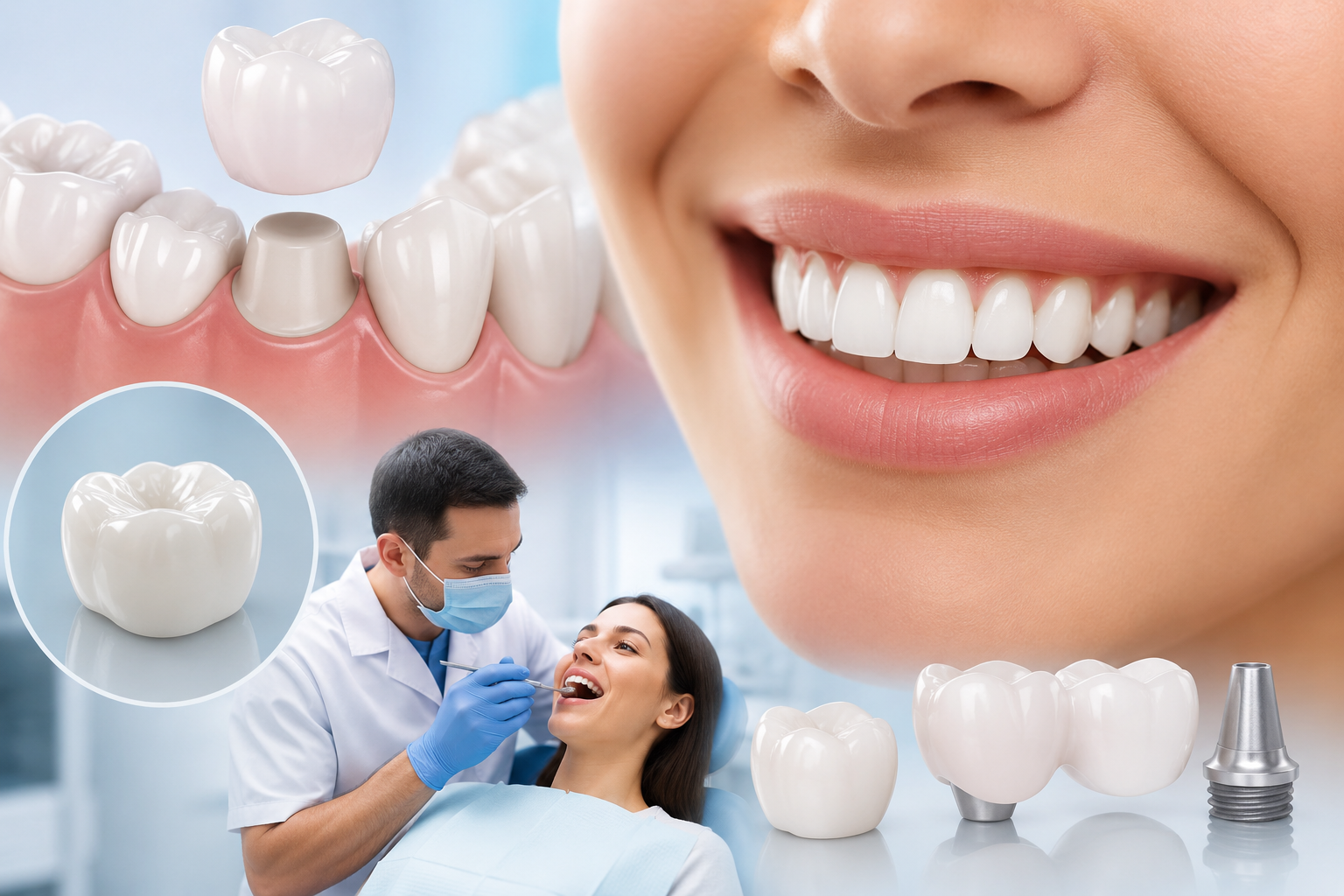
Dental Implants: A Comprehensive, Structured Approach to Tooth Replacement Dental implants have redefined the way missing teeth are replaced by focusing on restoring both function and structure rather than just appearance. Unlike traditional methods that depend on neighbouring teeth for support, implants are designed to work independently by integrating directly with the jawbone. This approach ensures stability, preserves surrounding teeth, and supports long-term oral health. By replacing the root as well as the visible portion of the tooth, implant dentistry offers a solution that closely resembles natural teeth in both performance and feel. Consulting a qualified Dentist in Kottayam ensures reliable treatment for restoring missing teeth with long-term stability and function  Hi-klean provides this with precision-driven care and advanced implant solutions. Table of Contents Concept of Implant-Based Tooth Replacement Structural Composition and Material Implant-Supported Restorative Options Full Mouth Rehabilitation with Implants Treatment Phases and Healing Process Functional Integration and Bone Preservation Long-Term Performance and Maintenance Conclusion FAQs Concept of Implant-Based Tooth Replacement A dental implant is a replacement for a missing tooth; however, there is much more to it than that. It replaces the tooth root, which is crucial for keeping the jaw healthy and providing proper function. When dealing with bridges in regular treatments, the two adjacent teeth have to be shaved to provide space for artificial crowns, whereas dental implants do not require any adjacent tooth to be shaved. This allows each tooth to function independently without affecting other teeth. It is important to highlight that this method provides excellent results when it comes to ensuring that your teeth remain straight and do not experience any additional pressure from neighbouring teeth. Structural Composition and Material The design of a dental implant is based on precision and compatibility with the human body. The implant itself is typically made of titanium, a material known for its strength and biocompatibility. Once placed in the jawbone, it gradually bonds with the bone through a natural biological process, creating a stable foundation. This integration allows the implant to support a prosthetic tooth such as a crown or bridge. The visible part of the restoration is carefully designed to match the shape, size, and colour of natural teeth, ensuring a seamless appearance. The combination of structural strength and aesthetic adaptability makes implants a reliable option for long-term tooth replacement. Implant-Supported Restorative Options Dental implants can be customized according to the amount of tooth loss, offering a flexible dental solution. If only one tooth is missing, only one dental implant can be installed, which supports a single crown that will replace the missing tooth, without having to affect neighboring teeth. If there is more than one tooth missing, implants can serve as supporting structures for bridgeworks. In cases where a patient has lost all of his or her teeth, dental implants can be used to stabilize dentures, offering a more permanent solution than traditional dentures. The use of dental implants offers flexibility when it comes to accommodating a variety of conditions, while still delivering consistent results. Full Mouth Rehabilitation with Implants When all the teeth are missing from the oral cavity, the implant system provides a systematic approach to restoring an individual’s entire set of teeth. An implant system offers a fixed denture that does not affect chewing capabilities and does not disrupt the sense of taste as compared to conventional removable dentures. An additional consideration includes the retention of bone in the oral cavity. In case of missing teeth, the bone resorbs due to lack of functionality, but implants contribute toward maintaining the bone mass through force transmission Treatment Phases and Healing Process The treatment process for dental implants is done in a step-by-step approach to ensure proper integration with surrounding tissues. First of all, the dentist places the implant in the jawbone using local anesthetic. The procedure is quite simple and is no different from any other oral surgery. Then, the implant is given time to heal and integrate itself with the jawbone. This process is crucial and may take several months, with individual differences for upper and lower jaws. After that, when the integration is complete, the artificial tooth is fixed to the implant to complete the rehabilitation process. Functional Integration and Bone Preservation The major benefits associated with dental implants include integration with the jawbone. Integration results in creating an immovable bond capable of supporting natural bite forces without any shifting. In contrast to dentures, implants do not move during eating and talking; therefore, patients may feel more confident while performing certain activities. Another advantage offered by integration concerns prevention of bone tissue atrophy. As a result of tooth loss, the bone starts to atrophy because there is no more stimulation from the teeth. Dental implants perform root-like functions and ensure preservation of jaw bone integrity, preventing its aging and deterioration. At HiKlean, we focus on precision-driven care, and We provides the best Dental implants service in Kottayam by ensuring proper implant placement and long-term stability through advanced techniques and careful planning. Long-Term Performance and Maintenance  Dental implants are designed for durability and long-term use. With proper care, they can function effectively for many years. Maintenance is similar to that of natural teeth, involving regular brushing, flossing, and routine dental check-ups. When considering dental implants treatment in Kottayam, it is important to understand that their longevity depends on factors such as oral hygiene, overall health, and adherence to professional care recommendations. When maintained properly, implants provide a stable and reliable solution that supports both function and aesthetics over time. Conclusion Dental implants represent a comprehensive solution for replacing missing teeth by restoring both structure and function. Their ability to integrate with the jawbone, preserve surrounding teeth, and provide long-term stability makes them a preferred choice in modern dentistry. The staged treatment process ensures proper healing and predictable outcomes, while the final restoration offers a natural look and feel. For those seeking advanced implant care with a focus on precision and patient-centered treatment, Hiklean Dental Clinic provides comprehensive dental solutions, making

Dental Implants: A Comprehensive, Structured Approach to Tooth Replacement Read More »

Teeth Whitening: A Professional Approach to Brighter Smiles

Teeth Whitening: A Professional Approach to Brighter Smiles Teeth whitening is the most advanced cosmetic dental procedure used to brighten up the natural color of the teeth without making any structural changes to them. Teeth usually become less bright because of various factors that cause changes in their color and due to the way an individual leads his or her life. The latest whitening technologies involve the use of medically-controlled methods, which help to improve tooth color safely and effectively. Table of Contents Concept of Teeth Whitening Causes of Tooth Discoloration Whitening Techniques and Methods Clinical Whitening Procedure Duration and Results Advantages of Professional Whitening Post-Treatment Care Conclusion FAQs Concept of Teeth Whitening Tooth whitening refers to the cosmetic dental process whereby the color of the teeth is changed by removing any discolorations from them. The whitening process involves the use of hydrogen peroxide that helps in lightening the shade of the natural color of the teeth. As opposed to the usual dental cleaning process, whitening involves deep penetration into the tooth structure to get rid of any discolored parts of the teeth but does not alter their natural structure. Causes of Tooth Discoloration Tooth discoloration occurs as a result of various factors both internally and externally. These factors include intake of coffee, tea, and food items that contain pigmentation properties. The other factors may be related to age or medication. Discoloration also occurs as a result of wear and tear that takes place on the surface of the teeth exposing the dentine layer below which appears as yellow in color. Whitening Techniques and Methods Whitening of the teeth can be achieved through various means based on clinical needs. In-office whitening uses high-concentration bleaching agents and possibly light or laser to achieve superior outcomes. Home whitening products like strips and trays provide slow but progressive results. Between the two options, whitening in the clinic yields faster results, making it an ideal choice for people who wish for immediate improvement at a reputable Hiklean Dental Clinic Kottayam. Clinical Whitening Procedure The whitening process entails a careful and well-controlled procedure to ensure the best results and safety. In the first step, the gums are isolated by placing a protective barrier. Next, the whitening agent is applied on the teeth surface, and in certain cases, special lighting is utilized. The active ingredients penetrate the enamel and break down stain molecules, resulting in a visibly lighter shade. The entire process typically takes less than an hour, depending on the method used and the level of discoloration. Duration and Results Whitening your teeth offers you great results within a relatively short amount of time, particularly when carried out in an office setting. Teeth whitening in Kottayam can produce different results based on the initial tooth shade, life-style habits, and proper maintenance. In most cases, the results can be long-lasting, lasting from several months up to years in some situations, provided proper care and follow-up treatments are taken into consideration. Although this procedure is highly successful, one must keep in mind that whitening is not a permanent solution and requires certain maintenance. Advantages of Professional Whitening Professional teeth whitening provides a controlled and predictable improvement in tooth color. It allows for precise application, reducing the risk of uneven results. The use of advanced techniques ensures that the whitening process is both efficient and safe under expert supervision, making it a reliable option for those seeking a teeth whitening service in Kottayam. Another key advantage is the ability to achieve noticeable brightness in a single session, which is not typically possible with over-the-counter products Post-Treatment Care Following the teeth whitening process, it takes regular care to maintain its effect. Staying away from food and drinks that cause stains, practicing oral hygiene and visiting dentists periodically will ensure the longevity of the whitening treatment’s effects. In certain situations, temporary sensitivity can be experienced; however, in no time does it go away. This, coupled with following advice from professionals, will guarantee successful and stable results. Conclusion Teeth whitening is a structured cosmetic treatment that enhances the natural appearance of teeth by removing stains and improving overall brightness. With controlled procedures and advanced techniques, it offers a safe and effective way to achieve a more refined smile. The combination of professional care and proper maintenance ensures lasting results and improved confidence. For expert care from a trusted Dentist in Kottayam, visit Hiklean Dental Clinic, a leading Dental Clinic in Kottayam known for precision-driven treatments. If you are considering improving your smile, explore advanced teeth whitening in Kottayam. Your perfect smile starts here! Book Now Get in touch with us Frequently Asked Questions 1. Is teeth whitening safe? Yes, when performed under professional supervision, teeth whitening is considered safe and effective. 2. How long do the results last? Results can last from a few months to a few years depending on lifestyle and maintenance. 3.Does whitening damage teeth? When done correctly, it does not damage enamel, though temporary sensitivity may occur. 4. Can all teeth be whitened? Whitening works on natural teeth and may not affect crowns, veneers, or fillings. 5. How long does the procedure take? Most in-office treatments are completed within 30 to 60 minutes.

Teeth Whitening: A Professional Approach to Brighter Smiles Read More »

 Restoring Smile Harmony with Composite Tooth Bonding: A Modern Cosmetic Approach

Restoring Smile Harmony with Composite Tooth Bonding: A Modern Cosmetic Approach Cosmetic dentistry today focuses on preserving natural tooth structure while improving smile aesthetics in a precise and minimally invasive way. Among the most widely used procedures for minor dental corrections, composite tooth bonding stands out for its simplicity, speed, and natural-looking results. It is designed to repair small imperfections such as chips, gaps, uneven edges, and surface discoloration without requiring extensive dental preparation or laboratory work. This procedure, unlike the complicated one, is done right in the office and provides instant results. Owing to its conservatism, it is deemed as a perfect starting point for cosmetic smile makeover. Understanding Composite Tooth Bonding Tooth bonding with composite resins entails the process of applying a tooth-colored dental composite material that is carefully shaped and bonded onto the patient’s tooth surface. The composite resins that will be used are durable and have an appearance similar to that of natural teeth in terms of color and texture. The material is then shaped appropriately and is hardened with the use of a special light in order to create a sturdy bond between the two. It is important to note that the main objective of the treatment is to make the teeth look good rather than replacing them Why This Treatment Is Commonly Chosen Many patients choose this option due to its efficiency and ease of application. It does not involve extensive tooth reduction, and in many instances, anesthesia is unnecessary. This therapy is usually suggested to people with minor cosmetic imperfections that need a solution fast. Those interested in getting an immediate cosmetic boost before a special event can find this therapy appealing. Step-by-Step Clinical Process The process starts by carrying out a thorough examination of the patient’s teeth and the problems they are facing regarding aesthetics. After agreeing on the treatment plan, the teeth will be slightly prepared to ensure adequate bonding. The next step involves applying the conditioning agent which enables the resin to bond effectively. The composite material is subsequently applied layer by layer in the required shape. Once it assumes the right shape, the composite filling is cured using a curing light and the filling is attached properly to the tooth. Polishing will then be done to ensure the tooth looks exactly like other teeth around it. The whole process is normally carried out within one dental appointment. Clinical Applications of Tooth Bonding This procedure can be applied in various situations within cosmetic dentistry. The method is effective in correcting chipped or cracked teeth, sealing gaps between teeth, shaping teeth that appear oddly, and treating mildly stained teeth. The method is also applied in situations where there is an exposure of the roots because of receding gums.Due to the method’s versatility, it may be viewed as having multiple uses Durability and Expected Results The lifespan of composite bonding relies on one’s oral hygiene habits. Properly maintained, this procedure will last for several years and retain its natural appearance. But it should be noted that this procedure does not have as much strength as porcelain or natural teeth. Eventually, it can suffer from wear or discoloration, particularly when exposed to bad habits, such as regularly drinking staining liquids or chewing on tough substances. Nonetheless, this procedure has proven itself to be a trustworthy choice. Advantages of Composite Bonding One of the key advantages of this treatment is its minimally invasive nature. It preserves most of the natural tooth structure, making it a conservative option compared to other cosmetic procedures. It also provides immediate results, as the entire transformation is completed in a single appointment. The aesthetic outcome is highly natural due to the ability to match the resin precisely with the surrounding teeth. Additionally, it is cost-effective compared to more advanced restorative options, making it accessible to a wider range of patients, especially for those seeking dental bonding treatment in Kottayam. Limitations to Consider While effective, composite bonding does have certain limitations. It is not suitable for major structural damage or severe misalignment cases. Consulting a trusted dental hospital in Kottayam helps in determining whether this treatment is the right option based on individual dental conditions. The material may be prone to staining over time and may require periodic maintenance or replacement depending on wear. It is also less durable compared to porcelain restorations in high-pressure biting areas. Understanding these limitations helps in setting realistic expectations before treatment. Maintenance and Care Guidelines Proper maintenance plays an important role in extending the lifespan of bonded teeth. Regular brushing and flossing help maintain surface cleanliness and prevent staining.  It is advisable to avoid habits such as nail biting, chewing on hard objects, or excessive consumption of stain-causing foods and beverages. Routine dental check-ups allow early detection of any wear and help maintain long-term results. With good oral care, bonded restorations can maintain their appearance and function effectively over time, particularly when supported by Hiklean dental bonding service in Kottayam. Conclusion Composite tooth bonding is a practical and conservative cosmetic dental procedure that enhances smile aesthetics by correcting minor imperfections with precision and efficiency. Its ability to deliver immediate results while preserving natural tooth structure makes it a widely preferred choice in modern cosmetic dentistry. For individuals seeking professional evaluation and treatment, dental bonding in Kottayam offers reliable cosmetic solutions tailored to individual needs. Patients can consult a trusted clinic for safe and effective smile enhancement procedures. Refine your smile with confidence today! Contact Now Get in touch with us Frequently Asked Questions 1. What is composite tooth bonding used for? It is used to correct minor cosmetic issues such as chips, gaps, uneven edges, and mild discoloration of teeth. 2. Is the bonding procedure painful? No, the procedure is generally painless and usually does not require anesthesia unless it is used for decay treatment. 3. How long does dental bonding last? With proper care, composite bonding can last several years, depending on oral habits and maintenance. 4. Can bonded teeth look natural?

 Restoring Smile Harmony with Composite Tooth Bonding: A Modern Cosmetic Approach Read More »

Do Clear Aligners Affect Speech? What Patients Should Know

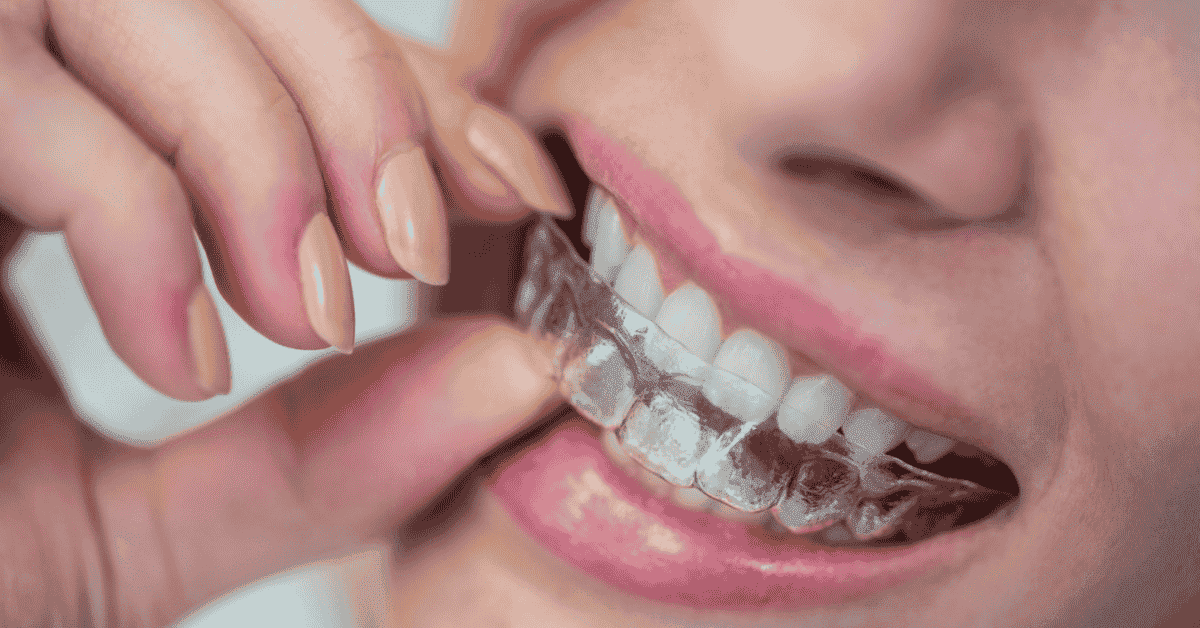
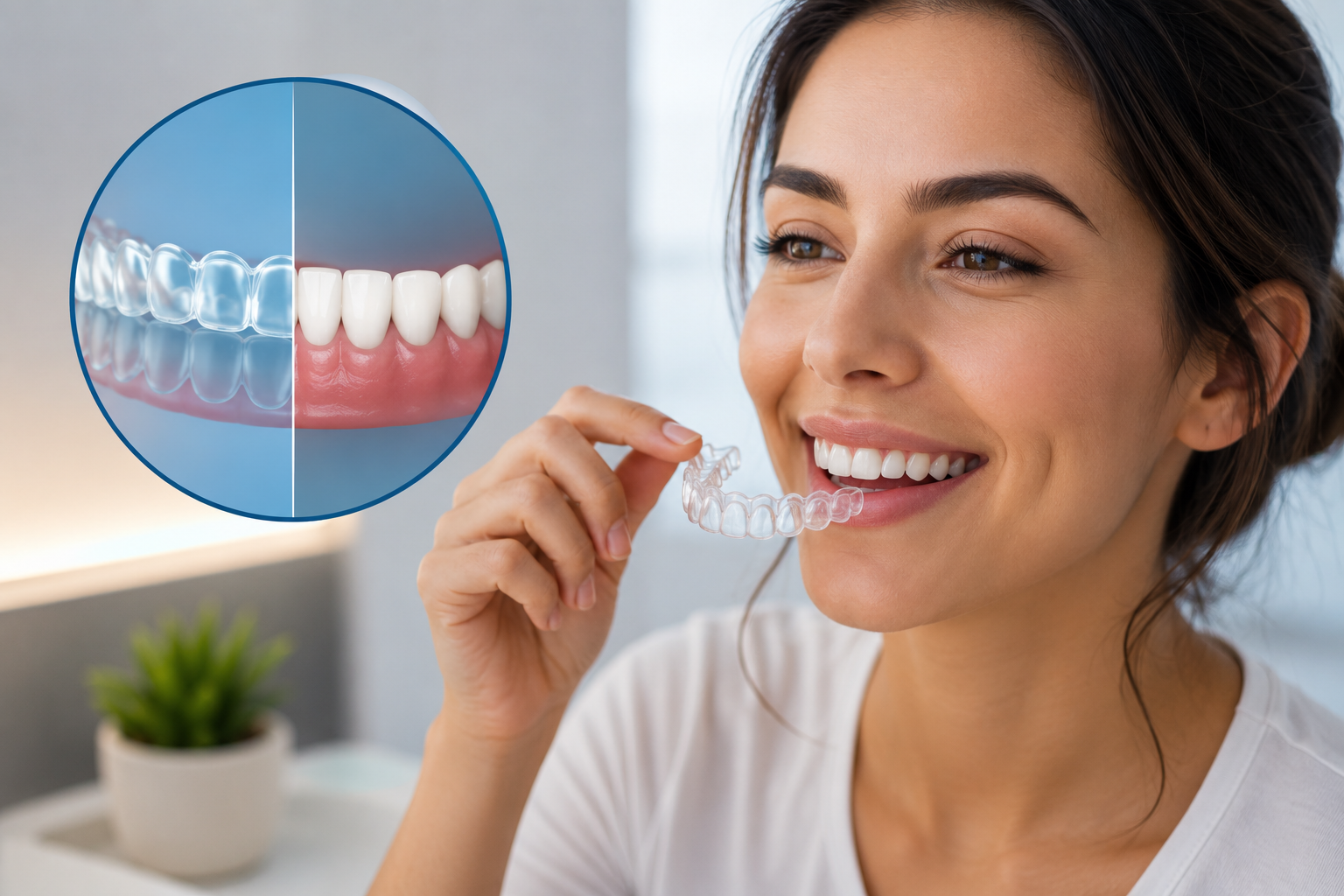
Do Clear Aligners Affect Speech? What Patients Should Know Considering clear aligners like Invisalign for a better smile?  But worried that Invisalign would make you sound different when you speak? Concerns regarding the influence of clear aligners on speech and confidence are widespread, particularly among people who participate in conversations or public speaking. This orthodontic procedure is known for its subtle appearance, which involves progressively straightening teeth with an almost invisible appearance, and presents concerns regarding effective communication in both personal and professional settings.  This blog particularly tackles these issues, explaining how clear aligners work and the expected changes in our pronunciation, debunking common myths, and providing insights and tips into the realities of wearing these clear aligners, while assuring readers that such concerns are widespread. Content Of Table Why Invisalign Might Affect Speech at First? How Long Does It Take to Adjust Tips to Reduce Clear Aligners Speech Impediment Do Clear Aligners Cause Long-Term Changes in Speech Patterns Conclusion FAQ Why Invisalign Might Affect Speech at First? Before delving into the impact of speech, Invisalign treatment consists of custom-made, clear aligners that gradually reposition teeth. The aligners should be worn for 20 to 22 hours daily and are changed approximately every one to two weeks. When first using Invisalign, individuals may undergo an adjustment phase as their mouths become accustomed to the plastic aligners, which can affect airflow and pronunciation of sounds such as “z” and “s.” Some may notice a slight lisp or affect normal speech, while others may not perceive any changes. However, the issue is often small enough that it goes unnoticed by others. This process is akin to breaking in new shoes, with the tongue needing time to adapt to the altered dental shape. Patients may initially find that sounds such as “t,” “d,” and “n” are affected due to the need for precise tongue placement. However, the adjustment to speaking with Invisalign aligners is typically quick, with many in invisible braces treatment in Kottayam surprised by how soon they return to normal speech. The aligners are much thinner than traditional braces, leading to a shorter adjustment period as the brain and mouth adapt to the subtle changes. How Long Does It Take to Adjust? Most individuals require three to seven days to adjust their speech after starting Invisalign treatment, although some may adapt almost immediately. The best dental clinic in Kottayam observes that those who frequently engage in speaking tend to adjust more rapidly due to increased practice with the aligners. Factors affecting this adjustment include individual speech patterns, the complexity of dental alignment, and the extent of teeth movement required. While some patients may take up to two weeks to feel comfortable speaking, this duration is considered normal and not a concern.  To speed up this process, reading aloud and conversing with others can be beneficial. While the urge to remove aligners to speak normally is tempting, it may hinder treatment progress. Adjustment time varies, with some adapting within hours and others needing weeks, and changes may become easier with each new set of aligners. Professionals, such as speakers and teachers, often have heightened anxiety regarding this transition; thus, clear aligner treatment in Kottayam assists many in scheduling their treatment to reduce interference with significant events and presentations. Tips to Reduce Clear Aligners Speech Impediments Clear aligners generally do not cause long-term negative speech changes; these effects are extremely rare and dissipate quickly after treatment. Positive long-term changes in speech are quite common due to several factors: Straightened teeth enhance tongue movement, improving sound articulation. Correctly aligned bites improve overall oral function, addressing issues like overbites and underbites. Increased speech awareness during treatment leads to clearer enunciation. Enhanced self-confidence from a straighter smile boosts articulation. Improved jaw positioning aids resonance and sound clarity. Better oral posture decreases mumbling and enhances voice projection. While there may be a temporary adjustment in speech, the overall outcome is often clearer and more confident speaking.Professionals concerned about speech adjustments can seek tailored treatment timing to minimize disruptions during important events. Do Clear Aligners Cause Long-Term Changes in Speech Patterns? The adjustment period for Invisalign is generally brief, with speech differences being temporary and diminishing with practice. Users’ mouths and tongues adapt over time, facilitating clearer speech. Engaging in reading aloud or conversing with others can expedite this adjustment.  While it may be tempting to remove aligners to speak normally, doing so can hinder treatment progress. Adjustment durations vary; some may adapt in hours or days, while others could take weeks. Transitioning to new aligners may cause minor speech changes, but adaptation tends to become easier with each new set of clear aligners in Kottayam.  Invisalign provides numerous long-term benefits that surpass any brief adjustment period. It not only enhances aesthetics but also improves bite, reduces enamel wear, and facilitates better oral hygiene.  While some users may experience minor speech changes initially, these are usually temporary, and with practice, most regain their normal speech quickly. The overall improvements in function, health, and confidence are significant. Conclusion The use of clear aligners may initially cause speech difficulties due to alterations in tongue placement and airflow; however, patients adapt to the change and adjust quickly and regain normal speech. Caution is advised in interpreting these findings, and further well-designed randomized trials are needed to evaluate the long-term effects of aligners on speech.  Many patients express concerns about how clear aligners might impact their speech, commonly noting slight changes when they first begin using them. ie, some individuals may develop a mild lisp when articulating “s” or “sh” sounds while using clear aligners. This condition is often temporary, with most people adapting within days to weeks.  To address speech changes, practice is essential; methods such as reading aloud, repeating challenging words, or conversing can expedite the adaptation process. These adjustments are due to the aligners creating a thin covering over the teeth, temporarily affecting tongue positioning and airflow during speech production. To explore how clear aligners can enhance your smile

Do Clear Aligners Affect Speech? What Patients Should Know Read More »

How Much Can You Save with Dental Tourism? Real Cost Comparisons

How Much Can You Save with Dental Tourism? Real Cost Comparisons You are not alone if you are sitting in a dental office in the US, Canada, or any other well developed nations and looking at a bill for full mouth work, an implant, or a crown. Because crowns, implants, and complete mouth work are so expensive, many individuals are looking into dental tourism. Rising expenditures in developed countries, advantageous exchange rates, and cheaper living expenses in well-liked locations are the main drivers of this trend. The sector has grown tremendously as a result of millions of people choosing to receive high-quality dental care abroad at far lower costs. Dental tourism offers affordable and high-quality dental care, surprising many with the value available in various destinations. Instead of focusing solely on cost, it is crucial to take into account the full package, which includes treatment quality, accessibility, follow-up procedures, and clinic selection. Many foreign clinics provide care that is on par with that in Western countries by utilizing cutting-edge technology and premium materials. These clinics are able to offer excellent care at lesser costs while maintaining high standards because of the lower cost of living. Table of contents What Is Dental Tourism? Why are people looking for dental work abroad? How to Choose the Best Country for Dental Work? Dental Implants – Cost Comparison  INR v/s USD Factors to Consider Before You Book Dental Work Abroad Conclusion FAQ What Is Dental Tourism? Dental tourism allows individuals to travel overseas for dental care while saving significantly. It is a type of medical tourism in which individuals seek high-quality dental care for a fraction of the price they would spend at home. The dental tourism industry has grown dramatically in recent years. Patients from several Western countries now commonly go to India, Thailand, Philippines, and Malaysia for dental implants and full smile makeovers. Countries such as India and Thailand have emerged as major centers for this expanding tourist industry. Why are people looking for dental work abroad? Dental tourism is simply traveling to another nation to have treatment that is less expensive or accessible sooner than at home. When it comes to big-ticket treatments like implants, All-on-4, or complete mouth reconstruction, the cost may quickly approach tens of thousands of dollars. Likewise, insurance policies may limit or prohibit significant restorative or cosmetic surgeries. Dental tourism is popular because it is affordable, convenient, and provides access to high-quality care. Individuals seek more cheap treatments overseas due to high dental prices in their native country and a lack of insurance choices. Many nations have lower living and clinic running costs, allowing dentists to give treatments at lower prices without sacrificing quality. One example is India. Destinations that cater to overseas customers frequently feature dental tourism clinics in Kerala and services intended for tourist comfort. However, affordability should not overwhelm the need for safe, dependable treatment and post-care support. To guarantee excellent care while receiving dental procedures overseas, patients must confirm that facilities adhere to local and international safety requirements and verify professional certifications. How to Choose the Best Country for Dental Work? Before choosing dental treatment overseas, consider the following factors:  Quality of Care: Look for clinics with international accreditations, English-speaking personnel, and sophisticated facilities that use major implant brands such as Straumann or Nobel Biocare.  Cost: Compare prices and obtain detailed quotes that cover all fees, as costs can vary based on the type of dental work and country. Travel Proximity: European patients may prefer adjacent nations such as India, Turkey, or Malaysia, but Australians frequently go to Thailand for shorter trips.  Tourism Value: Combine dental care with a vacation experience in Kerala, where you may enjoy accommodations, cuisine, and culture. Dental Implants – Cost Comparison INR v/s USD If you’re considering dental treatment in India, you’re probably wondering: What could be the cost in India? India has become one of the most popular destinations for affordable, high-quality dental implants. While pricing varies depending on the complexity of the treatment and the materials used, most patients in 2026 can expect the following average price range for the treatments listed below, shown in INR and USD. Factors to consider before You Book Dental Work Abroad Choosing a reputable dental clinic abroad demands significant study.  Confirm the clinic’s expertise and accreditations.  Authenticate the dentist’s qualifications and experience using internet resources.  Contact the clinic to confirm the availability of your selected treatments. Examine patient testimonies and assess the clinic’s facilities and technology.  Ensure post-treatment care provisions and evaluate any language obstacles to successful communication.  Inquire about infection control requirements and get a detailed cost breakdown and schedule for the process. Familiarize yourself with the local legal system, and seek legal patient insurance for further protection. Conclusion Dental tourism offers a cost-effective solution for dental procedures paired with a holiday. People need to evaluate risks thoroughly before moving forward. Dental clinics in Kottayam are notable for dental care, providing 30–70% savings on treatments while maintaining high quality.  Hi Klean Dental Clinic offers exceptional care from English-speaking personnel and adaptable payment options, making high-quality treatments accessible. Patients gain from financial savings, high-quality service, and an attractive recovery environment. To discover budget-friendly dental alternatives, it’s essential to evaluate clinic outcomes, patient reviews, and treatment strategies. This explains why US and Canadian patients frequently choose India, especially in locations such as Kerala to fit into that bigger picture. Considering dental tourism in Kerala? Get in touch with us Frequently Asked Questions 1. Is dental tourism safe today? Yes, when treatment plans are clearly laid out and clinics are carefully assessed. Usually, risk results from rushed decisions or inadequate research. What should I do if I have complications after getting dental treatment abroad? First, take care of any urgent medical issues locally, document everything, and notify the clinic as soon as possible in writing. How should I handle language barriers when getting dental treatment abroad? Specify who will communicate with you during each visit. How much can dental tourism actually

How Much Can You Save with Dental Tourism? Real Cost Comparisons Read More »

Scroll to Top