
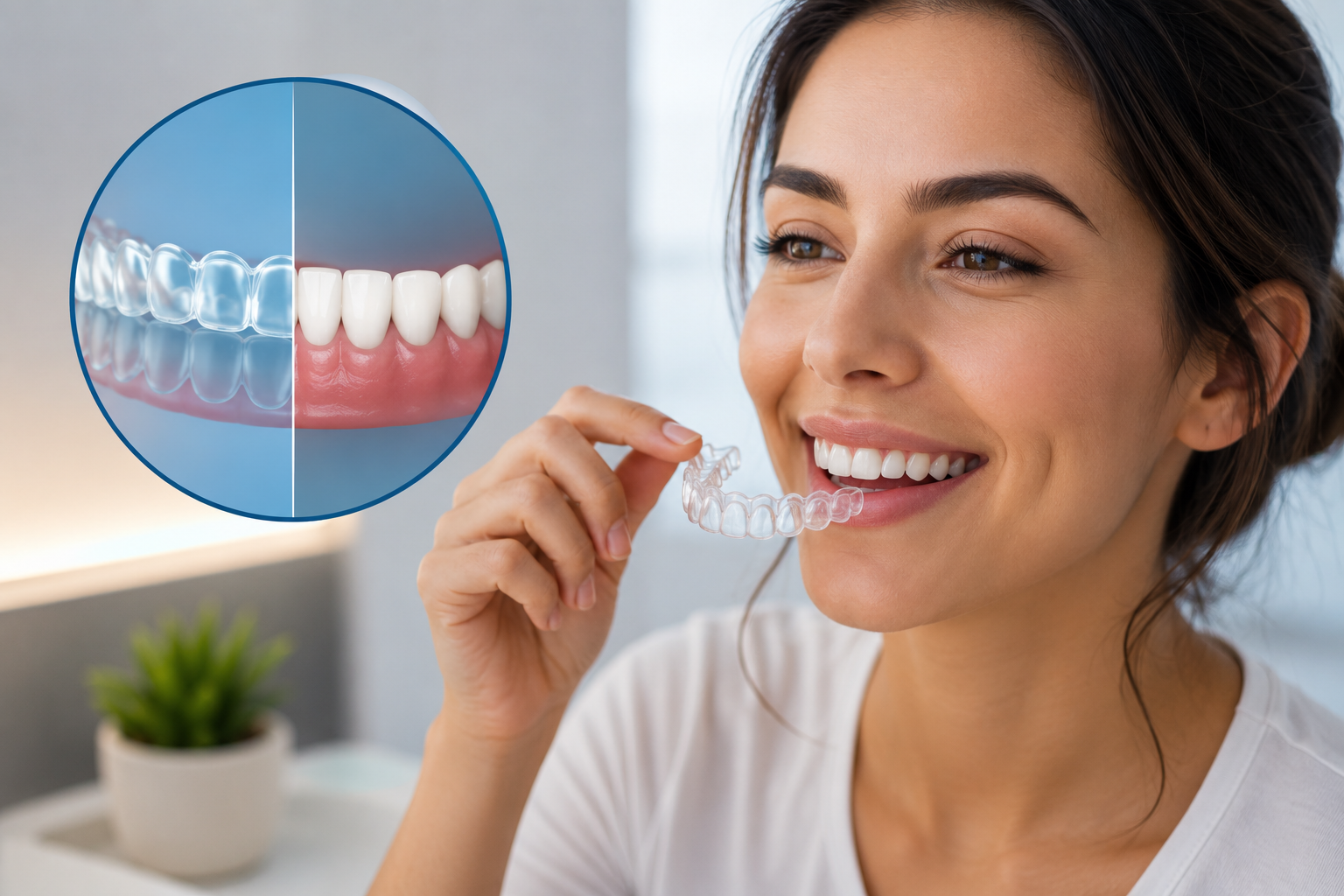
Why Compliance Matters: Wearing Aligners for the Recommended Hours
Clear aligner therapy has transformed orthodontic treatment by offering a discreet and comfortable alternative to conventional braces. Unlike fixed orthodontic appliances, clear aligners are removable, giving patients greater flexibility during meals, oral hygiene routines, and special occasions. However, this convenience also introduces a significant responsibility patient compliance. The success of aligner therapy depends not only on the quality of the aligners or the treatment plan but also on how consistently they are worn.
Every aligner is designed to move teeth through a sequence of controlled, biologically guided movements. These movements occur only when gentle and continuous force is applied for the prescribed duration. Removing aligners too frequently or failing to wear them for the recommended hours interrupts this process, potentially leading to delayed treatment, poor tooth tracking, and compromised outcomes.
Understanding why compliance matters can help patients achieve efficient treatment, predictable tooth movement, and long-term orthodontic stability.
Table of Contents
- Understanding How Clear Aligners Move Teeth
- Why Wearing Aligners for the Recommended Hours Is Essential
- What Happens When Aligners Are Removed Too Often?
- Biological Principles Behind Tooth Movement
- Common Reasons for Poor Compliance
- Clinical Consequences of Inadequate Wear Time
- Practical Strategies to Improve Compliance
- Monitoring Progress During Treatment
- Maintaining Results After Treatment
- Conclusion
- Frequently Asked Questions
Understanding How Clear Aligners Move Teeth
Clear aligners are custom-fabricated orthodontic appliances designed using digital treatment planning. Each aligner represents a specific stage of tooth movement and applies carefully controlled pressure to selected teeth.
Unlike traditional braces, where forces are continuously active, aligners are effective only while they remain in the mouth. Every hour they are removed reduces the amount of time those corrective forces are working.
Patients beginning treatment with the best dentist in kottayam typically receive a personalized wear schedule based on the complexity of their orthodontic needs and treatment objectives.
Why Wearing Aligners for the Recommended Hours Is Essential
Most orthodontists recommend wearing clear aligners for 20 to 22 hours per day. This allows sufficient time for the periodontal ligament and surrounding bone to respond to the controlled orthodontic forces.
Consistent wear supports:
- Predictable tooth movement
- Proper aligner fit
- Efficient progression through treatment stages
- Reduced treatment delays
- Improved final alignment
Even small reductions in daily wear time can accumulate over weeks and significantly influence treatment outcomes.
The Biology Behind Tooth Movement
Orthodontic tooth movement is a biological process rather than a mechanical one.
When an aligner applies gentle pressure:
- Bone begins to remodel around the tooth.
- Cells called osteoclasts remove bone from one side.
- Osteoblasts rebuild bone on the opposite side.
- The tooth gradually moves into its planned position.
This biological response depends on continuous force. Frequent interruptions caused by prolonged aligner removal reduce the effectiveness of this remodeling process, slowing tooth movement.
What Happens When Aligners Are Removed Too Often?
One of the most common causes of delayed orthodontic treatment is inconsistent aligner wear.
Possible consequences include:
Poor Tooth Tracking
Teeth may fail to move according to the digital treatment plan, causing the aligner to no longer fit accurately.
Increased Treatment Duration
Missed wear time often requires extending treatment beyond the original estimate.
Additional Refinement Aligners
Dentists may need to create new digital scans and fabricate extra aligners to correct incomplete tooth movements.
Increased Orthodontic Costs
Additional refinement stages may increase treatment complexity and associated costs.
Reduced Treatment Predictability
The final smile may not achieve the originally planned alignment without corrective intervention.
Patients undergoing clear aligner treatment are routinely monitored to ensure tooth movement remains consistent with the digital treatment plan.
Why Compliance Is More Important Than Many Patients Realize
Unlike fixed braces, clear aligners depend entirely on patient participation.
Treatment success is influenced by:
- Daily wear duration
- Timely aligner changes
- Proper insertion and removal
- Good oral hygiene
- Attendance at review appointments
The aligners themselves cannot compensate for inconsistent wear. Patient commitment remains one of the most significant predictors of successful treatment.
Common Reasons Patients Do Not Wear Aligners Enough
Several lifestyle factors contribute to reduced compliance.
Forgetting to Replace Aligners
Patients sometimes leave aligners out after meals or brushing.
Frequent Snacking
Repeated eating throughout the day increases the amount of time aligners remain out of the mouth.
Social Events
Some patients remove aligners during meetings, celebrations, or photographs and forget to replace them promptly.
Speech Adjustment Concerns
Although most patients adapt quickly, initial speech changes may lead some individuals to remove aligners unnecessarily.
Travel and Busy Schedules
Changes in daily routine can disrupt consistent wear habits.
Recognizing these challenges early allows patients to develop better routines that support treatment success.
Strategies to Improve Aligner Compliance
Maintaining the recommended wear time becomes easier with simple daily habits.
Establish a Routine
Replace aligners immediately after eating and brushing.
Use Digital Reminders
Mobile reminders or dedicated orthodontic apps help track wear time.
Carry a Protective Case
Always store aligners safely when removed to reduce the risk of loss or damage.
Minimize Unnecessary Removal
Only remove aligners for eating, drinking beverages other than water, brushing, and flossing.
Follow the Prescribed Schedule
Do not advance to the next aligner earlier or later than instructed without professional advice.
Patients receiving clear aligner in kottayam are often provided with detailed instructions to help maintain consistent compliance throughout treatment.
Monitoring Treatment Progress
Regular orthodontic reviews allow the dentist to evaluate whether teeth are moving as planned.
During follow-up visits, the dentist assesses:
- Aligner fit
- Tooth tracking
- Oral hygiene
- Attachment stability
- Bite changes
- Patient compliance
If movement is progressing appropriately, patients continue with the planned sequence of aligners. If discrepancies develop, treatment adjustments may be recommended before significant delays occur.
The Role of Invisible Braces in Modern Orthodontics
Clear aligners have become an increasingly popular orthodontic solution because they combine aesthetics with clinical effectiveness. However, their removable design requires greater patient responsibility than fixed appliances.
Patients choosing invisible braces treatment in kottayam benefit from advanced digital planning and customized aligners, but consistent wear remains essential for achieving the desired orthodontic outcome within the expected treatment period
Maintaining Results After Treatment
Completing aligner treatment is only one stage of orthodontic care. To preserve alignment, patients are generally advised to:
- Wear retainers as prescribed.
- Attend periodic review appointments.
- Maintain excellent oral hygiene.
- Replace damaged retainers promptly.
- Avoid habits that may place excessive pressure on teeth.
Long-term retention helps prevent relapse and preserves the corrected tooth positions.
Conclusion
The success of clear aligner treatment requires much more than just technology and custom-designed treatments. Compliance is the key element that determines how effectively the teeth will move throughout the process. Patients wearing their aligners for the appropriate number of hours will have constant biological changes taking place and their treatments will be efficient and without complications.
Patients that respect the recommendations given by professionals and come to their scheduled checkups are much more likely to get successful treatment outcomes, as they understand the significance of complying with the rules from the very start of their treatment period.