Common Dental Problems in Older Adults and How to Prevent Them
Many transformations take place as a person ages, including changes that affect the oral health. Older adults are more prone to such conditions as cavities, periodontal diseases, mouth dryness, tooth loss, sensitivity and other similar conditions. All of these disorders are capable not only of affecting oral health, but also some other aspects of their lives such as eating and talking.
With regular dental check-ups, good oral hygiene, balanced diet and timely treatment, most of the dental problems can be prevented or managed easily. This guide focuses on the most common dental problems among older adults, their causes, ways to prevent them, and when to visit the dentist.
Table of Contents
- Common Dental Problems in Older Adults
- Tooth Decay and Cavities
- Gum Disease
- Dry Mouth
- Tooth Sensitivity
- Tooth Loss
- Denture-Related Problems
- Oral Infections
- Oral Cancer
- Difficulty Maintaining Oral Hygiene
- How Older Adults Can Prevent Dental Problems
- Importance of Regular Dental Check-Ups
- Conclusion
- FAQ
Common Dental Problems in Older Adults
As people age, changes in saliva production, medications, general health, diet, and oral hygiene can increase the risk of dental problems. Some common concerns include:
- Tooth decay and cavities
- Gum disease
- Dry mouth
- Tooth sensitivity
- Tooth loss
- Denture problems
- Oral infections
- Difficulty chewing
- Worn or damaged teeth
- Root decay
- Oral cancer
- Bad breath
Understanding these problems early can help older adults take preventive measures and receive appropriate treatment.
Tooth Decay and Cavities
Tooth decay is amongst the most prevalent dental problems faced by older patients. Tooth cavities can occur when acid created by bacteria found within the mouth wears away the tooth’s enamel.
Another problem that older individuals may face includes root decay. Due to receding gums caused by aging or periodontal disease, the tooth root becomes exposed and may be susceptible to decay since it lacks enamel protection.
How to Prevent Tooth Decay
- Brush twice a day with fluoride toothpaste.
- Floss and use interdental cleaner daily.
- Avoid snacking on sugary items and beverages.
- Take in sufficient water intake during the day.
- Avoid taking frequent consumption of acidic foods and beverages.
- Have regular visits to the dentist.
- Inquire from your dentist regarding fluoride treatments if you have a high risk of tooth decay.
Early treatment of cavities can help prevent more extensive procedures and preserve natural teeth.
Gum Disease
Gum disease, also known as periodontal disease, becomes an important concern as people get older. It can begin with plaque buildup and inflammation of the gums. If left untreated, it may progress and affect the tissues and bone supporting the teeth.
Common Signs of Gum Disease
- Red or swollen gums
- Bleeding while brushing or flossing
- Persistent bad breath
- Receding gums
- Loose teeth
- Changes in the way dentures fit
- Pain or discomfort while chewing
Prevention
Maintaining proper oral hygiene is very important in preventing gum disease. The older generation needs to be careful while brushing their teeth twice a day, flossing, and visiting dentists on a regular basis for their checkups and cleaning.
Those people who already have gum disease need periodontal treatment and visit dentists more often.
Dry Mouth
A dry mouth, known medically as xerostomia, is a very prevalent condition amongst older adults. It may, at times, have a connection with medicines for treating diseases such as hypertension, allergy, depression, or some other health issue.
Saliva helps in the protection of teeth, washing out food residues from the mouth, and maintaining good oral hygiene. Hence, having less saliva results in the likelihood of tooth decay and other mouth problems.
Tips for Managing Dry Mouth
- Drink plenty of water.
- Ask your dentist for saliva substitutes and/or moisturising mouth products.
- Reduce caffeine and alcohol intake.
- Quit smoking and any other tobacco products.
- Use sugarless gum if necessary to promote saliva flow.
- Get routine dental checkups.
If dry mouth persists, discuss it with your dentist and healthcare provider.
Tooth Sensitivity
Older adults may experience tooth sensitivity due to gum recession, enamel wear, exposed tooth roots, cavities, or other dental problems. Sensitivity may occur when consuming:
- Hot foods
- Cold drinks
- Sweet foods
- Acidic foods
- Very cold or hot beverages
How to Reduce Sensitivity
Using a soft-bristled toothbrush and brushing gently can help prevent further enamel and gum damage. A dentist may also recommend desensitising toothpaste or other treatment depending on the underlying cause.
Persistent sensitivity should not simply be ignored because it may sometimes indicate decay, cracks, or other dental conditions requiring treatment.
Tooth Loss
There are many reasons why tooth loss happens; it could be due to unaddressed cavities, advanced periodontal disease, trauma to the mouth, or any other problem with the teeth. Tooth loss makes eating and communicating challenging and may also alter the appearance of your face.
There are different types of tooth replacement procedures available, depending on one’s oral health condition. Among these, there are dental implants, bridges, removable partial dentures, and full dentures.
Denture-Related Problems
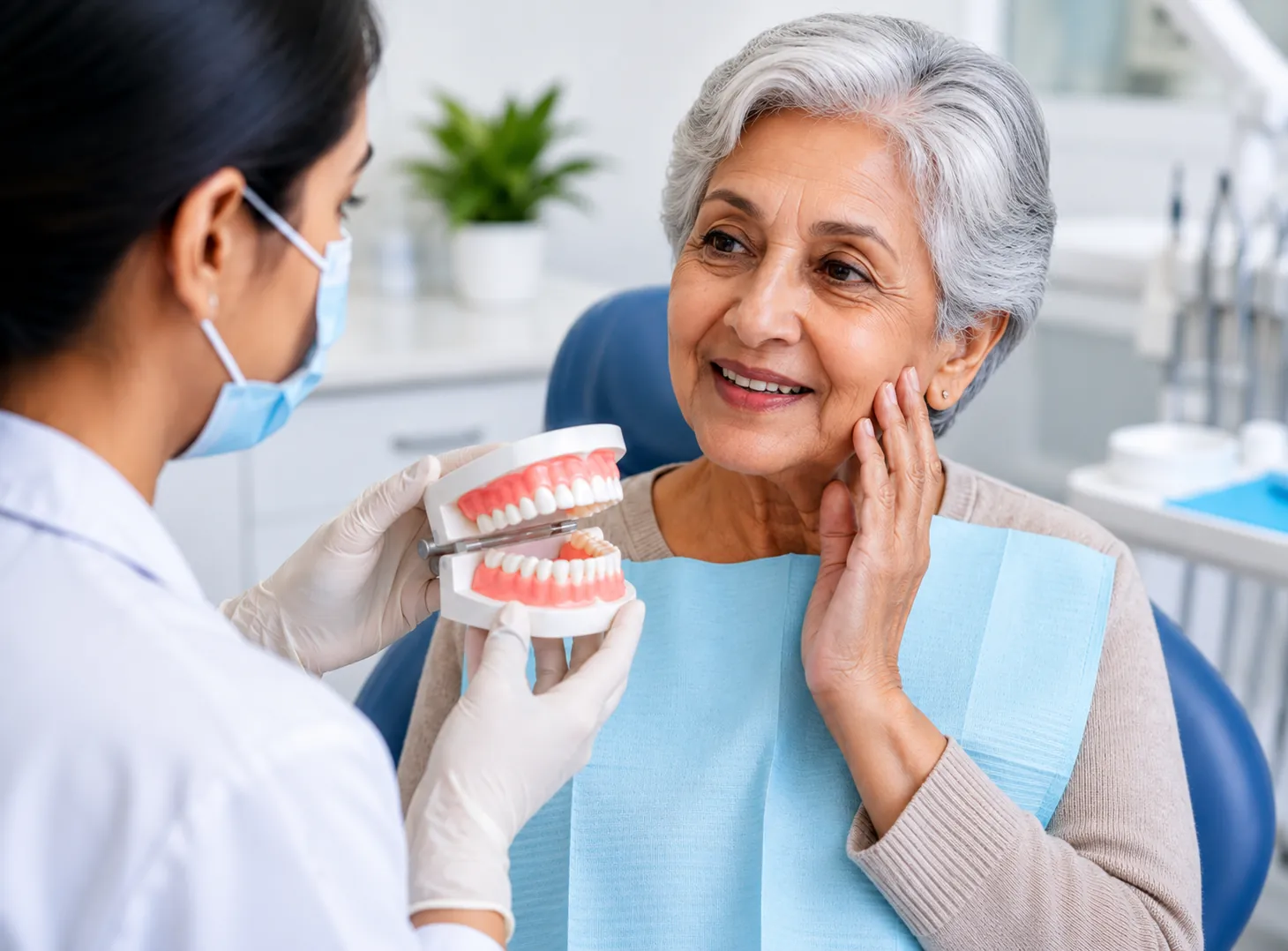
Dentures can be an effective solution for people who have lost some or all of their natural teeth. However, poorly fitting or improperly maintained dentures can cause discomfort and oral health problems.
Common Denture Problems
- Gum irritation
- Sore spots
- Difficulty chewing
- Denture slipping
- Bad breath
- Oral infections
- Changes in speech
Denture Care Tips
- Clean dentures every day using a recommended denture cleanser.
- Rinse dentures after meals when possible.
- Clean your gums, tongue, and remaining natural teeth.
- Handle dentures carefully to prevent damage.
- Store dentures properly when they are not being worn.
- Follow your dentist’s instructions regarding wearing dentures overnight.
- Have dentures checked if they become loose or uncomfortable.
Dentures may need adjustment or replacement over time as the shape of the gums and supporting tissues changes.
Oral Infections
The elderly can be at higher risk of getting oral infections especially if they suffer from dry mouth conditions, have dentures, difficulty keeping good oral hygiene practices, or have taken specific medications.
Oral thrush and other fungal infections can lead to the development of white patches, redness, pain, or irritation.
Proper oral hygiene, correct denture cleaning, dry mouth management, and routine dental examinations can prevent the occurrence of infections.
Unusual patches, prolonged soreness, swelling, and any changes in the mouth that fail to improve should be evaluated by a professional.
Oral Cancer
The risk of oral cancer can increase with age. Early detection is important because treatment outcomes are generally better when suspicious changes are identified at an early stage.
Warning Signs to Watch For
- A sore that does not heal
- Persistent mouth pain
- Unexplained bleeding
- Red or white patches
- A lump or thickened area
- Difficulty swallowing
- Persistent hoarseness
- Unexplained numbness
- Changes in the way dentures fit
These symptoms do not necessarily mean cancer, but persistent or unusual changes should be examined by a dental professional.
Regular dental examinations can include an assessment of the mouth ,oral tissues and surrounding structures for suspicious changes.
Difficulty Maintaining Oral Hygiene
Physical limitations, reduced dexterity, memory-related difficulties, or other age-associated challenges can make daily oral hygiene harder for some older adults. Caregivers and family members can provide practical support when necessary.
Helpful Strategies
- Use a toothbrush with a comfortable, easy-to-hold handle.
- Consider an electric toothbrush if it is easier to use.
- Use floss holders or interdental brushes.
- Keep oral hygiene products within easy reach.
- Establish a consistent morning and evening routine.
- Help with brushing when an older adult cannot clean their teeth effectively or switch to an electric toothbrush.
- Schedule dental appointments regularly.
Maintaining independence is important, but assistance should be provided whenever daily oral care becomes difficult.
How Older Adults Can Prevent Dental Problems
Prevention is one of the most effective ways to maintain oral health throughout later life.
Brush Teeth Twice Daily
Brush your teeth twice daily using toothpaste containing fluoride. Use a soft-bristled brush and brush gently.
Clean Between Teeth
Just brushing your teeth will not clean all spaces between teeth. Using floss, interdental brushes, or any other tool recommended by the dentist can assist in removing plaque from these areas.
Maintain a Healthy Diet
A healthy diet helps promote both good oral and general health. Minimize your intake of sugary food and drinks.
Stay Hydrated
Consuming enough water can assist in keeping your mouth moist, especially if you have dry mouth.
Do Not Smoke
Smoking tobacco increases your risk of having gum disease, tooth decay, and mouth cancers. Smoking is a big part of oral health maintenance.
Manage Any Health Problems You Have
Certain medical conditions and certain medications can influence oral health. Make sure you inform your dentist about your medications and any health problems you have so that proper dental care can be provided.
Visit the Dentist Regularly
Routine visits enable the dentist to detect cavities, gum diseases, infections, oral lesions, and many other problems early on
Geriatric Dental Care for Healthy Aging
Geriatric dentistry focuses on the unique dental needs of older adults. Treatment may involve preventive care, gum disease management, restorative dentistry, dentures, tooth replacement, and ongoing monitoring of oral health.
If you are looking for Geriatric Dentistry in Kottayam, professional care can help older adults maintain comfortable, functional, and healthy smiles. A personalised dental evaluation is especially valuable for seniors who have multiple dental concerns, take several medications, wear dentures, or have difficulty maintaining daily oral hygiene.
Why Regular Dental Check-Ups Matter for Older Adults
Dental visits should not be limited to treating pain or emergencies. Regular check-ups allow dental professionals to monitor changes in teeth and gums and identify problems at an early stage. A dental examination may help identify:
- Cavities
- Gum disease
- Tooth fractures
- Root decay
- Denture problems
- Oral infections
- Dry mouth-related concerns
- Suspicious oral changes
Early diagnosis can often make treatment simpler and help prevent avoidable tooth loss. For comprehensive Geriatric Dental Services Kottayam, older adults can receive dental care designed around their individual oral health requirements.
Conclusion
Oral health is an important aspect in healthy aging. Some of the dental conditions that older people suffer from include cavities, periodontal disease, xerostomia, tooth sensitivity, tooth loss, denture issues, and oral infections. However, some of these diseases are preventable or treatable if they are managed correctly.
Regular brushing and interdental cleaning, maintaining good nutrition, proper hydration, not using tobacco products, correct use of dentures, and dental check-ups are very helpful in preventing most oral diseases. Early detection and timely management of dental problems will enable older individuals to maintain their natural teeth and be able to chew and speak effectively.
Choosing an experienced Best Dental clinic in kottayam can help older adults receive appropriate preventive and restorative dental care based on their individual needs.