
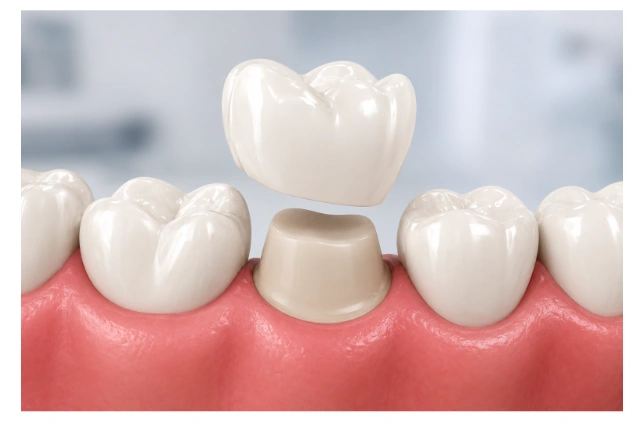
How Cosmetic Crowns Can Restore Damaged Teeth and Improve Your Smile
Teeth that are damaged, stained, worn out or distorted may pose challenges not only in terms of their functioning but also in terms of aesthetics. One of the treatment options for such teeth is to undergo cosmetic crowns which aim at restoring the appearance and functionality of the tooth.
Dental crowns are caps that cover the top part of a tooth in order to provide protection and to improve the look and function of a tooth. Depending on the state of the tooth, a crown may be used to solve various problems such as fillings, cracked teeth, severe discoloration, worn out and decayed teeth.
In case you are looking for cosmetic crown treatment in Kottayam, knowing more about the procedure, advantages and other aspects may be useful.
Table of Contents
- How Cosmetic Crowns Help Restore Damaged Teeth
- Dental Problems That May Benefit From Crowns
- Types of Cosmetic Crowns
- Benefits of Cosmetic Crowns
- How the Cosmetic Crown Procedure Works
- Are Cosmetic Crowns Suitable for Everyone?
- How Long Do Cosmetic Crowns Last?
- Caring for Your Cosmetic Crown
- Cosmetic Crowns vs Other Dental Restorations
- When Should You Consider a Cosmetic Crown?
- Conclusion
- FAQ
1. How Cosmetic Crowns Help Restore Damaged Teeth
Not all teeth that have been significantly damaged will be able to benefit from fillings alone. In instances where a large part of the structure of the tooth has been damaged, crowns can be used to protect and restore the tooth. Crowns can be used to improve several aspects of a damaged tooth, including:
- Tooth shape
- Tooth size
- Tooth strength
- Tooth colour
- Chewing function
- Overall smile appearance
A properly designed crown is created to fit the tooth and complement the surrounding teeth, helping create a natural-looking result.
2. Dental Problems That May Benefit From Crowns
Cosmetic crowns may be considered for teeth affected by several dental problems.
Severely Damaged Teeth
Those teeth that have been badly damaged due to either injury, decay or wear may need extra protection. This is where the crown comes in, to help protect the damaged tooth.
Large Fillings
In this case, if a tooth is filled with a very large filling, then there will be less natural substance left in that tooth. In such a situation, crowns can offer more protection.
Cracked or Fractured Teeth
However, some cracked or fractured teeth can actually be helped by a crown, based on the location and extent of the crack. This will be determined after your dentist examines the tooth.
Discoloured Teeth
Teeth that do not respond to normal whitening can appear discolored. If this is the case, a crown can be used on the affected tooth to enhance its appearance.
Worn Teeth
Teeth that have been severely worn down over time may lose their initial structure and purpose. Crowns can be used in a treatment plan for restoring teeth when necessary.
Root Canal-Treated Teeth
The teeth which have been treated with root canals can be protected with crowns when necessary because some amount of tooth structure has been compromised.
3. Types of Cosmetic Crowns
Crowns can be made from various types of material. The ideal material is the one that will suit the position of the tooth, its function, aesthetics, and general oral health.
All-Ceramic Crowns
These crowns are specifically engineered to have a natural look. The colour and translucence of such crowns can be altered to match that of the adjoining teeth.
Porcelain Crowns
Porcelain fillings may give a good aesthetic appearance, and thus such fillings are used where aesthetics play an important role.
Zirconia Crowns
Zirconia ceramics are very tough ceramics which have the potential to offer good strength and aesthetics together. Zirconia ceramics may be used for both anterior and posterior teeth depending on the situation.
Porcelain-Fused-to-Metal Crowns
These types of crowns are made up of a metal framework that is coated with porcelain. They offer durability with a natural look.
Your dental practitioner can advise you on the best type of crown material depending on your needs.
4. Benefits of Cosmetic Crowns
Cosmetic crowns can offer both restorative and aesthetic benefits when properly planned.
Restores Tooth Shape
A damaged or worn tooth can be reshaped with a custom-made crown to restore a more natural appearance.
Improves Smile Appearance
A crown can improve the appearance of a tooth that is severely discoloured, misshapen, or damaged.
Protects a Weak Tooth
By covering the tooth, a crown can provide additional protection to weakened tooth structure.
Restores Chewing Function
A properly fitted crown can help restore the function of a damaged tooth, allowing you to chew more comfortably.
Provides a Natural Appearance
Modern dental materials can be designed to closely match the appearance of natural teeth.
Supports Long-Term Oral Function
With proper oral hygiene and regular dental care, a well-maintained crown can provide long-lasting restoration.
5. How the Cosmetic Crown Procedure Works
The crown procedure generally involves several stages.
Step 1: Dental Examination
Your dentist first examines the tooth and surrounding tissues. X-rays or other diagnostic procedures may be recommended to assess the condition of the tooth and its supporting structures.
Step 2: Treatment Planning
The dentist determines whether a crown is appropriate and discusses the available materials and expected results with you.
Step 3: Tooth Preparation
The tooth is carefully prepared to create enough space for the crown. The amount of preparation depends on the type of crown and the condition of the tooth.
Step 4: Digital Scan or Impression
A digital scan or traditional impression may be taken to create a crown that fits accurately over the prepared tooth.
Step 5: Temporary Crown
Depending on the treatment process, a temporary crown may be placed while the permanent restoration is being prepared.
Step 6: Permanent Crown Placement
Once the final crown is ready, your dentist checks its fit, shape, colour, and bite. After any necessary adjustments, it is securely cemented or bonded to the tooth.
6. Are Cosmetic Crowns Suitable for Everyone?
Cosmetic crowns are not automatically the best option for every damaged or discoloured tooth. Your dentist may evaluate:
- The amount of healthy tooth structure remaining
- Gum health
- Bite and tooth alignment
- Presence of tooth decay
- Signs of infection
- Root condition
- Overall oral hygiene
- Cosmetic expectations
In some situations, alternatives such as dental bonding, veneers, fillings, orthodontic treatment, or tooth replacement may be more appropriate. A professional dental assessment is therefore important before choosing a crown.
7. How Long Do Cosmetic Crowns Last?
The life span of a crown depends on many aspects, which include the type of material used for fabrication of the crown, oral hygiene, biting force, diet, lifestyle choices, and the condition of the existing tooth.
Proper oral hygiene and dental checkups can contribute to longevity of the crown and the natural tooth beneath it.
It is advisable to avoid using crowned teeth for biting hard materials.
8. Caring for Your Cosmetic Crown
A crowned tooth still requires regular care. The crown itself cannot develop decay, but the natural tooth underneath and around its edges can still be affected by plaque and bacteria.
Follow These Care Tips
- Brush twice daily with fluoride toothpaste.
- Clean between your teeth every day.
- Pay attention to the gumline around the crown.
- Attend regular dental check-ups.
- Avoid biting hard objects.
- Limit excessive sugary foods and drinks.
- Address teeth grinding if recommended by your dentist.
- Contact your dentist if the crown becomes loose, damaged, or uncomfortable.
Good oral hygiene is essential for protecting both your restoration and your natural teeth.
9. Cosmetic Crowns vs Other Dental Restorations
Different dental restorations are designed for different situations.
Treatment |
Common Use |
|---|---|
Your dentist will consider the condition of the tooth and your treatment goals before recommending an option.
10. When Should You Consider a Cosmetic Crown?
You may need to discuss a crown with your dentist if you have a tooth that is:
- Severely damaged
- Cracked or fractured
- Heavily filled
- Significantly worn
- Discoloured and unsuitable for whitening
- Structurally weakened
- Previously treated with a root canal
If you are searching for a cosmetic crown service in Kottayam, a consultation can help determine whether a crown is suitable for your specific dental condition. For patients considering cosmetic crown treatment planning should focus on both aesthetics and the long-term health and function of the tooth.
Conclusion
Aesthetic crowns may prove extremely helpful when it comes to repairing damaged, weak, worn, or heavily discolored teeth. Aside from making sure that your smile looks perfect, an aesthetically designed crown can help restore the shape and function of your teeth as well as give protection to the natural tooth structure.
Nevertheless, crowns may not be appropriate in every situation. An examination must be done to check whether a crown or some other procedure will be most beneficial.
With proper treatment planning, good oral hygiene, and regular dental visits, a cosmetic crown can become an effective part of maintaining a healthy and attractive smile. Choosing the best dentist in Kottayam can help ensure personalised treatment planning and professional guidance for maintaining your restored smile.