Dental Implants for Seniors: Does Age Really Matter?
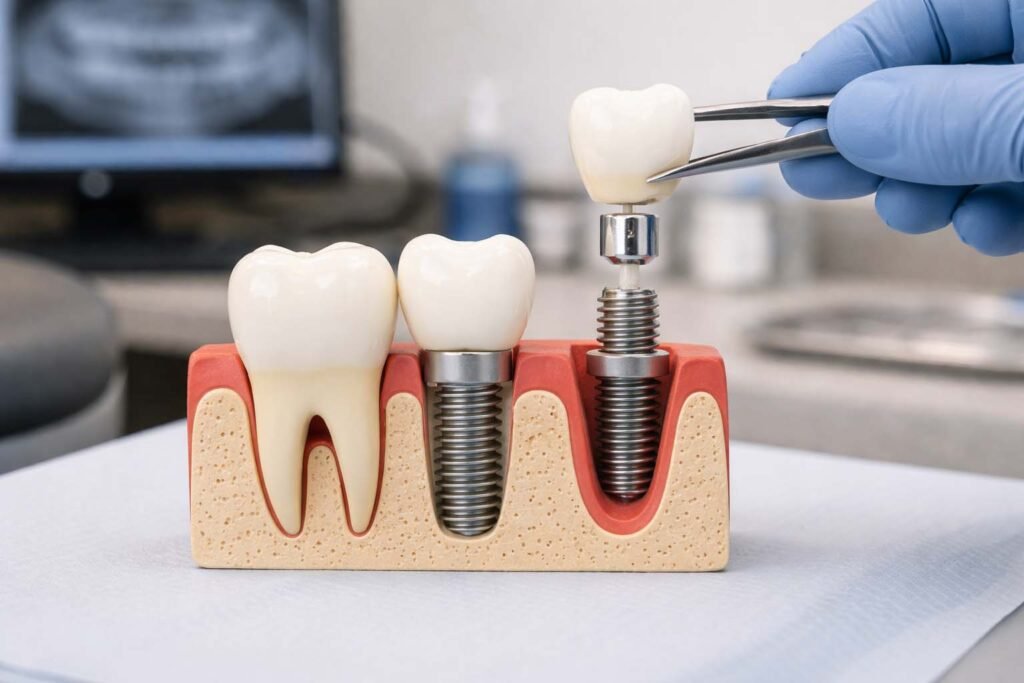
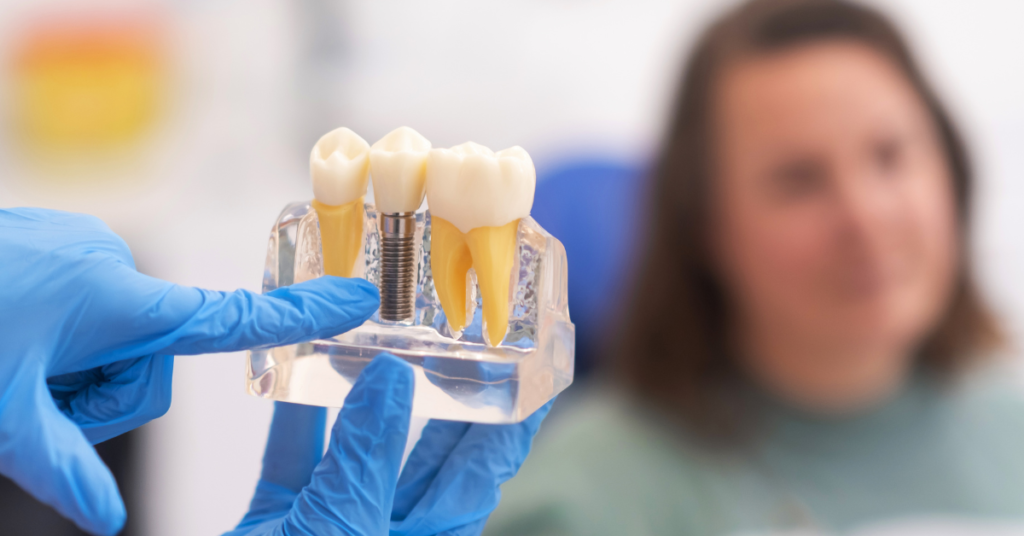
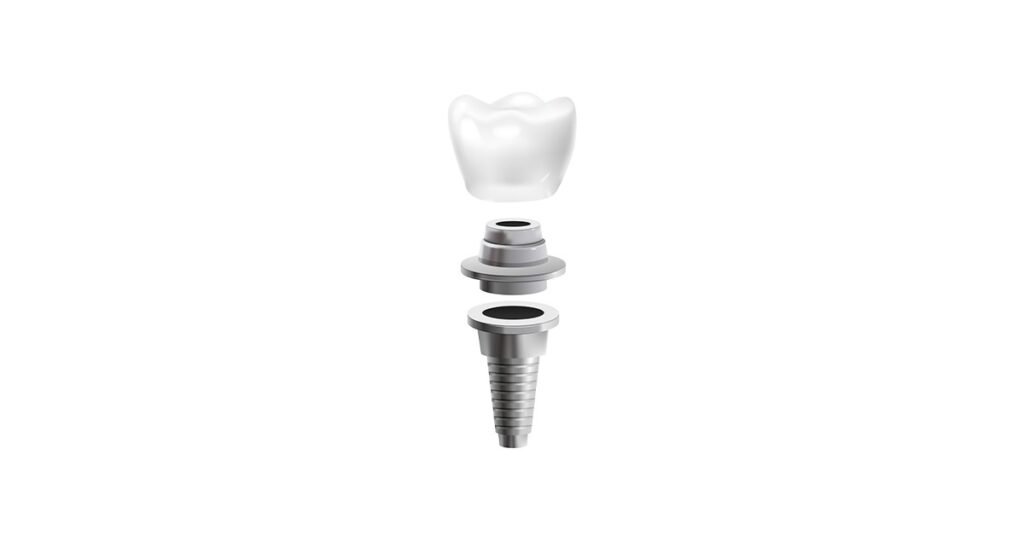
Dental Implants for Seniors: Does Age Really Matter? Older adults frequently experience tooth loss, but contemporary dentistry provides dependable ways to restore both function and appearance. Dental implants are among the best options currently available. However, a lot of seniors are hesitant to think about getting implants because they believe their age may be a barrier. In actuality, dental implant eligibility is rarely determined solely by age. Much more significant are elements like general health, bone density, and dental hygiene. Seniors can successfully get dental implants and improve their quality of life with the right assessment and care. This blog discusses options for people with bone loss, whether dental implants are appropriate for seniors, cost factors, and how to pick the best clinic for treatment. Table of contents What Are Dental Implants? Are Seniors Good Candidates for Dental Implants? Key Factors That Matter More Than Age Dental Implants for Seniors with Bone Loss Benefits of Dental Implants for Seniors Potential Challenges for Older AdultsDental Implants for Seniors Cost How Seniors Can Prepare for Dental Implant Treatment Considerations for Selecting a Dental Implant Clinic for Seniors Why Choose Hiklean for Dental Implants Conclusion FAQs What Are Dental Implants? Dental implants are artificial tooth roots made from titanium that are surgically placed into the jawbone. They provide a strong base for replacement teeth such as crowns, bridges, or implant-supported dentures. Implant Post (titanium screw): A screw is placed into the jawbone that acts as an artificial tooth root Abutment (connector): It is a connector that bridges the implant to the final artificial tooth. Crown (artificial tooth): The part you can see that replaces the visible portion of the tooth Dental implants are renowned for their natural appearance, stability, and longevity. Are Seniors Good Candidates for Dental Implants? Yes, a lot of elderly people make great candidates for dental implants. People in their 60s, 70s, and even 80s successfully undergo implant procedures every year. Dentists usually evaluate factors such as: Jawbone health Gum condition Overall medical history Lifestyle habits like smoking If these conditions are suitable, seniors can benefit from dental implants just as much as younger patients. Key Factors That Matter More Than Age Bone Density : Dental implants require sufficient jawbone support. If bone loss has occurred, additional procedures like bone grafting may help rebuild the bone. Gum Health : Healthy gums are essential for implant success. Gum disease must be treated before the implant procedure. Overall Health : Conditions such as diabetes or osteoporosis may influence healing, but many seniors with these conditions can still receive implants with proper medical guidance. Oral Hygiene : Maintaining good oral hygiene significantly increases the longevity of dental implants. Dental Implants for Seniors with Bone Loss Many seniors experience jawbone loss after years of missing teeth, which can make implant placement more challenging. However, modern dental techniques and professional dental implant services offer effective solutions & advanced procedures. Common options include: Bone Grafting – A procedure that rebuilds lost bone using natural or synthetic graft material. Mini Dental Implants – These are smaller implants that can sometimes be placed even when bone density is lower. All-on-4 Implants – A technique where a full set of teeth is supported by just four implants, often reducing the need for extensive bone grafting. With these advanced treatments, even seniors with bone loss can often receive successful dental implants. Benefits of Dental Implants for Seniors Improved Chewing Ability – Implants function like natural teeth, allowing seniors to eat comfortably Better Speech – Implants eliminate the slipping problems associated with traditional dentures. Long-Term Solution – Dental implants can last many years or even a lifetime with proper care. Bone Preservation – Implants stimulate the jawbone and help prevent further bone loss. Improved Confidence – A restored smile helps seniors feel more confident in social situations. Potential Challenges for Older Adults Although implants are highly successful, some seniors may face certain challenges, such as: Reduced bone density Slower healing time Existing health conditions Medication interactions However, careful planning and modern dental techniques help address these concerns effectively. Dental Implants for Seniors Cost Dental implant costs can vary depending on the type and brand used.The starting price for a basic dental implant is usually ₹35,000 (about $380). Premium options such as Nobel implants range between ₹47,000 and ₹65,000 (around $511 to $707), while Straumann implants are priced between ₹50,000 and ₹65,000 (approximately $543 to $706). The variation in cost reflects differences in quality, technology, and long-term durability offered by each implant system. Typical factors affecting cost include: Number of implants needed Bone grafting procedures Type of crown used Diagnostic scans and consultations How Seniors Can Prepare for Dental Implant Treatment To improve implant success, seniors should: Schedule a comprehensive dental consultation Tell the dentist about all of their medical history. Maintain good oral hygiene habits Stop smoking if possible Follow post-treatment care instructions carefully Proper preparation greatly increases the chances of a successful implant procedure. Considerations for Selecting a Dental Implant Clinic for Seniors When selecting a dental clinic for implant treatment, seniors should consider several important factors. Look for clinics that offer: Experienced implant specialists Advanced dental imaging technology Transparent treatment planning and pricing Positive patient reviews and testimonials Comprehensive aftercare support Why Choose Hiklean for Dental Implants Choosing the right dental clinic plays a crucial role in the success of dental implant treatment. Hiklean is known for providing advanced & best dental clinic in Kottayam, with patient-focused treatment plans. Reasons patients choose Hiklean for dental implants include: Experienced dental professionals Modern diagnostic and implant technology Personalized treatment planning High-quality implant materials Comfortable and hygienic clinical environment Seniors who have dental implants from a trusted clinic are guaranteed safe, accurate, and long-lasting results. Conclusion Age should never be the sole factor preventing seniors from restoring their smiles. With modern dental technology and proper evaluation, dental implants can be a safe and effective solution for older adults. Whether dealing with bone loss or considering the cost of treatment, seniors have
Dental Implants for Seniors: Does Age Really Matter? Read More »