Hi-Klean Dental Clinic

Dental Bonding

 Restoring Smile Harmony with Composite Tooth Bonding: A Modern Cosmetic Approach

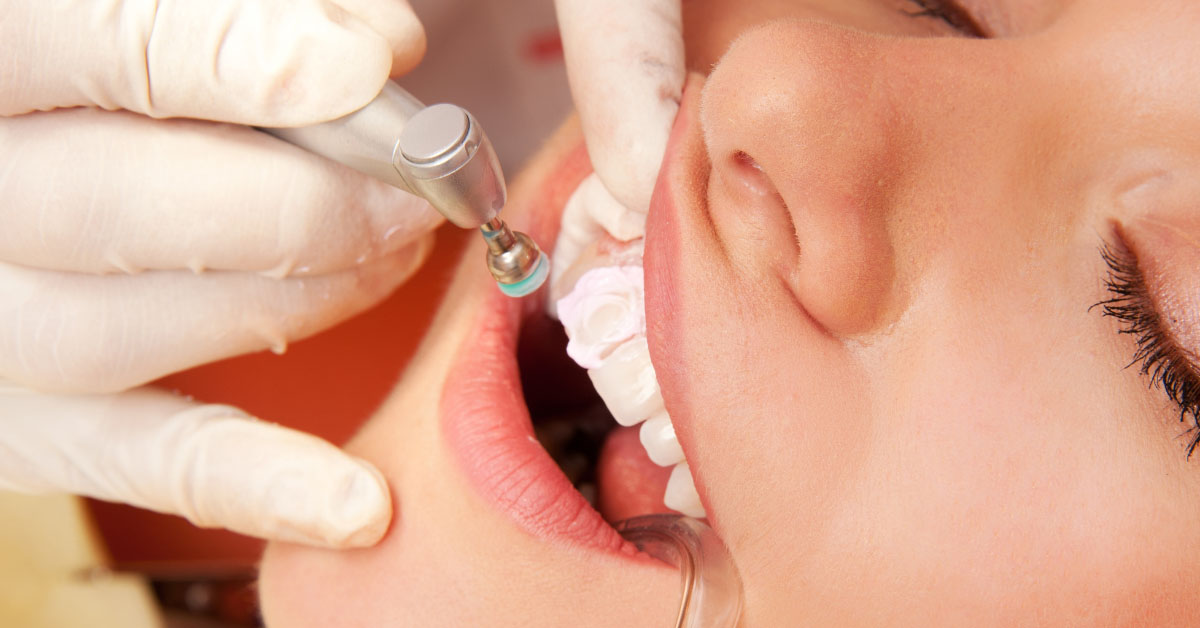
Restoring Smile Harmony with Composite Tooth Bonding: A Modern Cosmetic Approach Cosmetic dentistry today focuses on preserving natural tooth structure while improving smile aesthetics in a precise and minimally invasive way. Among the most widely used procedures for minor dental corrections, composite tooth bonding stands out for its simplicity, speed, and natural-looking results. It is designed to repair small imperfections such as chips, gaps, uneven edges, and surface discoloration without requiring extensive dental preparation or laboratory work. This procedure, unlike the complicated one, is done right in the office and provides instant results. Owing to its conservatism, it is deemed as a perfect starting point for cosmetic smile makeover. Understanding Composite Tooth Bonding Tooth bonding with composite resins entails the process of applying a tooth-colored dental composite material that is carefully shaped and bonded onto the patient’s tooth surface. The composite resins that will be used are durable and have an appearance similar to that of natural teeth in terms of color and texture. The material is then shaped appropriately and is hardened with the use of a special light in order to create a sturdy bond between the two. It is important to note that the main objective of the treatment is to make the teeth look good rather than replacing them Why This Treatment Is Commonly Chosen Many patients choose this option due to its efficiency and ease of application. It does not involve extensive tooth reduction, and in many instances, anesthesia is unnecessary. This therapy is usually suggested to people with minor cosmetic imperfections that need a solution fast. Those interested in getting an immediate cosmetic boost before a special event can find this therapy appealing. Step-by-Step Clinical Process The process starts by carrying out a thorough examination of the patient’s teeth and the problems they are facing regarding aesthetics. After agreeing on the treatment plan, the teeth will be slightly prepared to ensure adequate bonding. The next step involves applying the conditioning agent which enables the resin to bond effectively. The composite material is subsequently applied layer by layer in the required shape. Once it assumes the right shape, the composite filling is cured using a curing light and the filling is attached properly to the tooth. Polishing will then be done to ensure the tooth looks exactly like other teeth around it. The whole process is normally carried out within one dental appointment. Clinical Applications of Tooth Bonding This procedure can be applied in various situations within cosmetic dentistry. The method is effective in correcting chipped or cracked teeth, sealing gaps between teeth, shaping teeth that appear oddly, and treating mildly stained teeth. The method is also applied in situations where there is an exposure of the roots because of receding gums.Due to the method’s versatility, it may be viewed as having multiple uses Durability and Expected Results The lifespan of composite bonding relies on one’s oral hygiene habits. Properly maintained, this procedure will last for several years and retain its natural appearance. But it should be noted that this procedure does not have as much strength as porcelain or natural teeth. Eventually, it can suffer from wear or discoloration, particularly when exposed to bad habits, such as regularly drinking staining liquids or chewing on tough substances. Nonetheless, this procedure has proven itself to be a trustworthy choice. Advantages of Composite Bonding One of the key advantages of this treatment is its minimally invasive nature. It preserves most of the natural tooth structure, making it a conservative option compared to other cosmetic procedures. It also provides immediate results, as the entire transformation is completed in a single appointment. The aesthetic outcome is highly natural due to the ability to match the resin precisely with the surrounding teeth. Additionally, it is cost-effective compared to more advanced restorative options, making it accessible to a wider range of patients, especially for those seeking dental bonding treatment in Kottayam. Limitations to Consider While effective, composite bonding does have certain limitations. It is not suitable for major structural damage or severe misalignment cases. Consulting a trusted dental hospital in Kottayam helps in determining whether this treatment is the right option based on individual dental conditions. The material may be prone to staining over time and may require periodic maintenance or replacement depending on wear. It is also less durable compared to porcelain restorations in high-pressure biting areas. Understanding these limitations helps in setting realistic expectations before treatment. Maintenance and Care Guidelines Proper maintenance plays an important role in extending the lifespan of bonded teeth. Regular brushing and flossing help maintain surface cleanliness and prevent staining.  It is advisable to avoid habits such as nail biting, chewing on hard objects, or excessive consumption of stain-causing foods and beverages. Routine dental check-ups allow early detection of any wear and help maintain long-term results. With good oral care, bonded restorations can maintain their appearance and function effectively over time, particularly when supported by Hiklean dental bonding service in Kottayam. Conclusion Composite tooth bonding is a practical and conservative cosmetic dental procedure that enhances smile aesthetics by correcting minor imperfections with precision and efficiency. Its ability to deliver immediate results while preserving natural tooth structure makes it a widely preferred choice in modern cosmetic dentistry. For individuals seeking professional evaluation and treatment, dental bonding in Kottayam offers reliable cosmetic solutions tailored to individual needs. Patients can consult a trusted clinic for safe and effective smile enhancement procedures. Refine your smile with confidence today! Contact Now Get in touch with us Frequently Asked Questions 1. What is composite tooth bonding used for? It is used to correct minor cosmetic issues such as chips, gaps, uneven edges, and mild discoloration of teeth. 2. Is the bonding procedure painful? No, the procedure is generally painless and usually does not require anesthesia unless it is used for decay treatment. 3. How long does dental bonding last? With proper care, composite bonding can last several years, depending on oral habits and maintenance. 4. Can bonded teeth look natural?

 Restoring Smile Harmony with Composite Tooth Bonding: A Modern Cosmetic Approach Read More »

How Dental Bonding Can Help Fix Chipped, Cracked, or Discolored Teeth

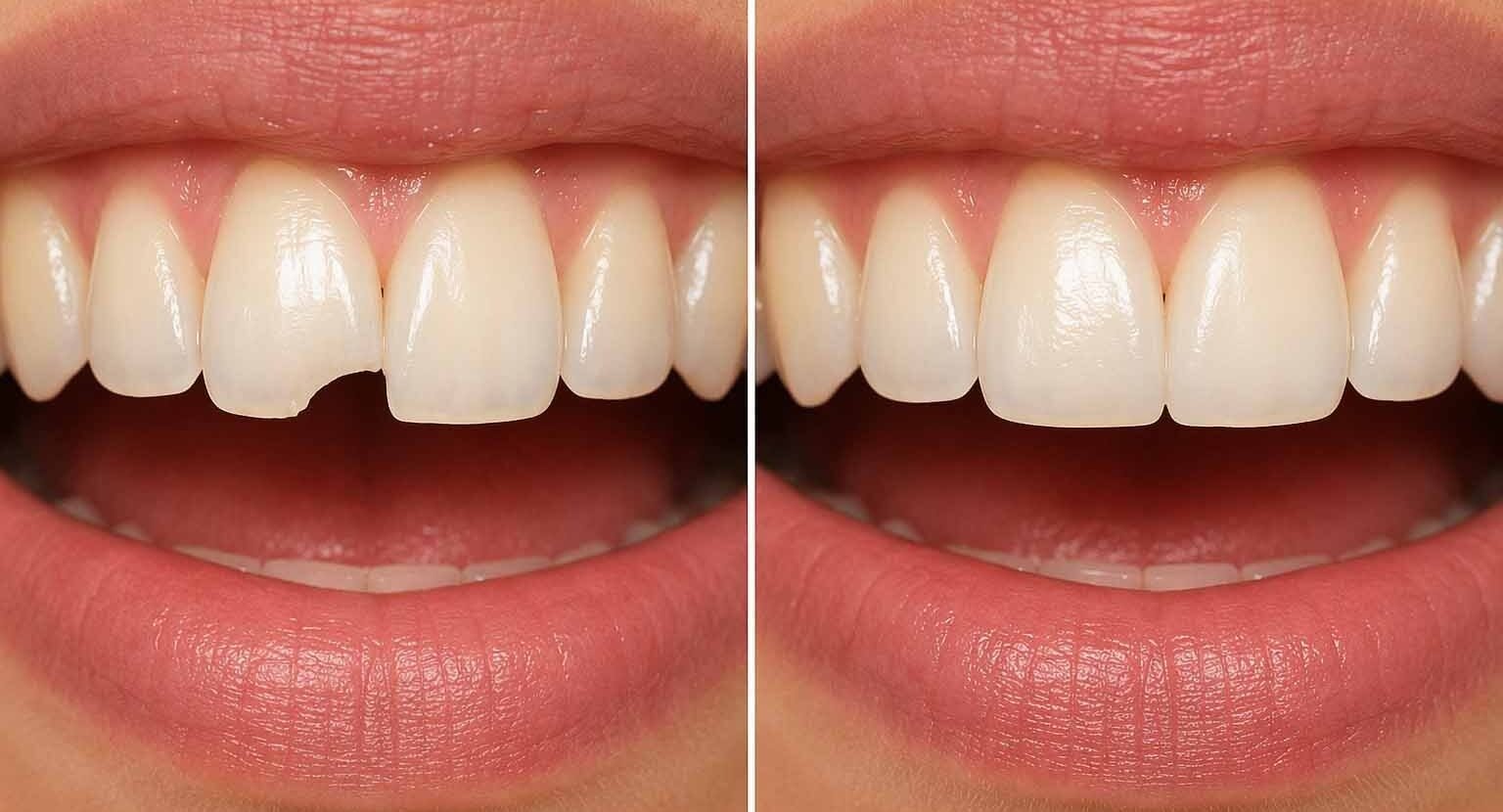
How Dental Bonding Can Help Fix Chipped, Cracked, or Discolored Teeth Introduction Say prevention is better than the cure, they say. You never know when you might bite something too hard or fall, or just grind your teeth down with age, and they can always be damaged over time. Beyond the smile, chips, bruises, and discolorations also ruin self-esteem. Fortunately,dental bonding in Kottayam provides swift and easy solutions, as well as monetary convenience for a majority of common dental problems. Table of contents What is Dental Bonding? How Dental Bonding Can Help Dental Bonding’s Benefits The Dental Bonding Procedure Is Dental Bonding Right for You Conclusion FAQ What is Dental Bonding? A tooth-colored resin substance is put to a tooth’s surface, precisely molded, and solidified with a specialized light in a cosmetic technique known as dental bonding. The outcome? a flawless repair that complements your teeth in a natural way. It’s among the most adaptable dental procedures accessible today. How Dental Bonding Can Help Here are some of the ways dental bonding treatment in Kottayam can transform your smile: 1.Repairing Damaged or Chipped Teeth A chipped or fractured tooth can significantly compromise the health and cosmetic aspects of your smile. Dental bonding restores the tooth to its natural strength and shape by filling in these defects. The process generally takes little time and is often completed in one visit. 2. Restoring Tooth Discoloration Coffee, tea, smoking, and even heredity can cause discolouration of the teeth. While certain stains can be removed with whitening procedures, discolorations that are difficult to remove with bleaching can be covered with dental bonding. For a perfect appearance, the resin material is color-matched to your actual teeth. 3.Filling up the Space Between Teeth Dental bonding service in Kottayam can fill in small spaces between your teeth if you’re self-conscious about them and don’t want to use braces or aligners. For a more consistent look, the resin is placed and molded with care. 4.Changing the Shape of the Tooth Teeth can occasionally be overly tiny or naturally uneven in relation to the rest of your smile. These teeth can be reshaped via dental bonding, improving balance and symmetry. Dental Bonding’s Benefits Fast and Easy: Most treatments take 30 to 60 minutes per tooth. Non-Invasive: Bonding typically requires less enamel removal compared to crowns or veneers. Affordable: When comparing to veneers and other cosmetic procedures, dental bonding is cost-effective. Natural-Looking: The resin material is designed to mimic the natural texture and look of your teeth. The Dental Bonding Procedure During the consultation, your dentist will look at your teeth and talk about your objectives. There isn’t much need for preparation due to the fact that anesthesia is needed only when this is for cavity bonding. Application: The tooth is covered with resin, which is then shaped into the required shape. Curing: The resin is hardened by a specific light, which firmly bonds it to your tooth. The bonded tooth is polished to achieve a smooth and organic appearance. Is Dental Bonding Right for You? Dental bonding is ideal for minor cosmetic issues. Keep in mind that natural enamel or other stronger dental materials (such as porcelain) are more tear resistant than resin. When well taken care of, bonded teeth can last five to ten years. To maintain the appearance of your smile, avoid chewing with hard items, clean your teeth well, and visit your dentist consistently. BE PROUD OF YOUR SMILE Book Now Frequently Asked Questions Is dental bonding pain-free? The procedure is minimally invasive and pain-free. Dental bonding seldom requires anesthesia unless the bonded area covers a cavity. How long does dental bonding last? Dental bonding can last 3 to 10 years with proper care. The longevity of dental bonding depends on oral hygiene, diet, and where the bonded tooth is located. How long does the procedure take? A dental bonding procedure usually takes about 30 minutes to 60 minutes per tooth.

How Dental Bonding Can Help Fix Chipped, Cracked, or Discolored Teeth Read More »

Scroll to Top